Uthmeier Expands AI Probe to USF Murders
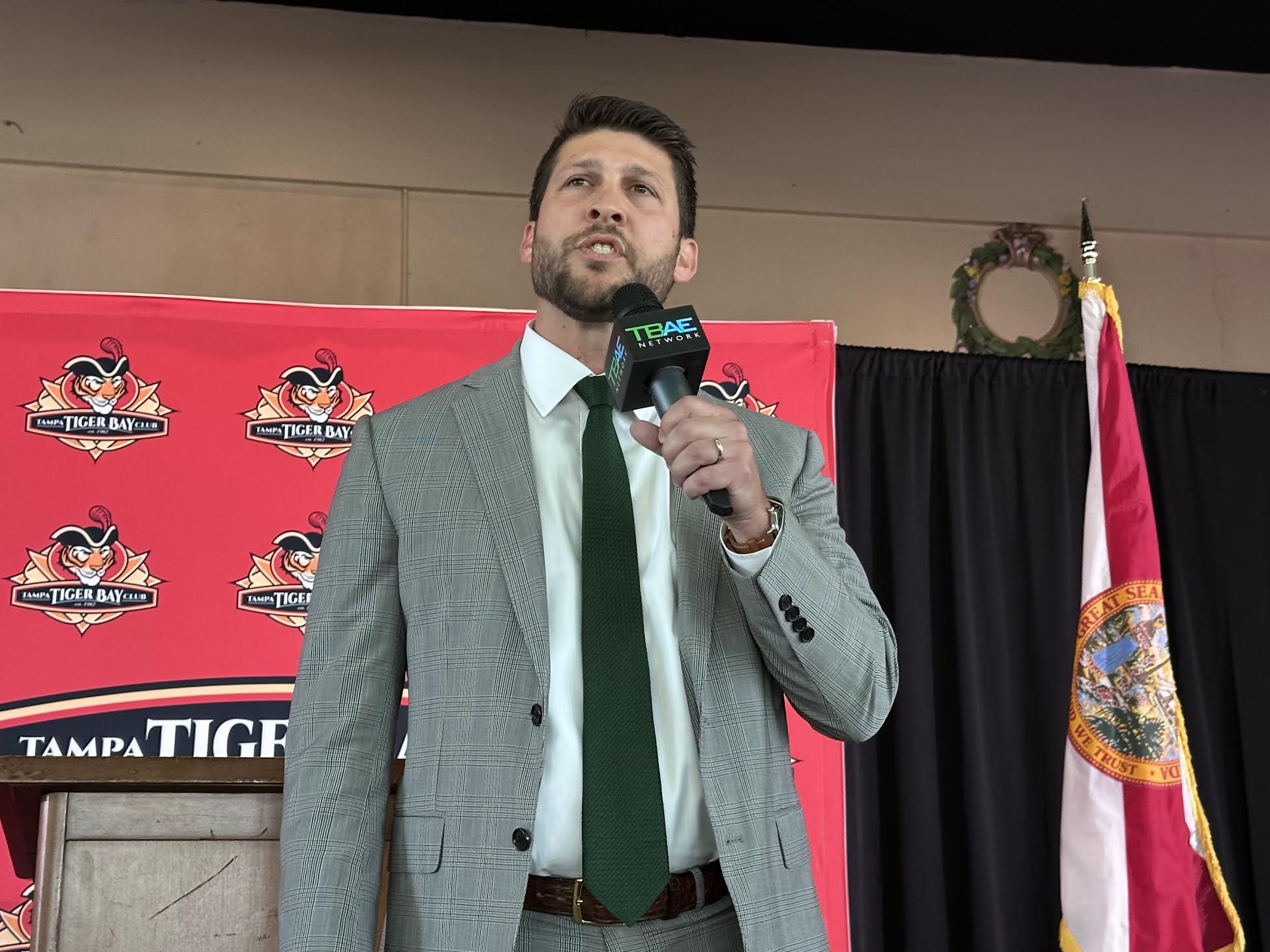
Florida Attorney General James Uthmeier announced he is expanding his criminal investigation into OpenAI to include the murders of two University of South Florida doctoral students, according to reporting by Florida Phoenix and NewsFromTheStates. Uthmeier posted on social media, "We are expanding our criminal investigation into OpenAI to include the USF murders after learning the primary suspect used ChatGPT," per Florida Phoenix. Court documents filed in the case of defendant Hisham Abugharbieh, who faces two counts of first-degree murder, include exchanges between the suspect and the AI chatbot ChatGPT that prosecutors say contain murder-related queries, the reporting states. Florida Phoenix also reports that Uthmeier subpoenaed OpenAI last week in a separate probe connected to the Florida State University mass shooting. The developments represent an expansion of a state criminal inquiry that is testing whether and how generative AI companies can be investigated in relation to violent crime.
What happened
Florida Attorney General James Uthmeier announced on social media that he is expanding his criminal investigation into OpenAI to include the murders of two University of South Florida doctoral students, Zimal Limon and Nahida Bristy, as reported by Florida Phoenix and republished by NewsFromTheStates. The announcement follows Tampa prosecutors' disclosures that court filings in the case of defendant Hisham Abugharbieh include exchanges between the accused and the AI chatbot ChatGPT that contain questions about placing human remains in a dumpster and other murder-related queries, according to Florida Phoenix. Florida Phoenix also reports that Uthmeier subpoenaed OpenAI last week in a separate investigation connected to the Florida State University mass shooting.
Technical details
The public reporting identifies ChatGPT as the chatbot queried by the suspect; neither source provides technical logs or OpenAI-origin metadata in the articles reviewed. The court documents cited by Florida Phoenix are described as containing multiple messages spanning several days, including questions about putting a human in a trash bag, whether a person could survive a "sniper bullet to the head," altering a vehicle identification number, whether cars are checked at a state park, "will my neighbors hear my gun," and "what does missing endangered adult mean."
Context and significance
Reporting frames this case as part of a broader, unprecedented set of legal actions in which a state attorney general is exploring criminal accountability linked to generative AI outputs. If prosecutors pursue evidence from model providers, the proceedings could clarify evidentiary standards for attributing human actions to interactions with AI, though the articles do not document any legal rulings or final determinations.
What to watch
Observers should follow whether court orders compel OpenAI to produce server logs or metadata, whether defense filings contest the authenticity or interpretation of chat exchanges, and whether other jurisdictions pursue similar subpoenas. Florida Phoenix and related local filings will be primary sources for developments.
Editorial analysis
Industry observers and legal scholars have flagged that collecting and validating AI-chat logs requires forensic rigor, including custody chains and provider cooperation. Companies facing production requests routinely must reconcile user privacy, data-retention policies, and compliance with subpoenas; these reporting details suggest similar procedural demands will arise if prosecutors press for server-side records.
For practitioners, these developments highlight that law enforcement requests for AI-provider data are becoming operational realities. Organizations providing generative models can expect increased legal scrutiny and should monitor lawful-process trends, auditability expectations, and data-retention practices emerging from high-profile cases.
Key Points
- 1Florida AG James Uthmeier expanded a criminal probe of OpenAI to include the USF murders after reported ChatGPT exchanges in court filings.
- 2Court documents reported by Florida Phoenix describe suspect queries to ChatGPT about disposal of remains and other violent acts, prompting subpoena activity.
- 3Editorial analysis: Legal actions forcing provider data production will test forensic standards, privacy tradeoffs, and auditability practices for generative-AI services.
Scoring Rationale
This is a notable legal development that could set precedents for law enforcement access to generative-AI provider records and evidentiary standards. The story matters to practitioners handling compliance, data retention, and model auditability.
Sources
Public references used for this report.
Practice with real FinTech & Trading data
90 SQL & Python problems · 15 industry datasets
250 free problems · No credit card
See all FinTech & Trading problems