Analysisregime changemilitary strategymiddle eastforeign policy
U.S., Israel, Iran Misjudge Enemies' Resilience
5.6
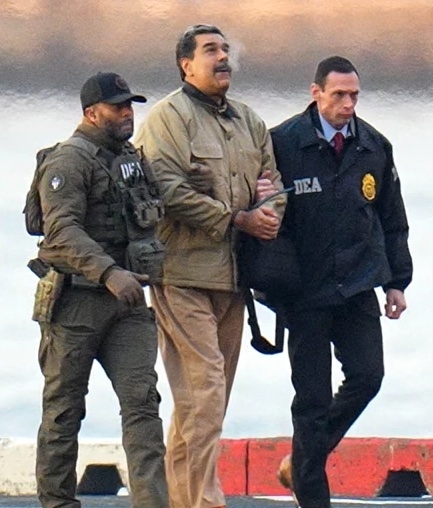
U.S., Israeli, and Iranian leaderships misread key developments in early January, shaping the trajectory of the 2026 war, the article argues. It cites U.S. extrication of Venezuela's Nicolás Maduro, Trump's Feb. 28 and Mar. 23 statements, Iran's retention of roughly 440 kilograms of 60% enriched uranium, and some 2,500 missile and drone strikes.
Key Points
- 1Identify tactical errors: U.S. and Israel misread January uprisings; Iran misjudged neighbors' reactions
- 2Explain resilience: Iran retained control, kept ~440 kg of 60% 60%-enriched uranium and steady strikes
- 3Implication: leadership decapitation and air campaigns alone unlikely to achieve regime change without internal cohesion
Scoring Rationale
Current analytical piece with moderate novelty and broad geopolitical scope. Credible sourcing and timely reporting raise the score, but limited direct relevance to AI/ML practitioners and primarily interpretive analysis constrain impact.
Practice interview problems based on real data
1,625 SQL & Python problems across 15 industry datasets — the exact type of data you work with.
Try 250 free problems