U.S. clears H200 chip sales to 10 Chinese firms
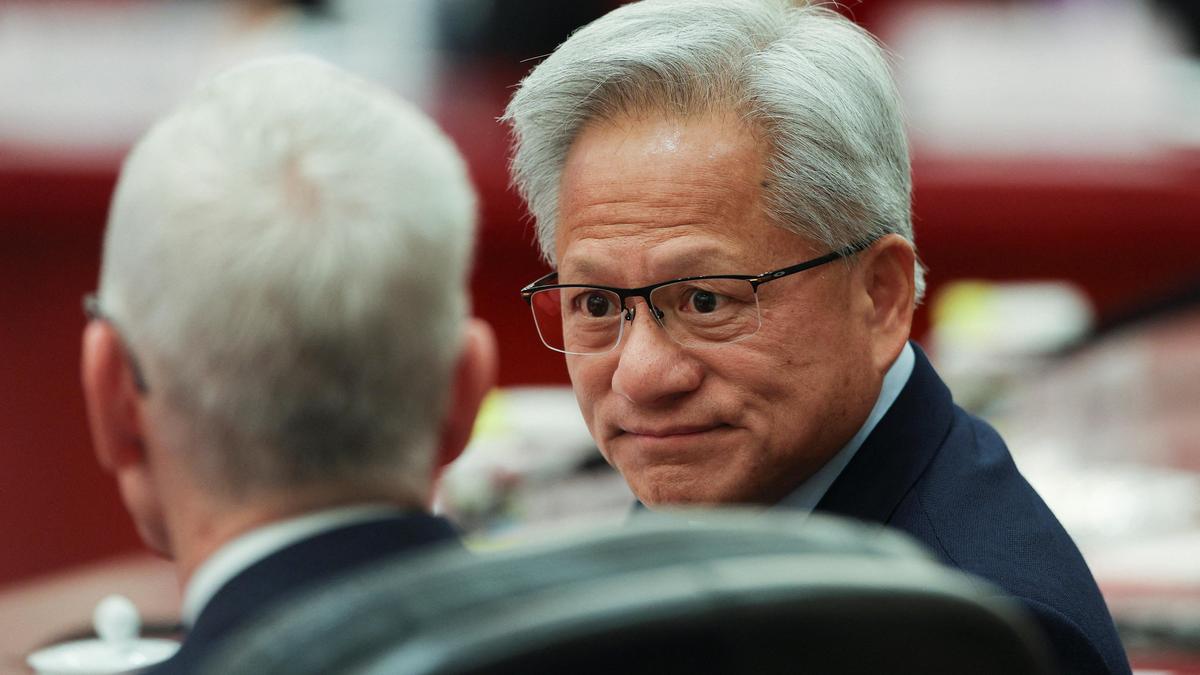
Reuters reports that the U.S. Commerce Department has approved around 10 Chinese companies to purchase Nvidia's H200 AI chip, but Reuters says no deliveries have occurred so far, citing "three people familiar with the matter." Reuters names approved buyers as including Alibaba, Tencent and ByteDance, and identifies Lenovo and Foxconn as approved distributors, according to sources. Reuters also reports that Nvidia CEO Jensen Huang joined a White House delegation to Beijing after an invitation, and that President Donald Trump met Huang in Alaska en route to a summit with Chinese President Xi Jinping, according to Reuters. Reuters notes Beijing recently tightened supply-chain rules. This is a live example of how export controls and bilateral politics are constraining cross-border AI hardware flows, leaving commercial approvals unable to translate immediately into deliveries.
What happened
Reuters reports the U.S. Commerce Department has approved around 10 Chinese companies to buy Nvidia's H200 accelerator, but "not a single delivery has been made so far," Reuters says, citing "three people familiar with the matter." Reuters names approved Chinese firms as including Alibaba, Tencent and ByteDance, and reports Lenovo and Foxconn have U.S. approval to act as distributors, according to sources. Reuters also reports that Nvidia CEO Jensen Huang joined a White House delegation to Beijing after an invitation, and that President Donald Trump picked up Huang in Alaska en route to a summit with Chinese President Xi Jinping, Reuters says. Reuters further reports Beijing has introduced tighter supply-chain rules that increase scrutiny of foreign technology dependencies.
Technical details
Reuters notes the device in question is Nvidia's H200, described as the company's second-most-powerful AI chip. Reuters reports historical market context that Nvidia once commanded about 95% of China's advanced chip market before tougher export curbs, and that China previously accounted for about 13% of Nvidia's revenue; Reuters also reports Jensen Huang has previously estimated China's AI market could be worth $50 billion this year.
Industry context
Editorial analysis: observers tracking hardware supply chains should treat this episode as an instance where export approvals do not automatically equal shipments. Companies operating at the intersection of geopolitics and AI infrastructure face transactional friction from export licensing processes, secondary regulatory checks, and recipient-country rules. Industry-pattern observations: similar cases in past export-control episodes show logistic, compliance, and local regulatory hurdles often delay or block deliveries even after initial licensing approvals.
What to watch
Editorial analysis: market participants will monitor:
- •whether Reuters or official filings report actual H200 deliveries and timing
- •any public statements from the U.S. Commerce Department or the named Chinese firms clarifying scope of approvals
- •how Beijing's new supply-chain rules are implemented in practice and whether they create additional barriers to cross-border hardware transfers
Key Points
- 1U.S. export approvals do not guarantee shipments, Reuters reports no H200 deliveries despite approvals.
- 2Major Chinese cloud and internet firms are among the approved buyers, raising infrastructure implications for AI capacity in China.
- 3Editorial analysis: geopolitics, compliance complexity, and recipient-country rules often delay hardware flows even after licenses are granted.
Scoring Rationale
The story affects global AI infrastructure availability and supply-chain risk for practitioners building large-scale models. It is a notable, near-term development in chip geopolitics with implications for deployment and procurement.
Sources
Public references used for this report.
Practice interview problems based on real data
1,625 SQL & Python problems across 15 industry datasets — the exact type of data you work with.
Try 250 free problems