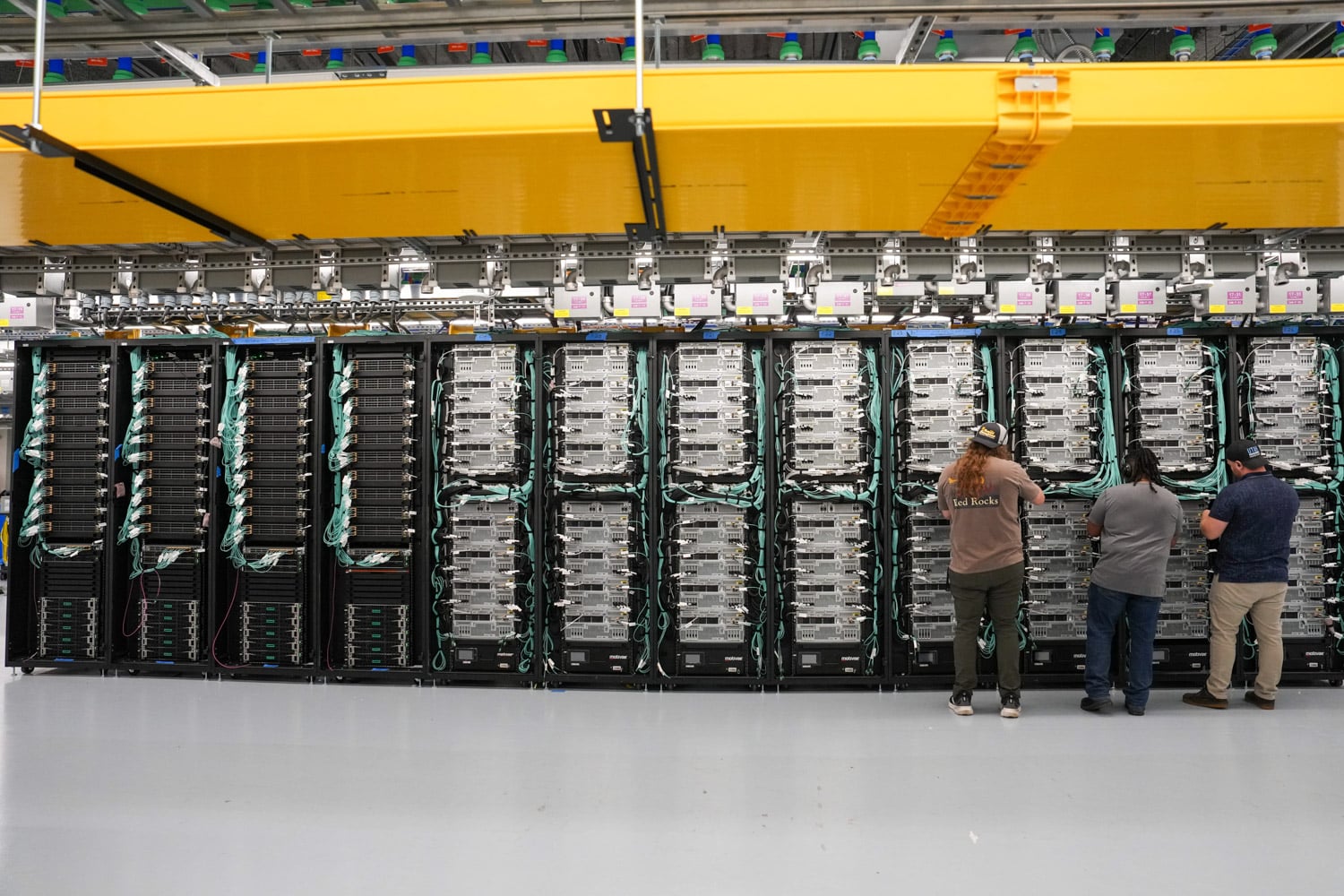
University reactor generates electricity to power AI
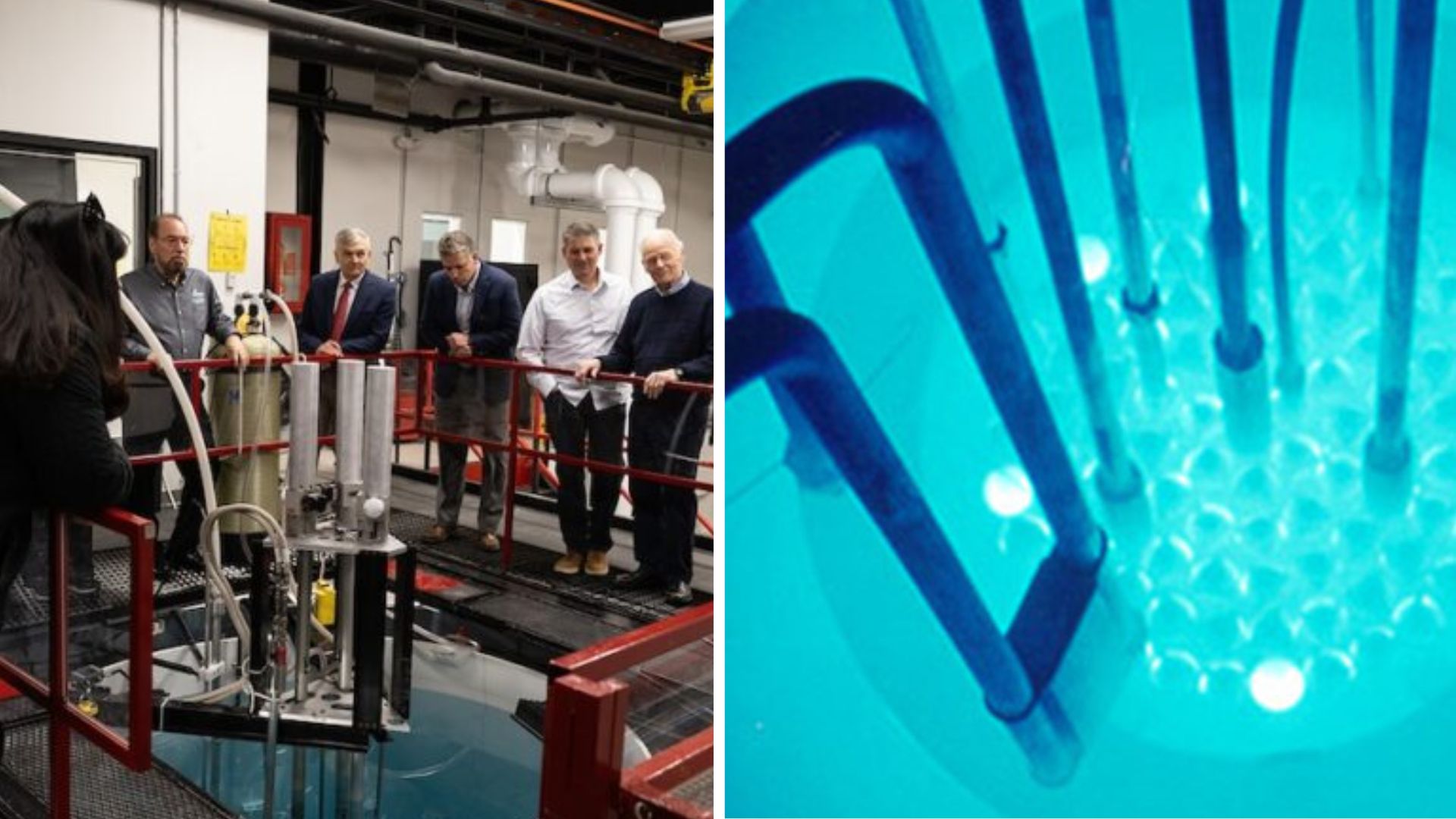
The University of Utah's TRIGA research reactor will produce electricity for the first time and use that power to run a high-performance GPU node, BusinessWire reports. The demonstration is a collaboration between the university and Elemental Nuclear Energy Corp.; BusinessWire and World Nuclear News say the experiment involves students and faculty from about twelve universities. The system uses a compact, cold-helium-based, reverse Brayton Cycle power generator developed by Elemental; World Nuclear News and Interesting Engineering report technical targets of about 50 kW thermal input, roughly 13 kW turbine output, and net electrical generation of 2-3 kW. Reactor manager Dr. Ted Goodell is quoted as saying, "This will be, to our knowledge, the first time any university reactor has produced electricity, not just our own," and Elemental founder Mike Luther is quoted in BusinessWire on the demonstration purpose.
What happened
The University of Utah will use its on-campus TRIGA research reactor to generate electricity and power a small AI data node in a proof-of-concept demonstration, BusinessWire and World Nuclear News report. The effort pairs the university's John and Marcia Price College of Engineering Nuclear Engineering Program with Elemental Nuclear Energy Corp., which supplies a compact, cold-helium-based, reverse Brayton Cycle power generator, World Nuclear News and Interesting Engineering report. According to World Nuclear News, the experiment targets about 50 kW of thermal input from reactor water, roughly 13 kW turbine output, and net electrical generation of about 2-3 kW; BusinessWire says the electricity will run a high-performance GPU node executing a live AI workload. BusinessWire and Interesting Engineering both quote Elemental founder Mike Luther: "The energy produced through nuclear fission can ultimately power the computational systems driving artificial intelligence." Reactor manager Dr. Ted Goodell is quoted as saying, "This will be, to our knowledge, the first time any university reactor has produced electricity, not just our own."
Technical details
World Nuclear News and Interesting Engineering describe the conversion hardware as a compact Brayton Cycle system that uses helium as the working fluid rather than steam. Reported operation follows a "cold" or reverse Brayton cycle: helium is compressed, heated via contact with reactor pool water, expanded through a turbine-generator, then cooled via a cryogenic heat exchanger. Elemental's design is presented in sources as an alternative to large steam turbines, intended to reduce footprint and pair with low-temperature microreactor platforms. The demonstration's electrical output is intentionally modest - 2-3 kW - but the sources frame it as proof-of-concept for coupling nuclear heat to compute.
Industry context
Implications for researchers and operators
What to watch
For practitioners
Watch reported conversion efficiencies and continuous-run durations when the test is run, and any published metrics on turbine output stability under variable compute load. Also watch for follow-up technical reports from the University of Utah or Elemental that document integration details, safety case summaries, and measured end-to-end efficiency. Sources so far describe the work as a summer demonstration and do not provide a commercial deployment timetable.
Bottom line
Editorial analysis
Companies and academic groups exploring on-site power for compute-heavy workloads are responding to rising electricity demand from AI training and inference. Observers have noted that large hyperscale data centers are already considering a range of on-site generation options, and industry reporting places this demonstration within broader interest in microreactors and alternative generation technologies for data centers. For practitioners, the project is primarily a systems-integration experiment, showing how low-temperature reactor heat can be routed into compact Brayton-cycle turbines and then into compute loads.
For researchers building energy-aware AI infrastructure, the demonstration highlights engineering questions that matter at scale: thermal coupling efficiency between reactor systems and Brayton converters, the control and safety interfaces required to attach compute loads to research reactors, and the economics of small-scale electrical output versus data-center demand. These are generic, cross-organization concerns observed in similar demonstrations and not claims about the participants' internal planning.
The demonstration is significant as an early engineering test linking nuclear thermal energy to modern AI hardware. It does not by itself change the economics of hyperscale data centers, but it provides a concrete data point for teams evaluating on-site low-carbon generation technologies.
Key Points
- 1University of Utah and Elemental will test coupling reactor heat to compute, targeting about 2-3 kW net electrical output for a GPU node.
- 2The demonstration uses a compact, cold-helium reverse Brayton Cycle, showing a technical pathway distinct from steam-turbine systems.
- 3Industry observers treating microreactor demos as system-integration experiments will watch run-duration, efficiency, and safety-integration metrics next.
Scoring Rationale
A notable infrastructure proof-of-concept linking nuclear microreactor technology to AI compute. The electrical scale is small (2-3 kW), so near-term practitioner impact is limited, but the demonstration advances technical integration questions relevant to data-center energy planning.
Sources
Public references used for this report.
Practice interview problems based on real data
1,625 SQL & Python problems across 15 industry datasets — the exact type of data you work with.
Try 250 free problems