Ultrasound Modulates Nucleus Accumbens Reward Learning
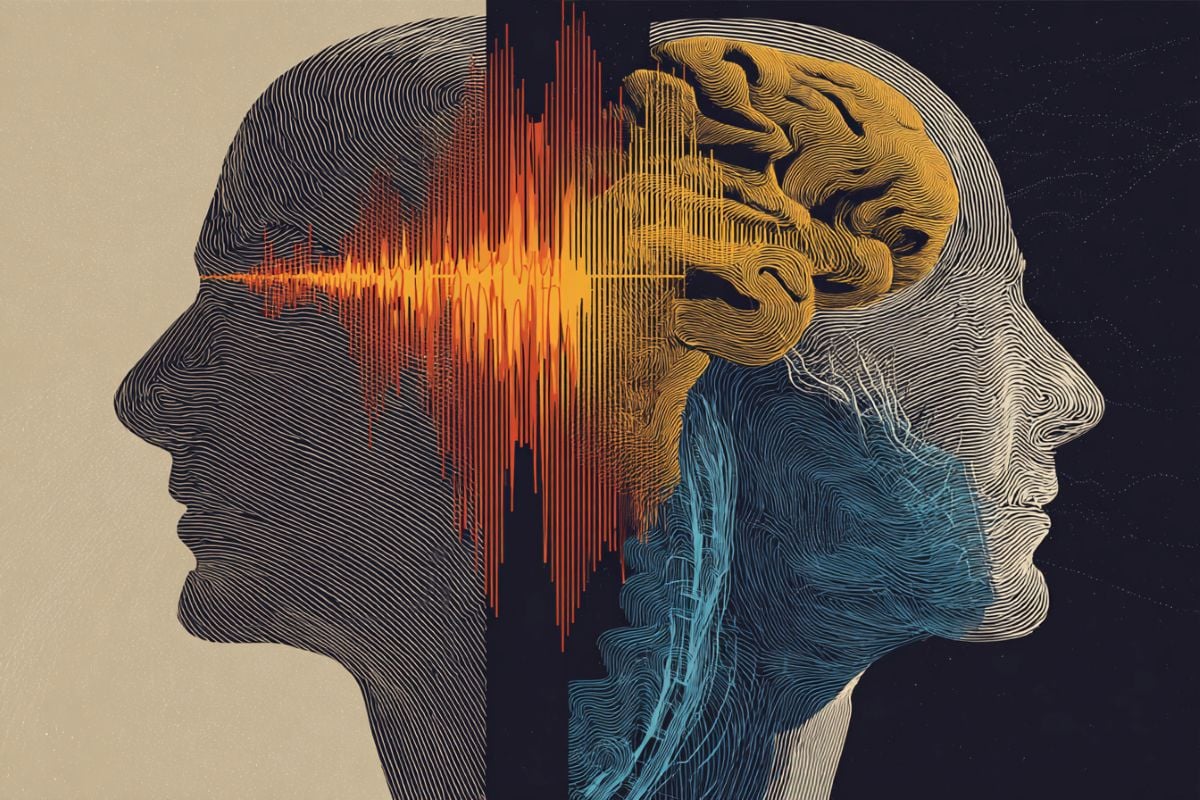
Researchers at the University of Plymouth report in Nature Communications that brief (≈1 minute) transcranial ultrasound stimulation (TUS) targeted to the nucleus accumbens altered reward learning in 26 healthy adults. About ten minutes after stimulation participants showed faster learning from positive feedback, increased win‑stay repetition, and BOLD changes similar to aspects of deep brain stimulation, suggesting potential non‑invasive therapeutic applications.
Key Points
- 1Demonstrate TUS modulates nucleus accumbens, altering reward learning in 26 healthy adults.
- 2Shows non-invasive modulation replicates aspects of DBS, engaging deep reward circuits relevant to motivation.
- 3Suggests potential therapeutic alternative for addiction, depression, and eating disorders without surgical implants.
Scoring Rationale
Strong human demonstration of targeted non-invasive neuromodulation; limited by small sample size and preliminary clinical translation.
Sources
Public references used for this report.
Practice interview problems based on real data
1,625 SQL & Python problems across 15 industry datasets — the exact type of data you work with.
Try 250 free problems