UK Consumers Favor Agentic Shopping, Object to Sponsored AI
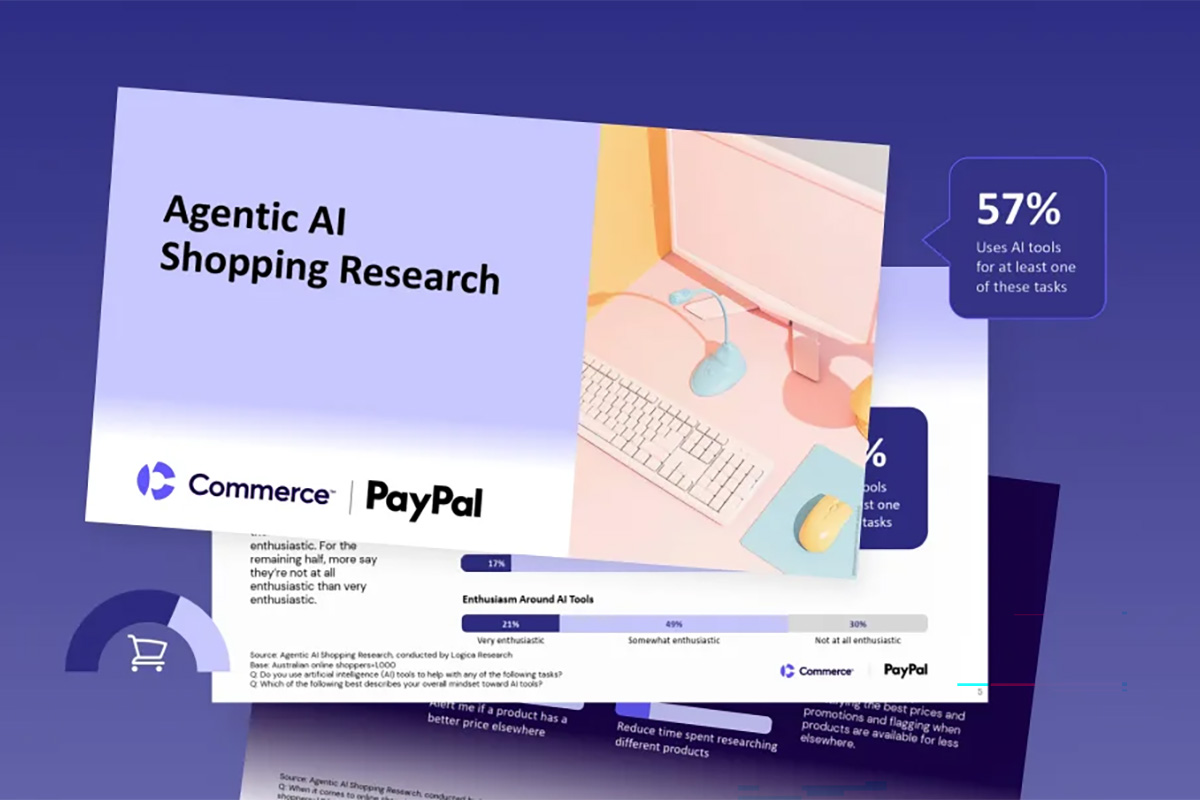
A vendor-commissioned study by Commerce (Nasdaq: CMRC, parent company of BigCommerce) and PayPal, conducted by Logica Research, surveyed 1,000 UK online shoppers and found 64% are interested in trying agentic AI shopping assistants, while just 21% currently use AI for shopping. Among non-users, 62% plan to try AI tools within the next year. The study found 46% of UK shoppers believe brands should not be able to pay for preference from AI tools, and 83% expect AI shopping tools to offer payment security equal to or better than existing online banking. Top concerns: AI purchasing without approval (43%), bank security breaches (39%), and wrong product selection (32%). Coverage appeared in Retail Bulletin and Retail Times. The same research includes a US and Australia cohort (2,000 more respondents); UK-specific figures are reported here.
What happened
A vendor-commissioned study from Commerce (Nasdaq: CMRC, parent of BigCommerce) and PayPal, conducted by Logica Research in March-April 2026, surveyed 1,000 UK online shoppers on their attitudes toward agentic shopping tools. The study found 64% are interested in trying agentic AI assistants, but just 21% currently use AI for shopping. Of non-users, 62% say they plan to try AI shopping tools within the next year and 70% want AI help in future shopping. The full survey also covered 2,000 respondents across the US and Australia; UK figures are highlighted here. Retail Bulletin and Retail Times covered the release in UK trade press (June 23, 2026).
Key findings
46% of UK shoppers believe brands and retailers should not be able to pay to gain preference from AI tools, and 55% say sponsored content must be clearly identifiable. Top barriers to adoption: AI purchasing without the shopper's approval (43%), bank account security breaches (39%), purchasing the wrong product (32%), and privacy violations (29%). 83% expect AI shopping tools to offer payment security equal to or better than existing online banking. Trust is distributed across tech companies (Google, Apple), payment providers (PayPal), marketplaces (Amazon, Etsy), and traditional payment networks (Visa, Mastercard).
Editorial analysis - technical context
Agentic shopping tools research, compare, and execute purchases on a user's behalf. Building reliable agentic assistants typically requires integrated access to merchant catalogs, real-time pricing, promotion feeds, identity and payment flows, and robust intent confirmation logic. Those capabilities raise engineering trade-offs around latency, data synchronization, and secure credential handling.
Industry context
The survey numbers point to a gap between consumer interest and current adoption. Companies building commerce experiences commonly encounter trust and transparency as the primary barriers to agentic features. Concerns about sponsored results and unsanctioned purchases tend to push product teams toward explicit provenance and consent controls, and toward payment flows that visibly authenticate user approval. For payments providers and platform operators, the expectation that AI payment security be comparable to online banking elevates compliance and fraud-detection requirements for any agentic workflow.
What to watch
For practitioners, monitor four indicators that will determine real-world uptake. First, product experiments that surface provenance metadata and sponsorship disclosures for AI recommendations. Second, adoption of explicit consent UX patterns that log and confirm purchase intent before checkout. Third, integrations between AI assistants and payment rails that preserve bank-grade security. Fourth, merchant participation in APIs that expose promotions and pricing data in machine-readable form, as these feeds affect the AI's ability to identify best prices and apply discounts.
Bottom line for practitioners
This is a vendor-commissioned study from two companies that would benefit from agentic commerce adoption. The survey data quantifies consumer interest and stated barriers, but figures should be read as vendor-reported rather than independently benchmarked. The core pattern, substantial consumer interest paired with strong demands for control and payment security, aligns with comparable industry surveys from independent researchers.
Key Points
- 1Strong interest but limited current use: 64% interested vs 21% currently using, indicating a market for well-designed agentic assistants.
- 2Trust constraint: 46% object to sponsored AI results, implying provenance and disclosure are central to adoption.
- 3Payments and control are decisive: respondents expect payment security equal to online banking, so payment integration and consent UX are critical.
Scoring Rationale
A vendor-commissioned survey (Commerce/PayPal) with consistent results across UK retail trade press. The data quantifies consumer interest and trust barriers in agentic commerce, which is relevant to practitioners, but the vendor framing and PR sourcing limit its weight as independent evidence of market dynamics.
Sources
Public references used for this report.
Practice with real Payments data
90 SQL & Python problems · 15 industry datasets
250 free problems · No credit card
See all Payments problems