UCF Graduation Speaker Booed After Praising AI
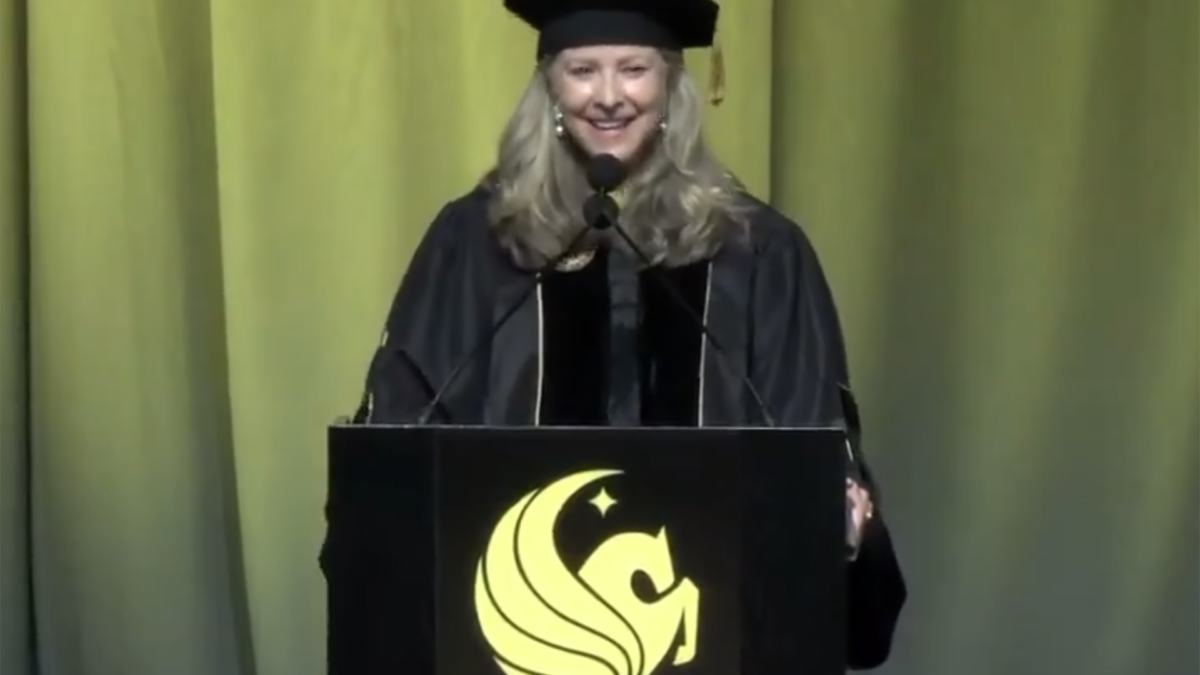
According to Gizmodo, Kotaku, the Independent, and 404Media, University of Central Florida commencement speaker Gloria Caulfield, vice president of strategic alliances at Tavistock Group, was met with boos after saying, "The rise of artificial intelligence is the next industrial revolution." Reports show the crowd erupted, with at least one attendee shouting "AI sucks!" as Caulfield paused and asked, "Okay, I struck a chord. May I finish?" Kotaku and 404Media report that Caulfield later noted "only a few years ago, AI was not a factor in our lives," which drew cheers. Several outlets contrasted the UCF reaction with Nvidia founder Jensen Huang's upbeat address at Carnegie Mellon, per Gizmodo and AOL.
What happened
According to Gizmodo, Kotaku, the Independent, AOL, and 404Media, Gloria Caulfield, vice president of strategic alliances at Tavistock Group, spoke at the University of Central Florida's spring commencement on May 8 and told graduates, "Let's face it, change can be daunting. The rise of artificial intelligence is the next industrial revolution." Those outlets report the line was met with audible boos and that an attendee shouted "AI sucks!" as Caulfield paused and asked, "Okay, I struck a chord. May I finish?" Kotaku and 404Media report that Caulfield later said, "only a few years ago, AI was not a factor in our lives," which drew cheers from the crowd.
Technical details
Editorial analysis - technical context
This episode is a public reaction to a framing of AI as a transformational economic force. Public coverage of the event links student responses to broader measures of economic anxiety; Gizmodo cites reporting that the United States ranked 87th out of 141 countries on one youth employment sentiment metric and references an April poll finding that eight in 10 adults under 35 described the US economy as very or somewhat poor. Those cited figures illustrate why discussions about automation and job markets can produce polarized reactions among younger audiences.
Context and significance
Multiple outlets contrasted the UCF boos with a different tone at Carnegie Mellon University, where Nvidia founder Jensen Huang delivered a commencement address described by Gizmodo and AOL as optimistic, calling AI a "once-in-a-generation opportunity" and urging graduates to seize that moment. The juxtaposition in media coverage highlights a split in public discourse between celebratory technology narratives and fears about employment, fairness, and economic prospects.
What to watch
For practitioners
Observers should watch how universities, employers, and public communicators frame AI when addressing early-career audiences. Metrics to follow include youth labor-market sentiment surveys, campus events that surface student perspectives on automation, and whether institutions change speaker vetting or guidance for commencement messaging. Media coverage will likely continue to use such moments as shorthand for broader generational attitudes toward AI.
Key Points
- 1Student boos at UCF highlight generational anxiety about AI and labor market prospects, complicating pro-technology messaging at public events.
- 2Mainstream coverage contrasted the UCF reaction with Jensen Huang's upbeat Carnegie Mellon address, underscoring polarized public narratives around AI's benefits.
- 3Public sentiment metrics cited in coverage show widespread economic pessimism among younger adults, which amplifies negative reactions to automation discussions.
Scoring Rationale
This story is moderately relevant to practitioners because it highlights public sentiment and communication risks around AI adoption, but it does not report a technical development or policy change. The anecdote is notable for framing and outreach implications rather than a direct engineering or product impact.
Sources
Public references used for this report.
Practice with real Ad Tech data
90 SQL & Python problems · 15 industry datasets
250 free problems · No credit card
See all Ad Tech problems