
TSMC CEO Dismisses Competition, Reiterates No Price Hikes
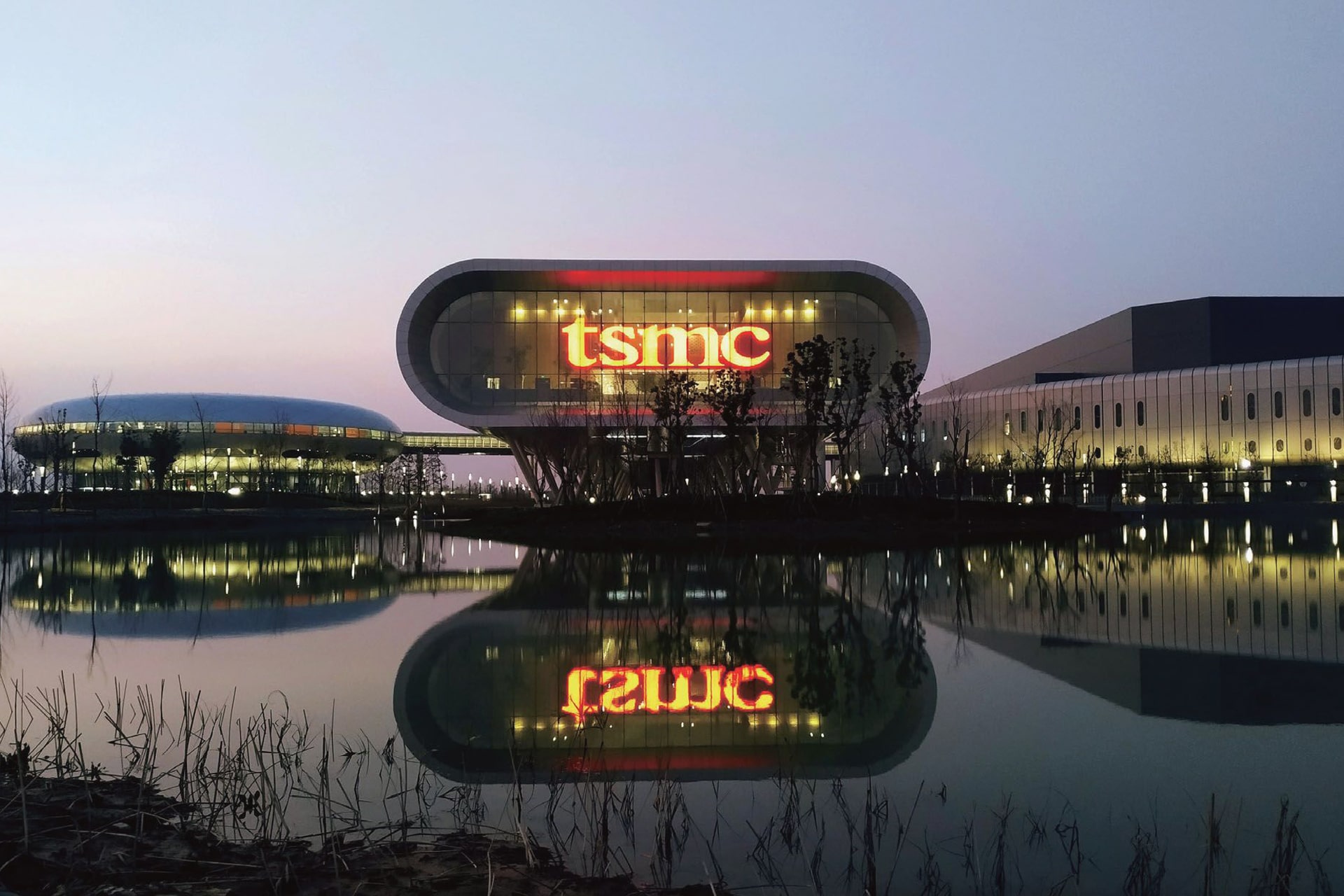
At TSMC's annual general assembly on June 4, chairman and CEO Che-Chia Wei told shareholders that the company is "not afraid of competition" and wished Elon Musk "good luck" on plans to build large advanced fabs, remarks reported by Kr-Asia. Wei said Intel remains "one of our top ten customers" while increasingly competing in contract chipmaking, per Kr-Asia. He also told the meeting that TSMC "won't raise prices like memory chips" and said customer trust and sustainability matter more, according to Kr-Asia. Wei maintained the company's 2026 outlook, saying revenue in US dollars could grow 30%, a high-stakes figure reported by Kr-Asia. He added that tensions in the Middle East have "added further uncertainty to the outlook," per the same report.
What happened
Per Kr-Asia's reporting of TSMC's annual general assembly on June 4, chairman and CEO Che-Chia Wei told shareholders the company is "not afraid of competition" and wished Elon Musk "good luck" on his proposed large-scale, cutting-edge fab. Wei said the plan "will take quite long to [materialize]," according to Kr-Asia. Wei also said Intel "is still one of our top ten customers," while noting competitive activity in contract chipmaking, per Kr-Asia. He told the meeting that TSMC "won't raise prices like memory chips" and explicitly rejected sudden double- or triple-digit price hikes, saying customer trust and sustainability are more important, as reported by Kr-Asia. Wei maintained TSMC's 2026 outlook, saying revenue in US dollars could grow 30%, and he flagged that tensions in the Middle East "have added further uncertainty to the outlook," per Kr-Asia.
Editorial analysis - technical context
Companies scaling advanced logic and packaging capacity for AI accelerators typically face long lead times for tool procurement, qualified fab construction, and process ramp. Industry observers note that building a modern node-scale fab and associated ecosystem commonly takes several years and requires substantial capital expenditure and supply-chain coordination. For practitioners, that time-to-volume constraint matters when planning procurement cycles for GPUs and custom accelerators.
Industry context
Industry reporting frames Wei's comments on pricing and customer trust against a backdrop of heightened AI-driven demand for logic wafers and historically volatile memory pricing. Companies in the semiconductor supply chain have previously seen sudden memory-price swings that compressed downstream demand; public remarks emphasizing stable pricing are being watched by OEMs and cloud providers as a signal about supply-cost expectations.
What to watch
- •Orders and backlog disclosures from major cloud service providers and AI OEMs, which will indicate whether demand supports TSMC's 30% revenue outlook.
- •Announcements from Intel, Samsung, and other foundries on capacity additions and customer wins, which will show how competition for contract manufacturing and packaging is evolving.
- •Market pricing trends for memory and logic wafers, since sustained price volatility would affect procurement strategies and margin planning.
Key Points
- 1TSMC CEO publicly framed competition as manageable, a stance that underscores the long lead times and high barriers to new, cutting-edge fabs.
- 2A pledge not to repeat abrupt memory-style price hikes alters cost expectations for OEMs and cloud providers planning AI infrastructure purchases.
- 3TSMC's reiterated 30% 2026 revenue outlook provides a concrete demand signal for supply-chain planning across semiconductors and data-center procurement.
Scoring Rationale
TSMC is a central node in AI hardware supply; the CEO's comments on competition, pricing, and a 30% revenue outlook matter for procurement and capacity planning. The piece reports executive signaling rather than new technical releases, so the story is notable but not industry-shaking.
Sources
Public references used for this report.
Practice interview problems based on real data
1,625 SQL & Python problems across 15 industry datasets — the exact type of data you work with.
Try 250 free problems