Trump Orders Early Government Access to Advanced AI
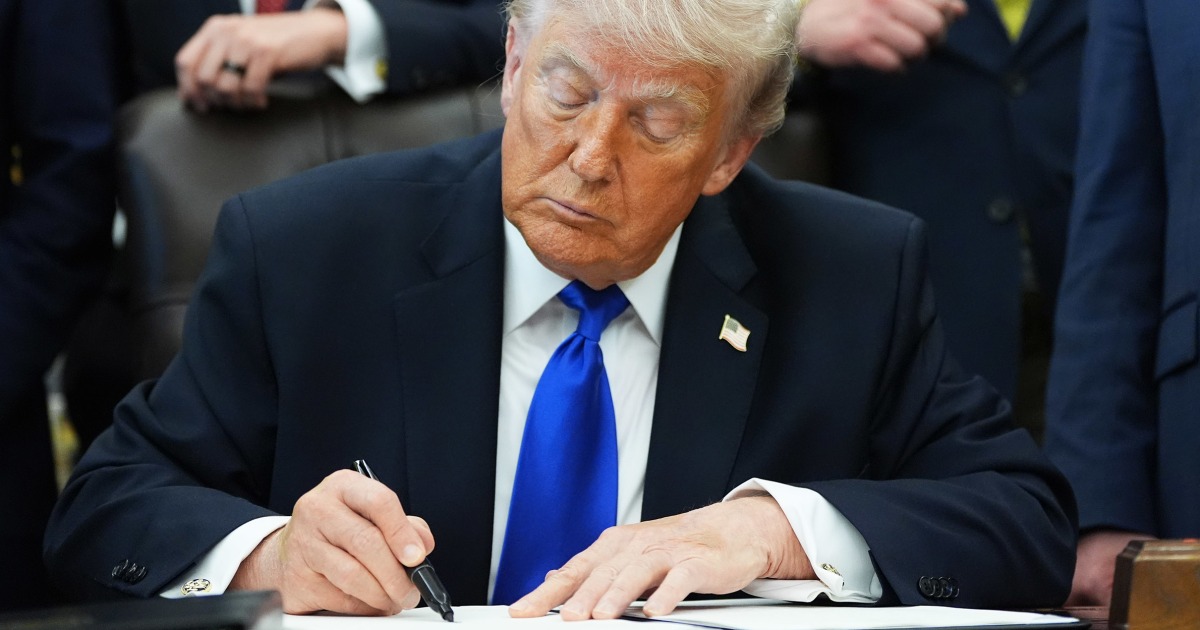
The White House on June 2, 2026 issued an executive order titled "Promoting Advanced Artificial Intelligence Innovation and Security," directing federal agencies to strengthen cyber defenses and to set up a process for reviewing the most capable AI systems before public release, according to the White House and reporting by CNBC and NPR. Under the order, leading developers are asked to voluntarily submit designated "covered frontier models" to federal agencies for security review about 30 days before release, CNBC and NPR report; an earlier draft had allowed up to 90 days. The order directs creation of a classified benchmarking process, with the National Security Agency director setting the capability threshold that defines a covered model, per CNBC. Coverage frames the measure as a compromise that favors voluntary collaboration over mandatory controls, and notes the signing had been delayed amid concerns the rules could hamper U.S. competitiveness with China.
What happened
The White House on June 2, 2026 published an executive order, "Promoting Advanced Artificial Intelligence Innovation and Security," that directs federal agencies to prioritize cyber defenses and to establish a process for reviewing the most capable AI systems before they are released publicly. According to CNBC and NPR, the order asks leading developers to voluntarily submit designated "covered frontier models" to federal agencies for security review about 30 days before public release, giving the government time to identify and help remediate weaknesses the models could introduce or exploit. The White House text states that "Advanced AI capabilities make our Nation stronger, but also introduce new national security considerations that require coordinated action across executive departments and agencies."
The mechanism
CNBC reports the order directs the government to build a classified benchmarking process to assess the advanced cyber capabilities of AI models, with the director of the National Security Agency setting the capability threshold at which a system is designated a covered frontier model. NPR notes an earlier draft would have allowed up to 90 days for review; the final order shortens that window to about 30 days. The framework is voluntary: it relies on developer cooperation rather than statutory authority to compel access, and the executive text stops short of mandatory prepublication controls.
Editorial analysis - technical context
Industry-pattern observation: voluntary pre-release review frameworks typically depend on what artifacts companies agree to share, such as safety evaluations, red-team reports, benchmark results, or guarded access to model endpoints rather than full weights. For practitioners, the practical value of early government access hinges on whether reviewers receive enough to run meaningful safety and robustness tests, and on clear definitions of what counts as a high-risk or frontier system. Vague thresholds tend to produce uneven compliance and legal uncertainty.
Why it matters
CNBC and NPR frame the order as a compromise between calls for stronger AI regulation and an industry-friendly posture that avoids mandates. By creating a formal channel for advance notice and security review, the administration couples model governance with a broader push on cybersecurity for federal systems. Reporting also notes the signing had been delayed amid internal debate over whether the measure could slow U.S. competitiveness with China.
What to watch
- •Whether follow-on guidance sets precise, capability-based thresholds for covered frontier models, since the NSA-led benchmarking process is still to be defined.
- •What artifacts the framework ultimately requests: full model access, evaluation endpoints, or structured safety reports, which determines the operational burden on developers.
- •Whether major labs publicly endorse the framework or seek legal protections for shared materials, a common condition in past cooperative programs.
- •Follow-on agency action, including any binding technical standards from federal cybersecurity authorities.
Bottom line
The order establishes an immediate but voluntary pathway for government review of the most capable AI systems, paired with cybersecurity directives for federal networks. Its real-world impact will depend on the thresholds, artifacts, and protections that subsequent agency guidance specifies, and on whether leading developers choose to participate.
Key Points
- 1The executive order asks AI developers to voluntarily submit covered frontier models for federal security review about 30 days before public release.
- 2A classified benchmarking process, with the NSA director setting the threshold, will define which systems count as covered frontier models.
- 3Coverage frames the order as voluntary and innovation-friendly, stopping short of mandatory pre-release controls while adding federal cybersecurity directives.
Scoring Rationale
An administratively issued executive order that sets a formal voluntary pathway for government review of advanced models is a major policy development affecting model governance and security workflows. Its voluntary nature and reliance on follow-on definitions reduce immediate operational disruption but make the finer technical and legal details decisive for practitioners.
Sources
Public references used for this report.
Practice interview problems based on real data
1,625 SQL & Python problems across 15 industry datasets — the exact type of data you work with.
Try 250 free problems