Allen Institute Launches $200M Brain Health Accelerator
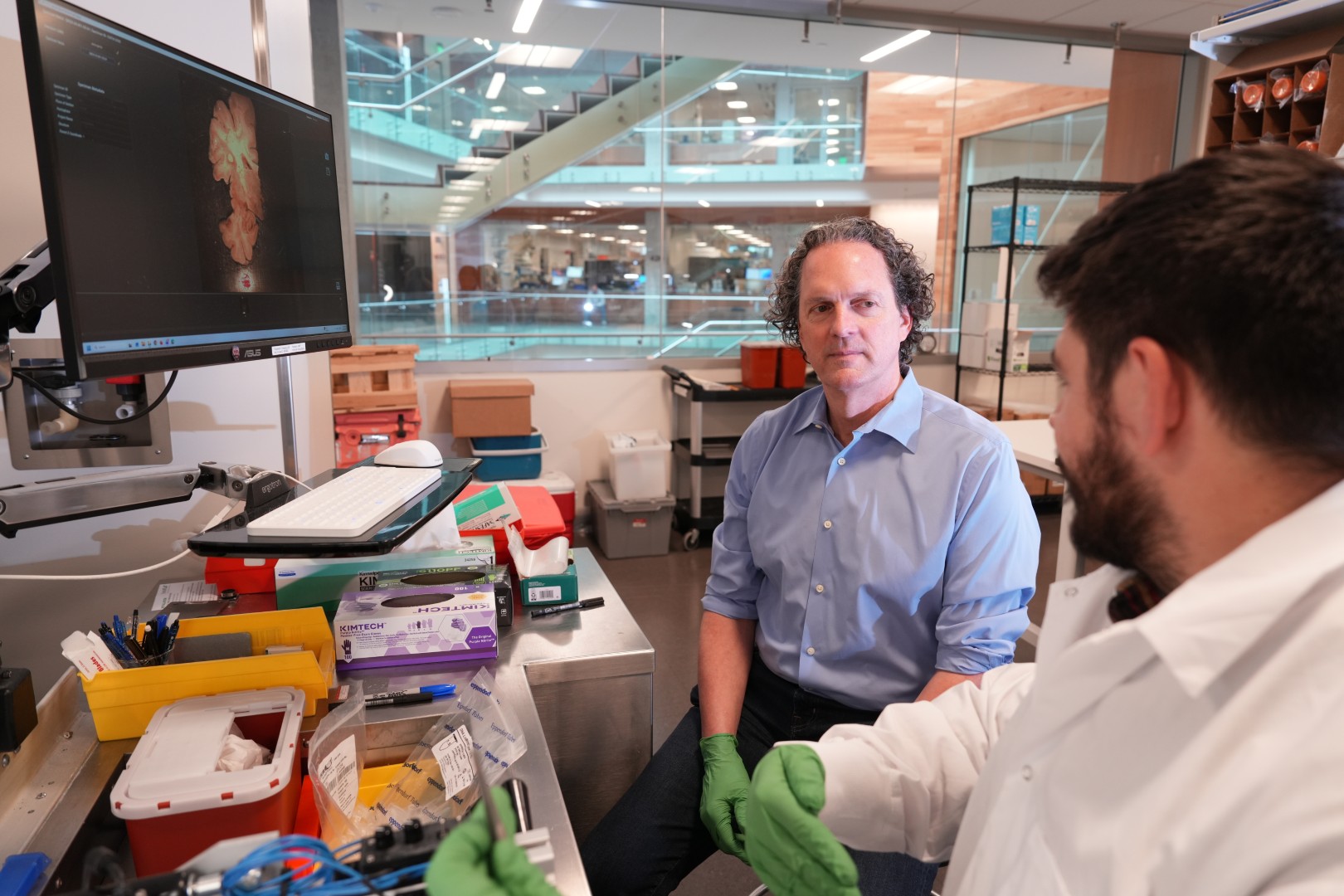
The Allen Institute announced the launch of the new Brain Health Accelerator with $200 million in initial funding, reporting the effort aims to develop target-specific gene therapies for neurodegenerative diseases including Alzheimer's, Parkinson's, Huntington's, and ALS (GeekWire). The unit is formed out of the institute's existing Brain Science division and starts with nearly 60 staff, with reporting that it is expected to expand to about 200 people over time (GeekWire). According to GeekWire and Commstrader, the core funding comes from the Fund for Science and Technology, created from Paul Allen's estate, which began with a $3.1 billion endowment. Allen Institute executive vice president Ed Lein described the approach as aiming for "a whole new brand of therapeutics that, instead of targeting a protein, targets the cells in the circuits that are affected in disease" (GeekWire).
What happened
The Allen Institute is launching the Brain Health Accelerator, an internal unit formed from its Brain Science division, with $200 million in initial funding, reporting the goal of developing target-specific gene therapies for neurodegenerative diseases including Alzheimer's, Parkinson's, Huntington's, and ALS (GeekWire; Commstrader). GeekWire reports the new unit begins with nearly 60 staff and is expected to expand to about 200 people over time. The articles state that the accelerator's core funding comes from the Fund for Science and Technology, established from Paul Allen's estate with an initial $3.1 billion endowment (GeekWire; Commstrader).
Technical details
Reporting indicates the accelerator will build on the institute's existing cell-mapping and molecular atlases to identify cell populations and circuits as therapeutic targets (GeekWire; Commstrader). Ed Lein, executive vice president and director of the Brain Health Accelerator, said the effort seeks "a whole new brand of therapeutics that, instead of targeting a protein, targets the cells in the circuits that are affected in disease" (GeekWire).
Editorial analysis - technical context
Translating high-resolution cellular atlases into therapies typically requires combining single-cell and spatial transcriptomics with functional validation and delivery technologies. For practitioners, that pattern implies a need for large, well-annotated datasets, rigorous cell-type definitions, and partnerships with vector and delivery experts.
Context and significance
Industry context: The move represents a philanthropically funded, translational push that pairs large-scale biological data generation with therapeutic development. Large research institutes converting foundational datasets into drug-discovery pipelines is an increasing trend in bioscience, and this initiative exemplifies a resource-heavy attempt to bridge discovery and preclinical development.
What to watch
Observers should track staffing growth and recruitment announcements, the accelerator's stated target discovery pipeline and assay platforms, partnerships with academic or industry vector-delivery groups, and any NIH or external funding matches. Reporting does not include detailed timelines for preclinical milestones or clinical translation, and the institute has not provided a public, itemized roadmap for therapeutic development in the sourced articles (GeekWire; Commstrader).
Key Points
- 1Industry context: Philanthropically seeded translational initiatives often pair atlases with therapeutic pipelines to accelerate target validation and de-risk preclinical work.
- 2What: The Allen Institute is committing $200 million to an accelerator that starts with ~60 staff and aims to scale to ~200, per reporting.
- 3For practitioners: Converting cell atlases into gene therapies typically requires cross-disciplinary teams, standardized single-cell data, and robust delivery partnerships.
Scoring Rationale
A large, philanthropically funded translational effort is notable for data scientists and computational biologists because it signals substantial new datasets and applied target-discovery work. The story is not a frontier AI/model release, so its direct impact on core ML tooling is moderate.
Sources
Public references used for this report.
Practice with real Health & Insurance data
90 SQL & Python problems · 15 industry datasets
250 free problems · No credit card
See all Health & Insurance problems