Trevor Paglen Releases Book Examining AI Images and Psyops
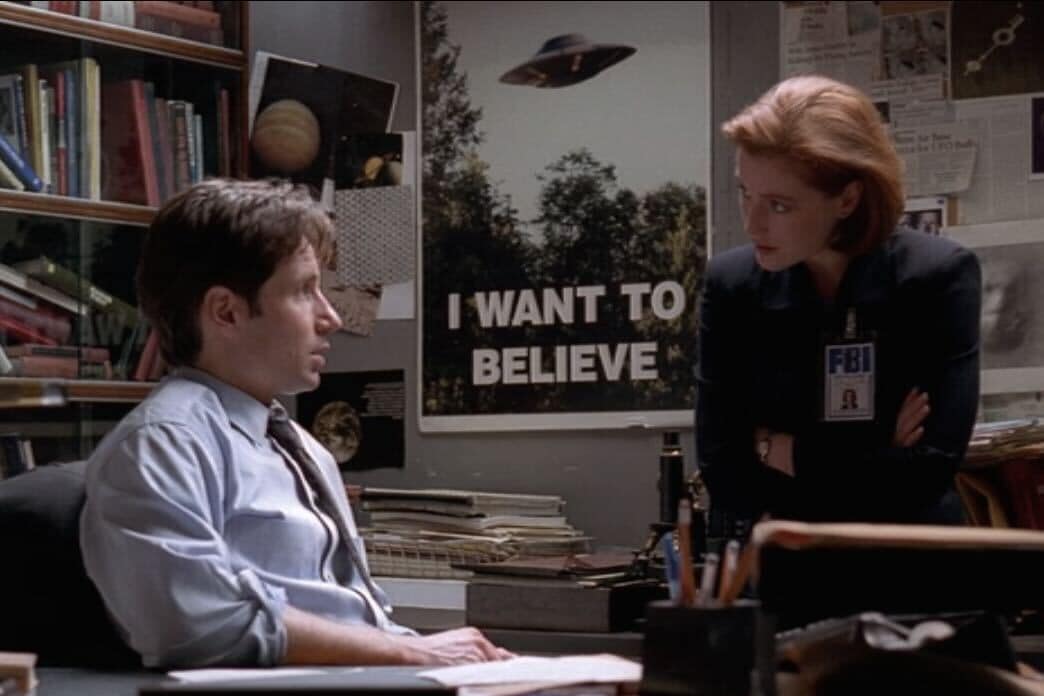
Artist Trevor Paglen has published How to See Like a Machine: Images After AI (Verso, May 2026) and discussed it in a new interview with Dazed. Paglen describes an "indexical flip": where photographs were once assumed to record reality, he now assumes any image could be fabricated. "Everything has become a potential AI hallucination," he writes. The book ranges across US government psy-ops, UFO imagery, adtech, recommendation algorithms, and biased uses of AI in policing, arguing that machine learning has changed what images do, not just how they look. Per Dazed and the publisher, Paglen contends that images now carry only a quasi-indexical status, the visual codes of truth persist even as the link to a real referent weakens.
What happened
Artist Trevor Paglen has published How to See Like a Machine: Images After AI (Verso, May 2026), a roughly 190-page collection of essays, and discussed it in a new interview with Dazed. Paglen describes an "indexical flip": where photographs were once assumed to record reality, he now assumes any image may be fabricated, a reversal he says crystallized while watching social media during US airstrikes on Iran. "Everything has become a potential AI hallucination," he writes. The book and interview range across US government psy-ops, UFO imagery, adtech, recommendation algorithms, and biased uses of AI in policing, according to Dazed and the publisher.
The argument
Per Dazed and Verso, Paglen's thesis is that machine learning and computer vision have changed what images do, not only how they look: pictures increasingly act on systems directly and require no human viewer. He contends that, after AI, images hold only a quasi-indexical status, the visual codes of truth persist while the causal link to a real referent weakens. Reviews in outlets including the Oakland Review of Books and Library Journal treat the essays as a cultural and historical lens on synthetic media rather than a technical manual.
Industry analysis
Editorial analysis
Paglen's framing maps onto problems practitioners already track, including synthetic-media detection, content provenance, and the way recommendation systems amplify manipulated visuals. The work supplies conceptual vocabulary, the indexical flip and post-indexical images, rather than benchmarks or tooling, and is most useful to teams reasoning about image trust, dataset provenance, and the societal stakes of generative vision systems.
Key Points
- 1Trevor Paglen's new book How to See Like a Machine argues AI and machine vision have changed what images do, not just how they look.
- 2He describes an "indexical flip," now assuming images may be fake, and links AI imagery to psy-ops, UFOs, adtech, and policing.
- 3For practitioners, it sharpens the stakes around synthetic-media detection, image provenance, and trust in machine-generated visuals.
Scoring Rationale
A substantive, well-reviewed book and interview by a notable artist directly addressing how generative AI and machine vision reshape image trust, psy-ops, and synthetic media. It is centrally on-topic for practitioners thinking about provenance and detection, but it is cultural and conceptual commentary rather than a technical release, model, or industry-moving event, so it sits at the opinion/solid boundary. Pulled down from the original 6.3, which over-weighted an interview/book piece.
Sources
Public references used for this report.
Practice interview problems based on real data
1,625 SQL & Python problems across 15 industry datasets — the exact type of data you work with.
Try 250 free problems