Trane Technologies Acquires LiquidStack, Expands Data Center Cooling
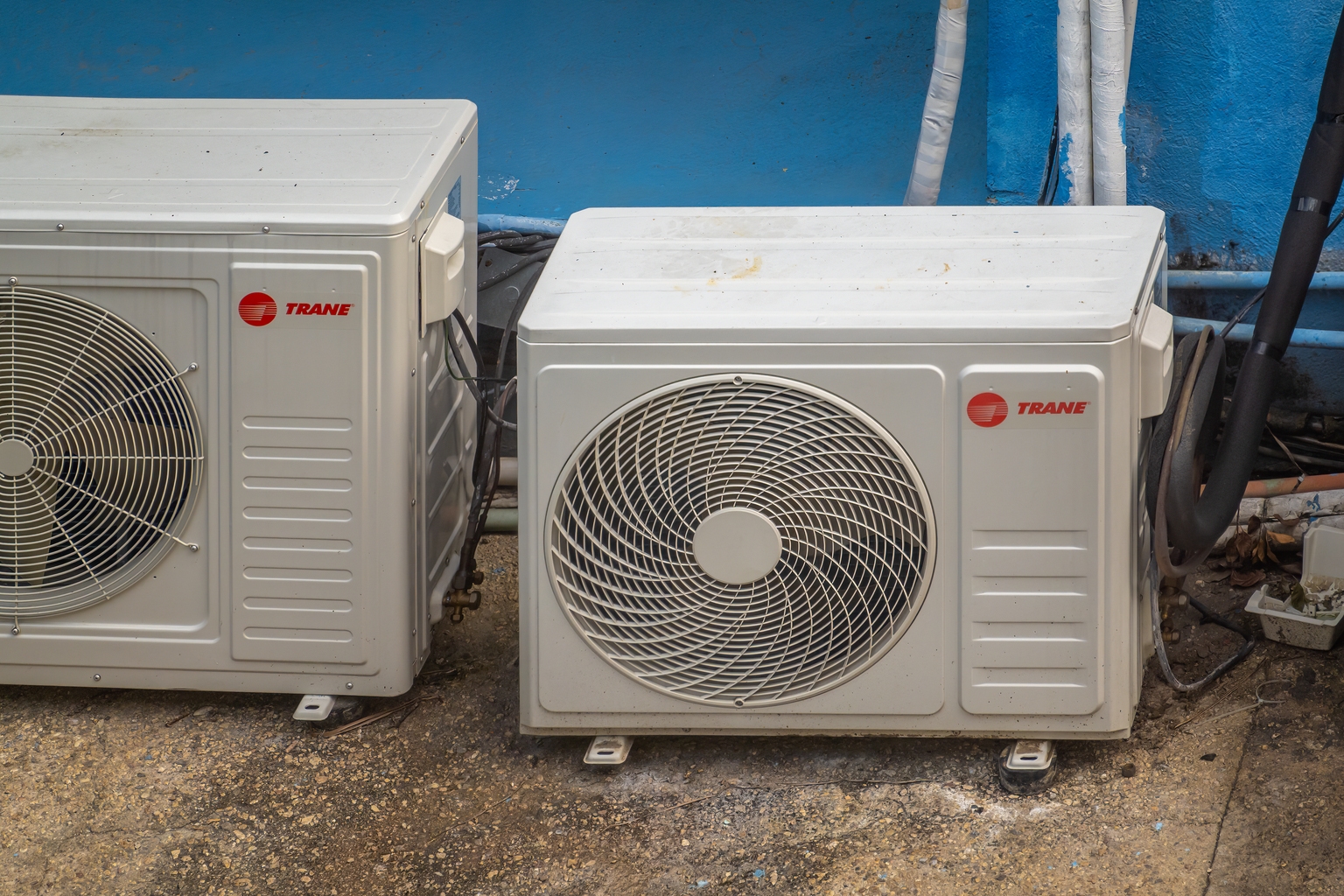
Per a Trane Technologies press release distributed via Business Wire and republished on Trane.com, Trane Technologies has entered into a definitive agreement to acquire LiquidStack, a data center liquid-cooling specialist headquartered in Carrollton, Texas. The transaction, which builds on Trane's 2023 minority investment in LiquidStack, will bring LiquidStack's team, manufacturing, engineering, and R&D operations in Texas and Hong Kong into Trane's Commercial HVAC Americas business unit, according to the release. The press release describes LiquidStack technologies as including immersion cooling, direct-to-chip cooling, and high-density liquid solutions aimed at generative AI and hyperscale workloads. StorageReview and Seeking Alpha coverage add operational context, noting LiquidStack's prior immersion-cooled hyperscale deployment and analyst commentary that the market underappreciates Trane's role in AI infrastructure.
What happened
Per a Trane Technologies press release distributed via Business Wire and posted on Trane.com, Trane Technologies has entered into a definitive agreement to acquire LiquidStack, a liquid-cooling provider for data centers headquartered in Carrollton, Texas. The press release states the acquisition builds on Trane's 2023 minority investment in LiquidStack and includes LiquidStack's global team, manufacturing, engineering, and research and development operations in Texas and Hong Kong. The release says LiquidStack will operate within the Commercial HVAC business unit of the Trane Technologies Americas segment upon closing. Holly Paeper, President, Commercial HVAC Americas at Trane Technologies, is quoted in the release on evolving thermal management needs in modern data centers.
Technical details
Per Trane's announcement and contemporaneous reporting by StorageReview, LiquidStack's portfolio includes immersion cooling, direct-to-chip cooling, and high-density liquid-cooling architectures designed for elevated chip power and heat densities. StorageReview cites LiquidStack's 2018 immersion-cooled hyperscale deployment in Hong Kong as an early milestone. The Trane press release frames the combined offering as spanning chillers, heat rejection, controls, liquid distribution, and on-chip cooling to deliver end-to-end thermal management for high-density AI-scale workloads.
Reported personnel and organization
According to the Trane press release and its Business Wire distribution, LiquidStack co-founder and CEO Joe Capes will join Trane Technologies in a leadership role and continue to lead the LiquidStack business after closing. The press release specifies that the acquisition brings LiquidStack's manufacturing and R&D footprint into Trane's Commercial HVAC Americas group.
Market framing and coverage
Seeking Alpha published an independent analysis framing Trane as an underappreciated AI-infrastructure play and initiated coverage of TT with a bullish investment stance; that piece argues immersion cooling can reduce water use and power overhead and calls investor attention to Trane's expanded data center exposure. Multiple trade outlets, including HPCWire, Data Centre Magazine, and DataCentreNews UK, republished or summarized the Trane announcement, emphasizing the acquisition's intent to scale liquid-cooling capabilities for generative AI and hyperscale customers.
What to watch
Editorial analysis
Adoption timelines for immersion and direct-to-chip cooling vary by operator risk tolerance and retrofit complexity, so early customer wins and measured performance data will be the most useful signs of traction.
Implications for practitioners
Industry context
Data center operators and hyperscalers are confronting rising per-chip power density and tighter sustainability constraints, including water use and site-level heat rejection. Editorial analysis: Companies that integrate facility-level cooling with rack- and chip-level liquid delivery can reduce total energy use and lower power usage effectiveness (PUE) for extremely dense compute racks, which matters for AI training and inference clusters.
Observers will track three measurable indicators after the close:
- •announcements of pilot or commercial deployments where LiquidStack systems are integrated with Trane central-plant equipment
- •published case studies or PUE and water-use performance metrics from joint deployments
- •any changes to channel or service agreements that expand LiquidStack's reach into large colocation and hyperscaler customers
For data center engineers and site planners, broader OEM support for immersion and direct-to-chip cooling from an established HVAC vendor can lower integration friction between facility systems and rack- or chip-level thermal interfaces. Editorial analysis: Greater supplier consolidation across the cooling stack tends to accelerate standardized mechanical, fluid, and controls interfaces, which reduces system-integration costs for operators exploring liquid-cooled AI racks.
Limitations and open questions
Per available reporting, Trane and LiquidStack have outlined organizational and product intents but have not published deployment-level performance data or a public rollout timetable tied to specific customers. Observers should treat claims about market repositioning or valuation effects as external commentary unless supported by further company disclosures or customer case studies.
Key Points
- 1Trane formally agreed to acquire LiquidStack, adding immersion and direct-to-chip cooling to its commercial HVAC portfolio, per Trane's press release.
- 2Immersion and on-chip liquid cooling address rising chip-level heat density and sustainability constraints, a pattern industry observers have flagged for hyperscale AI builds.
- 3Broader OEM integration across facility and chip-level cooling can lower integration overhead for operators, but adoption depends on published deployment metrics and pilot customer wins.
Scoring Rationale
The acquisition meaningfully expands a major HVAC vendor into liquid cooling for AI-scale data centers, which matters to infrastructure planners and operators. The story is notable for practitioners but not a watershed industry shift absent deployment metrics and customer rollouts.
Sources
Public references used for this report.
View 6 more sources
- Trane Technologies to Acquire LiquidStack to Expand its Data Center Liquid Cooling Portfoliostoragereview.com
- Trane Technologies to Acquire LiquidStackachrnews.com
- Trane to Acquire LiquidStack for AI Data Centre Coolingdatacentremagazine.com
- Trane Technologies to buy LiquidStack in AI cooling pushdatacentrenews.uk
- Trane to acquire liquid cooling company LiquidStackcoolingpost.com
- Trane Technologies to buy data center liquid cooling firm LiquidStackmsn.com
Practice interview problems based on real data
1,625 SQL & Python problems across 15 industry datasets — the exact type of data you work with.
Try 250 free problems