
Telus and Canada Announce B.C. Sovereign AI Cluster
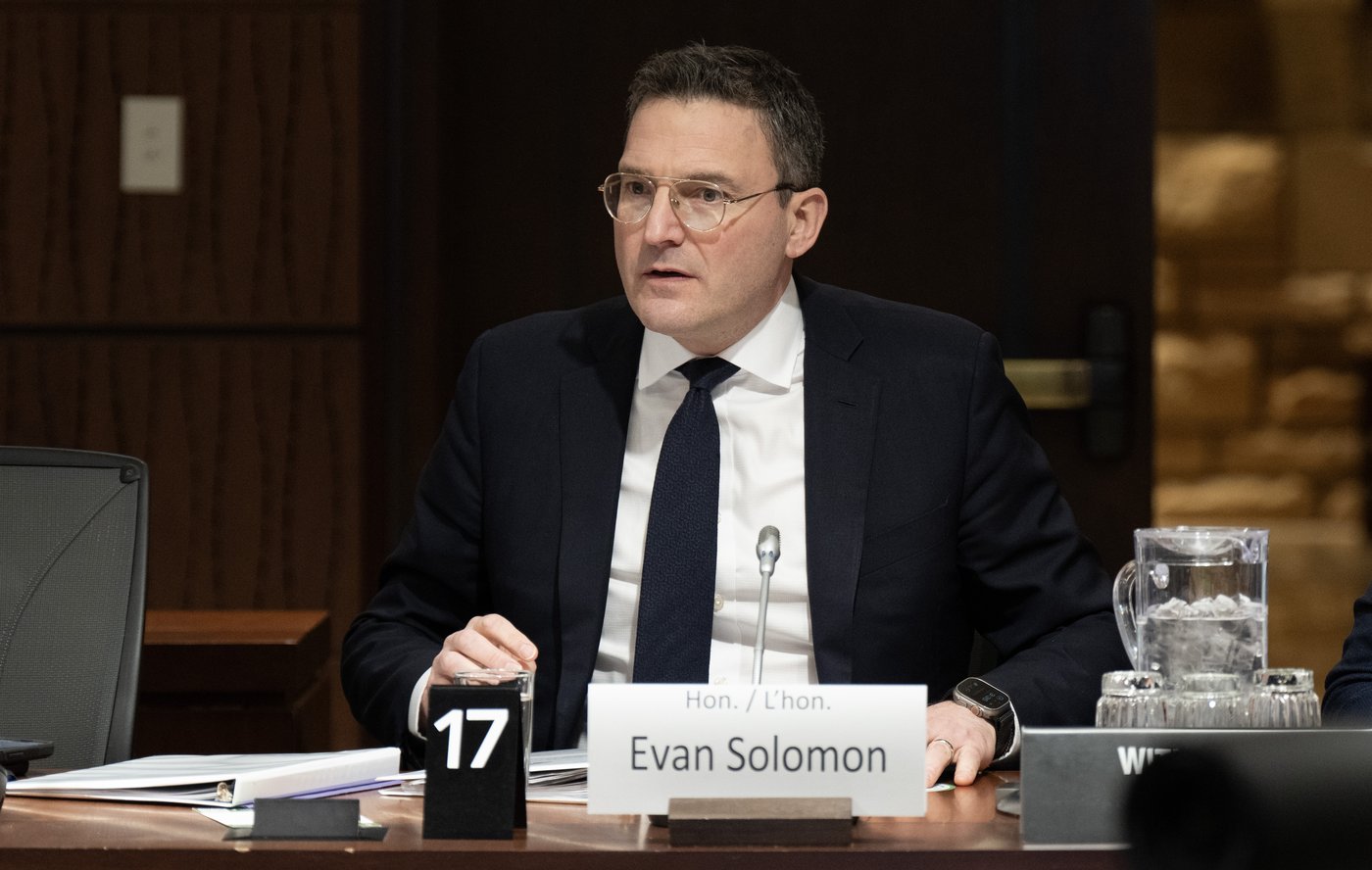
Canada's AI minister Evan Solomon and TELUS announced a three-site AI data centre cluster in British Columbia on May 11, 2026, the Canadian Press reports. The project covers two Vancouver sites and an expansion in Kamloops, with the Kamloops expansion and a Mount Pleasant facility slated to open later in 2026 and a downtown Vancouver site expected in 2029, according to multiple outlets including BNN Bloomberg and CTV News. TELUS's May 11 media release states the cluster is planned to scale to more than 60,000 GPUs and 150 MW of capacity by 2032, and the company estimates roughly $9 billion in economic value while running on 98% clean energy and using liquid cooling and heat recovery technology. The Canadian Press reports the federal government has committed $2 billion over five years under a sovereign data centre initiative. Evan Solomon was quoted discussing financial risks at the announcement, per The Canadian Press.
Technical details
According to TELUS's May 11 media release, the proposed cluster is planned to scale to over 60,000 GPUs and 150 MW of power by 2032. TELUS's release and BC Business state the facilities will deploy AI hardware from NVIDIA, use liquid cooling and heat recovery systems, and are designed to run on approximately 98% clean energy while recycling waste heat to district systems. TELUS's release also includes an economic estimate of about $9 billion in value for British Columbia and workforce figures tied to construction and operations. The Canadian Press reports the federal government has earmarked $2 billion over five years, starting in 2024_25, under a program to support large-scale sovereign data centres.
Editorial analysis - technical context
Industry-pattern observations: Large-scale AI clusters centered on high GPU counts and high-density cooling are now standard for supporting training and inference of modern foundation models. Facilities that combine liquid cooling with heat recovery are increasingly common because they lower PUE (power usage effectiveness) and create opportunities to reuse thermal energy in urban heating networks. Public reporting that links onshore compute capacity to data sovereignty mirrors similar policy debates in other jurisdictions where governments subsidize local infrastructure to keep sensitive workloads and IP on domestic soil.
Context and significance
What to watch
Editorial analysis
For practitioners, an onshore cluster of the scale TELUS describes would expand domestic options for training and hosting large models without relying solely on foreign cloud providers. Public reporting frames the federal funding and TELUS capacity targets as part of a broader push to anchor AI compute in Canada. That said, announced capacity targets and timelines frequently change between press release and full commissioning; observers should treat 2032-scale figures as planned rather than operational facts until facility-level commissioning is complete.
Observers should follow three measurable indicators:
- •site-level commissioning notices and power contracts for the downtown Vancouver facility
- •vendor disclosures about specific GPU models and cluster networking (for example, whether NVIDIA H100 or later generations are deployed)
- •regulatory or municipal approvals related to district heat integration and water use
Additionally, public procurement or research partnerships that commit model training or government workloads to these sites will clarify how much of the announced capacity is reserved for domestic sovereign workloads versus commercial customers.
Quotes and political framing
The Canadian Press reports Evan Solomon acknowledged financial risks at the announcement, saying, "Of course, there are financial risks when people are investing billions of dollars" and that Canada "cannot be risk-averse in this moment." TELUS's May 11 media release frames the expansion as a response to demand following its Rimouski Sovereign AI Factory, which TELUS states has sold out.
Limitations of reporting
What happened
Canada's Minister of Artificial Intelligence and Digital Innovation, Evan Solomon, and TELUS publicly announced plans for a three-site AI data centre cluster in British Columbia on May 11, 2026, per The Canadian Press and CTV News. The network comprises an expansion of TELUS' existing Kamloops data centre plus two new Vancouver facilities in Mount Pleasant and downtown Vancouver, with the Kamloops expansion and Mount Pleasant facility scheduled to open later in 2026 and the downtown site expected in 2029, according to BNN Bloomberg and BC Business.
No independent cost breakdown or power purchase agreements were provided in the public releases cited. Several high-stakes metrics (GPU counts, economic impact, energy mix) are presented by TELUS and reported by outlets; those figures are attributable to TELUS's media release or The Canadian Press coverage and have not been independently verified in reporting cited here.
Key Points
- 1Federal and TELUS announcement establishes a three-site B.C. AI cluster planned to scale to 60,000 GPUs and 150 MW by 2032, per TELUS.
- 2Industry-pattern observation: liquid cooling plus heat recovery is becoming standard to reduce AI facility energy and enable district heat reuse.
- 3For practitioners: onshore capacity increases options for training and data-sovereign deployments, but announced timelines and capacities should be verified at commissioning.
Scoring Rationale
The story announces a major national-scale AI infrastructure project with large GPU and power targets and a meaningful federal funding commitment, which is notable for practitioners planning model training or sovereign deployments. The 2032 scale and funding increase strategic onshore compute options but remain planned targets rather than completed capacity.
Sources
Public references used for this report.
View 9 more sources
- Telus Plans AI Data Center Expansion in British Columbiamarketwatch.com
- “Steel, concrete, and code”: Feds and Telus announce three AI data ...betakit.com
- Ottawa will back Telus's AI data centre expansion in B.C. - The Logicthelogic.co
- Telus and Ottawa announce major B.C. AI data centre cluster to ...bcbusiness.ca
- Telus and feds announce AI data cluster in B.C. to boost 'sovereign ...timescolonist.com
- Telus and feds announce AI data cluster in B.C. to boost 'sovereign' computing powerca.finance.yahoo.com
- Telus and feds announce AI data cluster in B.C. to boost 'sovereign' computing powerrmoutlook.com
- Telus and feds announce AI data cluster in B.C. to boost 'sovereign' computing powerinnisfiltoday.ca
- Telus and feds announce AI data cluster in B.C. to boost 'sovereign' computing powertownandcountrytoday.com
Practice with real Ad Tech data
90 SQL & Python problems · 15 industry datasets
250 free problems · No credit card
See all Ad Tech problems


