
Steve Dempsey Argues AI Could Cause Societal Collapse
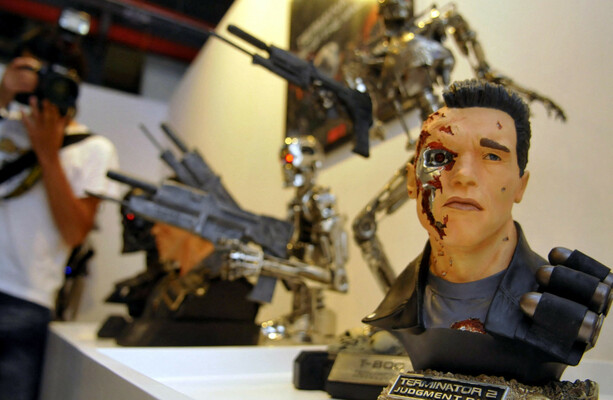
Media and technology commentator Steve Dempsey argues in a July 3, 2026 opinion column for TheJournal.ie that AI's greatest danger to humanity may not be a dramatic Terminator-style conflict but a slow, mundane societal collapse driven by inconsistent policy and fragile procurement dependencies. According to the piece, Dempsey points to the US Commerce Department's June 2026 order forcing Anthropic to cut off foreign-national access to its Claude Fable 5 and Claude Mythos 5 models, an order reversed roughly two weeks later, as an example of the kind of abrupt, inconsistent AI governance that could compound into systemic failure. For practitioners, the piece is a reminder that policy and vendor-dependency risk, not just model capability, deserves attention in resilience planning. As a single-author opinion column, its claims reflect Dempsey's own analysis rather than reported fact.
The piece is a useful counterweight to capability-focused AI risk debates: it argues that catastrophic AI risk does not require a rogue superintelligence, and that ordinary failures in governance, policy consistency, and vendor dependency can compound into comparable outcomes. For teams building on frontier AI vendors, that reframes resilience planning as a policy and procurement problem as much as a technical one.
What happened
In a July 3, 2026 opinion column for TheJournal.ie, media and technology commentator Steve Dempsey argues that AI could contribute to societal collapse not through a dramatic machine takeover but through the accumulation of mundane, everyday failures, citing inconsistent government policy and fragile procurement dependencies as his central examples.
Context
According to the piece, Dempsey points to the US Commerce Department's abrupt order in mid-June 2026 directing Anthropic to suspend foreign-national access to its Claude Fable 5 and Mythos 5 models on national-security grounds, an order that was reversed roughly two weeks later, as illustrative of how sudden, inconsistent AI policy can create operational whiplash for organizations that depend on a single vendor's frontier models.
For practitioners
The argument lands on a practical point: over-reliance on any single AI vendor or model tier carries policy and export-control risk that can materialize with little warning, separate from ordinary model-quality or safety risk. Teams with production dependencies on frontier models may want to treat vendor and jurisdictional diversification as a resilience measure, not just a cost or performance one.
What to watch
As a single-author opinion piece that could not be independently re-verified in full, Dempsey's specific framing should be read as argument rather than reporting. The more concrete and verifiable thread to watch is whether US export-control policy toward frontier AI models continues to shift abruptly, which would lend empirical weight to the piece's core claim.
Key Points
- 1Commentator Steve Dempsey argues AI's biggest danger may be mundane societal collapse from bad policy, not a dramatic machine uprising.
- 2He cites the US Commerce Department's abrupt, later-reversed order forcing Anthropic to cut off foreign access to Claude Fable 5 and Mythos 5.
- 3The piece suggests practitioners treat vendor and export-policy dependency as a resilience risk alongside model capability and safety concerns.
Scoring Rationale
A single-author opinion column making a conceptual argument about non-spectacular AI risk (policy inconsistency and vendor dependency rather than capability), grounded in a real, independently verified underlying event (the June 2026 Anthropic Fable5/Mythos5 export-control episode). Genuinely on-topic and thought-provoking for risk-aware practitioners, but single-sourced, unreachable for full re-verification, and offers argument rather than new reporting, so scored on the lower end of 'solid'.
Sources
Public references used for this report.
Practice interview problems based on real data
1,625 SQL & Python problems across 15 industry datasets — the exact type of data you work with.
Try 250 free problems

