Standard Chartered cuts 7,800 back-office roles by 2030
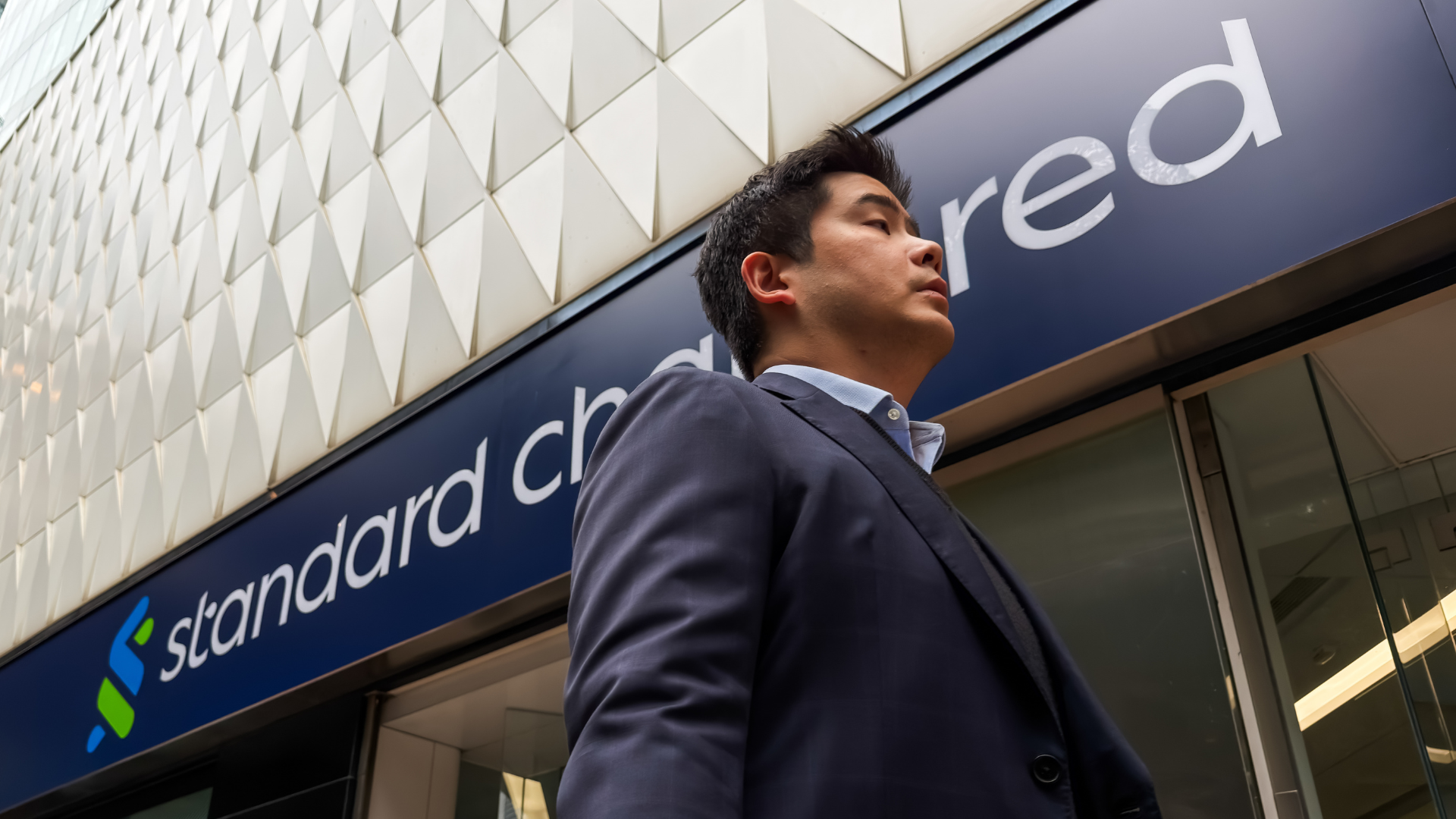
Standard Chartered will cut more than 15%, or about 7,800, of its back-office roles by 2030, the BBC reports. According to the bank, the reductions form part of a productivity push that aims to raise income per employee by about 20% by 2028 (Standard Chartered). The BBC reports the bank expects to redeploy some affected staff to other roles and quoted the firm saying, "We are scaling practical uses of automation, advanced analytics and artificial intelligence to streamline processes, improve decision-making and enhance both client service and internal efficiency,". The BBC frames the announcement as part of chief executive Bill Winters' latest global strategy and places the cuts alongside recent large tech-sector layoffs reported in 2026.
What happened
Standard Chartered announced cuts affecting more than 15%, roughly 7,800, of its back-office roles to be implemented by 2030, according to reporting by the BBC. According to Standard Chartered, the reductions form part of a productivity initiative that aims to raise income per employee by about 20% by 2028. The BBC reports the bank told staff it will attempt to move some affected workers into other roles. The BBC quoted the bank saying, "We are scaling practical uses of automation, advanced analytics and artificial intelligence to streamline processes, improve decision-making and enhance both client service and internal efficiency." The BBC frames the announcement as part of chief executive Bill Winters' global strategy.
Editorial analysis - technical context
Banks and financial institutions typically apply automation and AI first to repetitive back-office workflows such as reconciliations, document processing, transaction matching, and simple compliance checks. Companies adopting these patterns often combine robotic process automation (RPA), machine learning classifiers for document triage, and rules-based orchestration to reduce manual throughput and shorten cycle times. Observed patterns in comparable deployments include an emphasis on integration with legacy core systems, incremental pilots ahead of scale, and increased emphasis on model validation and explainability for regulated processes.
Industry context
Industry reporting places Standard Chartered's move within a broader wave of cost reduction and automation announcements across tech and financial services in 2026. The BBC notes other large firms have announced major cuts this year, citing Meta's plan to cut roughly 8,000 roles and Amazon's larger reductions. For practitioners, large-scale back-office automation at incumbent banks raises operational questions around data lineage, model governance, and the measurement of productivity gains versus one-time headcount savings.
What to watch
- •Indicators of operational change: where layoffs are concentrated geographically and which back-office functions are automated first, as reported in follow-up disclosures.
- •Technology and vendor choices: whether the bank uses in-house AI/automation stacks or third-party platforms, and how it structures model validation and audit trails.
- •Workforce outcomes: reporting on redeployment, reskilling programs, severance terms, and local labor or regulatory responses.
Key Points
- 1Major banks automating routine back-office work often cut headcount while reporting higher per-employee productivity and efficiency metrics.
- 2Scaling automation in regulated environments typically increases demand for model governance, explainability, and data lineage controls.
- 3Practitioners should monitor vendor choices, deployment patterns, and reskilling programs as indicators of long-term operational change.
Scoring Rationale
A large international bank announcing a multi-year, AI-linked reduction of roughly 7,800 back-office roles is a notable signal for operations and workforce planning in financial services. The story matters to practitioners because it highlights production-scale automation and governance challenges, but it is not a frontier-model or regulatory turning point.
Sources
Public references used for this report.
Practice with real Banking data
90 SQL & Python problems · 15 industry datasets
250 free problems · No credit card
See all Banking problems