Sports Media Struggles With AI-Driven Low-Quality Content
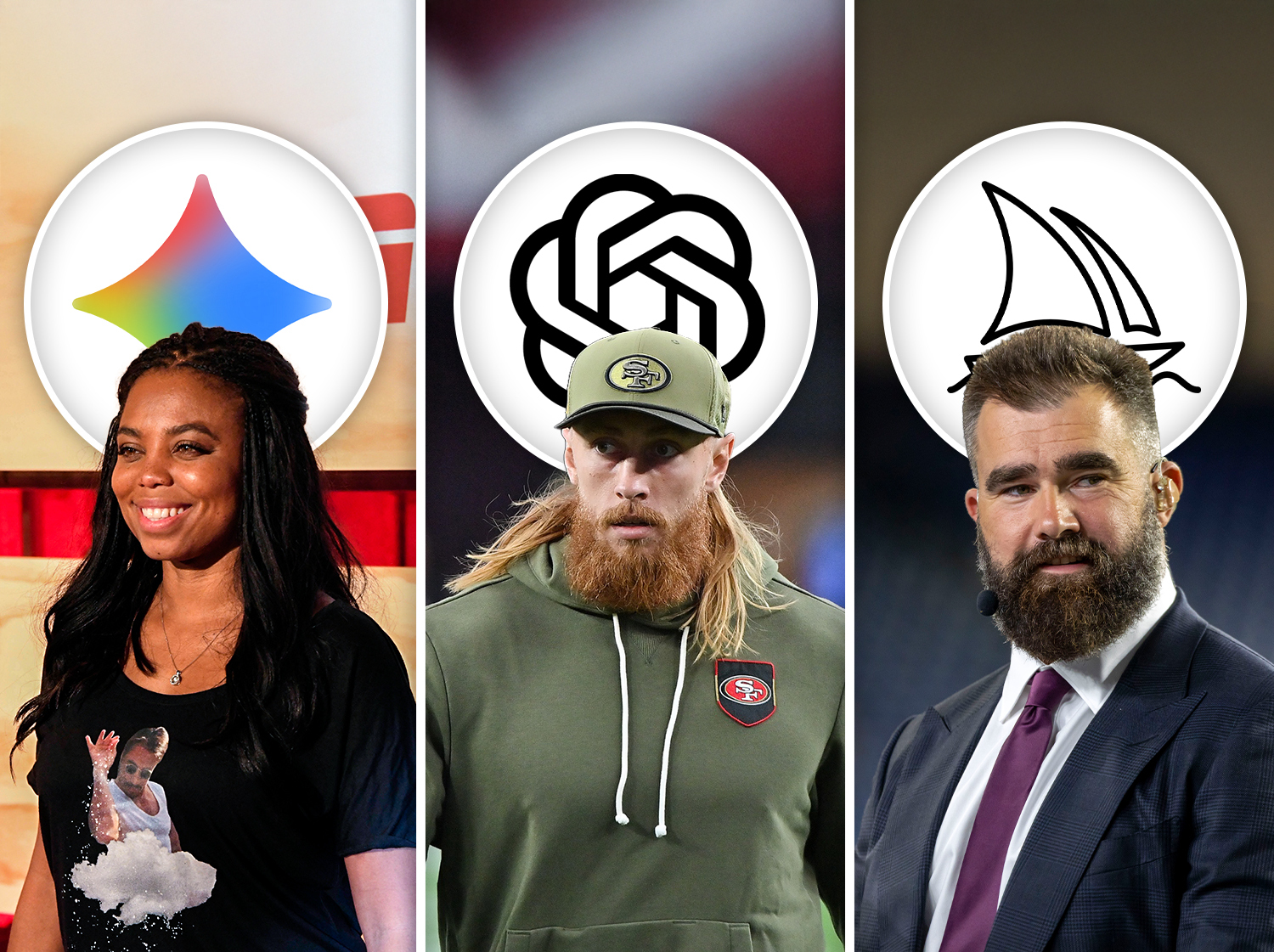
Front Office Sports reports that AI-generated "AI slop", fabricated, sensational content, has become endemic in sports coverage, citing fake viral quotes falsely attributed to 49ers tight end George Kittle and former Eagles center Jason Kelce, both of whom publicly debunked the posts. A separate study by Stanford, Imperial College London, and the Internet Archive found 35% of newly published websites were AI-generated by mid-2025, up from near-zero before ChatGPT's 2022 launch. AI risk firm Alethea told Front Office Sports that fake NFL-themed Facebook pages, often run from India and Vietnam, post more than 50 times a day using fake U.S. business addresses and comment-section links to evade moderation.
The real news here is that this is now a measured, cross-domain phenomenon with a documented operational playbook, not just an anecdotal trend: an independent Stanford/Imperial College London/Internet Archive study puts a hard number on AI-generated web content, and Alethea's investigation describes exactly how fake sports-content networks evade moderation, mechanics that generalize well beyond sports to any trust-and-safety pipeline.
What happened
Front Office Sports reports that fabricated, AI-assisted content, what the outlet and others term "AI slop", has become a persistent problem in sports coverage. The outlet documents multiple named incidents: a fake quote falsely attributed to 49ers tight end George Kittle went viral on Facebook after Charlie Kirk's September 10 killing, prompting Kittle to post, "This is a fake quote. I hope most of you realize that. Also, that account only posts fake news/reports, please ignore them"; a fabricated quote attributed to Jason Kelce disparaging Bad Bunny also went viral last October, prompting Kelce to say, "I feel I need to address that there are a number of accounts posting fake quotes and attributing them to me on this platform right now." Front Office Sports cites Alethea, an AI risk-management firm, whose analysis found NFL-focused Facebook slop pages posting more than 50 times a day, typically administered from India and Vietnam while listing fake local U.S. business addresses to appear legitimate.
Technical context
A separately published joint study by Stanford University, Imperial College London, and the Internet Archive, cited in the Front Office Sports piece, found that about 35% of newly published websites were AI-generated or AI-assisted by mid-2025, up from near-zero before ChatGPT's November 2022 launch, using the Pangram v3 AI-text detector against 33 months of Wayback Machine data. Alethea's head of investigations, C. Shawn Eib, told Front Office Sports the fabrication pipeline is now low-cost enough to run "by just one person in a room," with outbound monetization links placed in comments rather than posts specifically to evade platform moderation tools.
For practitioners
For teams building content-moderation, provenance, or trust-and-safety tooling, the reporting points to concrete, addressable mechanics rather than an abstract "AI slop" problem: comment-section link placement as a moderation-evasion pattern, geographic clustering of fake-page administrators, and fake local-business metadata used for legitimacy signaling. University of Chicago's Marshini Chetty and Pangram Labs CEO Max Spero both note that existing platform community-guideline enforcement is structurally reactive; tools like X's Community Notes add context only after fabricated posts have already accumulated engagement.
What to watch
Watch for platform-level responses beyond after-the-fact correction: ESPN said it is "evaluating" further AI use in broadcasts after backlash over an AI-altered Tony Parker photo, and several pro teams have already banned AI-generated graphics and social content. Also watch the Stanford/Imperial/Internet Archive team's planned continuous-monitoring system for tracking AI-generated web content in real time, which would give practitioners an ongoing rather than one-time measurement of the trend this reporting describes.
Key Points
- 1Fabricated quotes falsely attributed to NFL stars George Kittle and Jason Kelce went viral on Facebook; both athletes had to publicly debunk them.
- 2A Stanford/Imperial College/Internet Archive study found 35% of new websites were AI-generated by mid-2025, up from near-zero pre-ChatGPT.
- 3Fake NFL Facebook pages post 50-plus times daily using comment-section links and false U.S. business addresses to evade platform moderation.
Scoring Rationale
Corroborated by an independent Stanford/Imperial College/Internet Archive measurement (35% of new websites AI-generated) and named athlete and researcher on-record accounts, this moves from an anecdotal trend to a documented, generalizable content-integrity problem with concrete moderation-evasion mechanics relevant well beyond sports media.
Sources
Public references used for this report.
Practice interview problems based on real data
1,625 SQL & Python problems across 15 industry datasets — the exact type of data you work with.
Try 250 free problems