Specialty Brands Navigate AI-Curious, Fragmented Retail Market
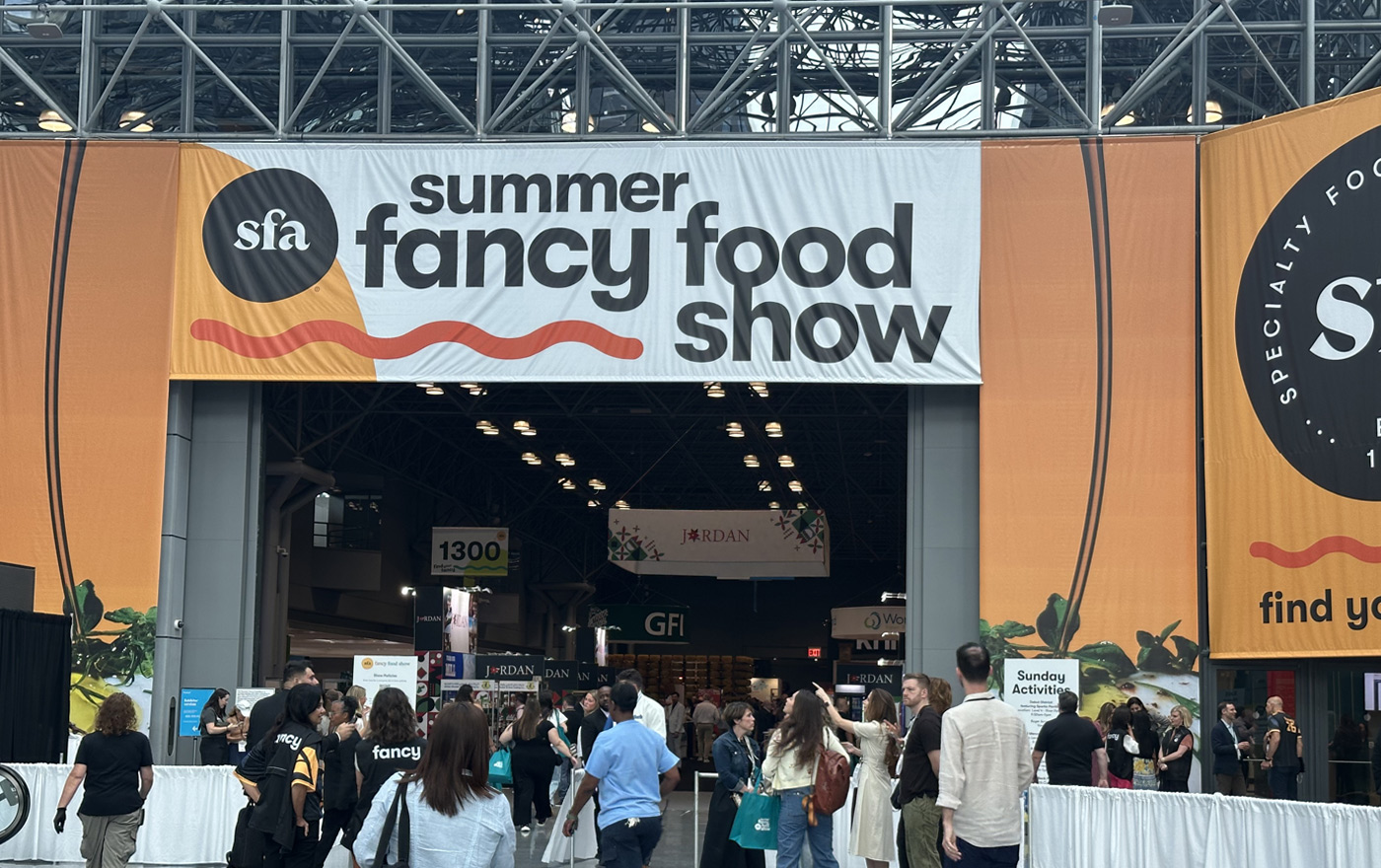
The 70th Summer Fancy Food Show ran June 28-30, 2026, and the Specialty Food Association said it drew 32,000 industry professionals and 2,529 exhibitors in New York. For AI and data teams, the useful signal is that specialty-food discovery is moving beyond shelf placement into retailer data, short-form commerce, and AI-assisted search. The Shelby Report's show recap, NIQ's event material, and Naturally Network's panel listing all point to buyers asking brands for stronger retail readiness, clearer product data, and better proof of demand. That makes metadata quality, multimodal product content, feed freshness, and TikTok Shop attribution more important for teams building retail search, recommendation, and marketplace analytics systems.
The data-team angle is not that a food trade show mentioned AI; it is that specialty retail discovery is becoming a measurable, multi-channel ranking problem. For CPG and marketplace teams, the durable takeaway is to treat product metadata, social-commerce signals, and AI-assisted search behavior as inputs to discovery systems, not as separate marketing side channels.
What happened
The Specialty Food Association said through PR Newswire that the 70th Summer Fancy Food Show ran June 28-30, 2026, at New York's Javits Center, with more than 32,000 industry professionals, 2,529 exhibitors from 57 countries, more than 700 product debuts, and 421 new exhibitors. The Shelby Report's July 8 recap framed the show around a fragmented retail market, citing Sherry Frey of NielsenIQ and Nick McCoy of Whipstitch Capital on grocery sales moving toward Amazon, mass merchandisers, and warehouse clubs. FoodNavigator-USA separately reported that NielsenIQ sees retail fragmentation, online shopping growth, and changing consumer trust as openings for specialty brands.
Technical context
The machine-learning implication is practical rather than frontier-model related. Product discovery systems need clean claims, ingredient, nutrition, provenance, image, and sensory metadata; recommender pipelines need fresher engagement signals from channels such as short-form video and marketplace search; and analytics teams need attribution that distinguishes retailer-driven discovery from platform-driven discovery. NIQ and Naturally Network's panel materials also emphasized that AI can support retailer efficiency while still falling short in some relationship-heavy buying decisions.
For practitioners
Retail and marketplace teams should test whether richer catalog attributes improve search recall, embedding quality, and conversion for niche products before assuming generic product descriptions are enough. Specialty brands using TikTok Shop or similar channels should instrument views, saves, shares, click-through, and repeat purchase as separate features rather than rolling them into one broad social metric.
What to watch
The clearest follow-up signal will be whether retailers use digital discovery data to change assortment decisions after the show. Watch for buyer pilots around AI-assisted product screening, short-form commerce conversion benchmarks, and vendor tooling that turns product content into cleaner search and recommendation features.
Key Points
- 1The show frames specialty-food discovery as a data problem spanning product metadata, retailer constraints, social video, and AI-assisted search.
- 2SFA's official numbers confirm a large discovery venue, but the AI signal comes mainly from session and recap coverage.
- 3Retail ML teams should test feed freshness, multimodal product attributes, and TikTok Shop attribution before treating AI shopping as settled.
Scoring Rationale
This is a solid industry-application signal rather than a major AI platform event. It is relevant for retail, marketplace, and CPG data teams because discovery, attribution, and metadata quality are moving into AI-assisted shopping channels, but the impact remains sector-specific and supported mostly by event and trade coverage.
Sources
Public references used for this report.
Practice with real Ad Tech data
90 SQL & Python problems · 15 industry datasets
250 free problems · No credit card
See all Ad Tech problems