SpaceX Partners With Nvidia on Starmind AI1 Compute Payload
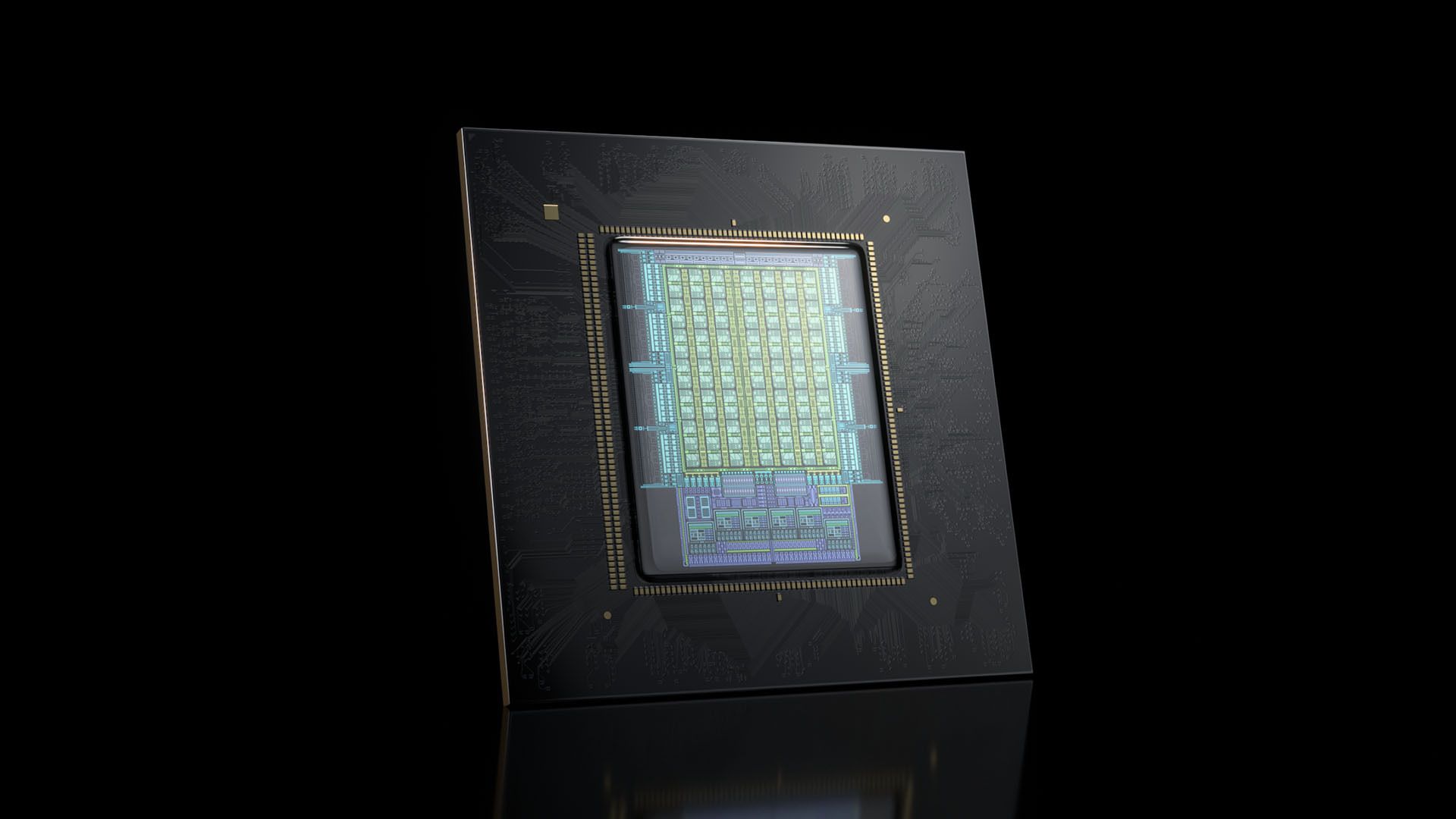
SpaceX said Aug. 4 that it is partnering with Nvidia to design the compute payload for its planned Starmind AI1 satellite, with Rubin GPUs and Vera CPUs named for each spacecraft. The announcement identifies a planned hardware architecture; it does not demonstrate deployed orbital capacity or measured in-orbit performance.
SpaceX said on August 4 that it is partnering with Nvidia to design the compute payload for Starmind AI1, a planned satellite for data-center-class computing in orbit. The company's announcement names Nvidia Rubin GPUs and Vera CPUs for each Starmind satellite. Nvidia separately identifies the Starmind payload as part of its Vera Rubin space-computing program.
A disclosed hardware plan, not a deployed service
The announcement establishes a planned accelerator and CPU architecture for AI1. It does not establish that a Starmind satellite is operating, provide a launch date, or disclose a measured in-orbit throughput figure. An independent report of the August announcement likewise describes the partnership and planned payload, rather than a completed orbital deployment.
That distinction matters for infrastructure evaluation. A named processor architecture can guide software and supply-chain expectations, but it does not resolve radiation tolerance, thermal management, power delivery, fault recovery, or communications performance in a satellite environment. The retrieved sources do not provide public benchmarks, a model-serving stack, storage design, or an operational satellite count.
Broader Nvidia commitments remain forecasts
Separate reporting on SpaceX's August earnings call adds context beyond Starmind AI1. Axios reported that Elon Musk said the company planned to build its broader AI infrastructure exclusively with Nvidia chips and projected up to 10 gigawatts of computing power by the end of 2027. Those statements are company plans for a wider buildout, not evidence that Starmind has that capacity or that an orbital network has been deployed.
For practitioners, the material development is the choice of Nvidia hardware for the announced payload. The next evidence threshold is much higher: a launched system with disclosed workload tests, measured reliability, and enough operational detail to compare orbital compute with terrestrial alternatives.
Key Points
- 1SpaceX named Nvidia Rubin GPUs and Vera CPUs for the planned Starmind AI1 satellite compute payload.
- 2The announcement does not establish operational satellites, in-orbit performance, or a completed launch schedule.
- 3SpaceX's broader Nvidia-only infrastructure plan and up-to-10-GW 2027 target are forward-looking and distinct from Starmind capacity.
Scoring Rationale
SpaceX's official Starmind AI1 hardware announcement links a major accelerator platform to an orbital-compute program. The specific Nvidia architecture is material, while schedule, measured performance, reliability, and large-scale capacity remain prospective.
Sources
Primary source and supporting public references used for this report.
View 1 more source
Practice interview problems based on real data
1,625 SQL & Python problems across 15 industry datasets — the exact type of data you work with.
Try 250 free problems