SpaceX, OpenAI, Anthropic Reshape IPO Market Dynamics
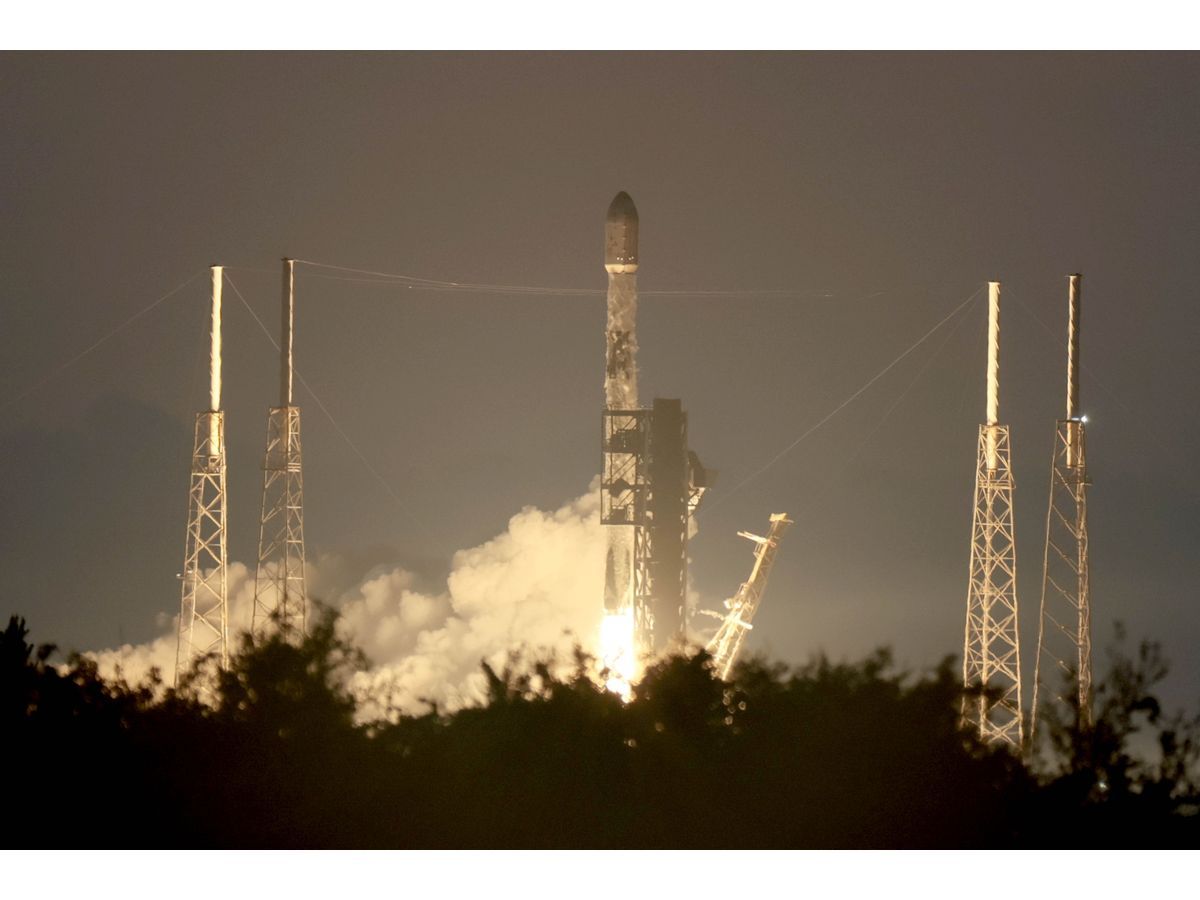
A cluster of megacap IPOs, led by SpaceX and followed by AI labs OpenAI and Anthropic, is reshaping how U.S. equity markets prepare for new listings, per reporting from Bloomberg, Reuters, the AP, the FT, and others. SpaceX is set to debut on Nasdaq around June 12 at roughly $135 per share and a valuation near $1.75 trillion, aiming to raise about $75 billion, the largest IPO on record. Reuters reports large mutual and passive index funds are building cash and preparing to sell holdings ahead of the listings. In a key ruling, S&P Dow Jones Indices declined to fast-track entry, keeping its 12-month seasoning and profitability requirements; Bloomberg Intelligence estimates the trio will miss roughly $27 billion in forced passive buying as a result. AP-cited filings show SpaceX with $18.7 billion revenue and a $2.6 billion operating loss in 2025, with its AI segment (xAI) losing about $6.4 billion.
What happened
A wave of megacap IPOs, led by SpaceX and expected to be followed by AI labs OpenAI and Anthropic, is forcing investors and index providers to rethink how very large companies enter public markets, according to reporting from Bloomberg, Reuters, the AP, the Financial Times, and others. SpaceX is scheduled to begin trading on Nasdaq around June 12 at roughly $135 per share, a valuation near $1.75 trillion, and plans to sell about 555 million shares to raise close to $75 billion, which would be the largest IPO on record. (CNBC; Reuters; AP)
The financials
AP-cited regulatory filings show SpaceX generated $18.7 billion in revenue in 2025 with a $2.6 billion operating loss; its AI segment, xAI, recorded roughly $6.4 billion in operating losses, the main driver of the consolidated loss, while the core space and connectivity businesses were profitable. Reporting puts OpenAI near an $850 billion valuation and Anthropic approaching $1 trillion as both move toward listings later in 2026. (AP; Morningstar; WSJ)
The index ruling
In a decision watched closely by passive managers, S&P Dow Jones Indices rejected calls to fast-track the new megacaps, declining to shorten its 12-month seasoning rule, waive profitability requirements, or lower float minimums after a public consultation that closed in late May. As a result, SpaceX cannot enter the S&P 500 until it can show four quarters of positive GAAP earnings, likely no earlier than mid-2027, and OpenAI and Anthropic face the same test. Bloomberg Intelligence estimates the three companies collectively stand to miss roughly $27 billion in forced passive-fund buying that rapid inclusion would have triggered. (Investor's Business Daily; Ars Technica; Bloomberg)
Why index timing differs
Index governance, not company size, sets the clock, and providers diverge. Reporting notes Nasdaq revised its framework to admit new listings to the Nasdaq-100 after as few as 15 trading days, and FTSE Russell can add qualifying names in as little as five days, whereas S&P held its longer, profitability-gated line. That means a stock could enter some benchmarks quickly while waiting more than a year for S&P 500 inclusion. (Reuters; FT)
Market mechanics
Editorial analysis - market mechanics
Passive funds that track benchmarks must either hold extra cash to buy newly eligible mega-issuers or sell other large-cap positions to fund them, a dynamic Reuters reports some managers are already preparing for. Although a new constituent's initial index weight is small, reallocations across large-cap portfolios can divert tens of billions of dollars from existing holdings, an effect Bloomberg highlighted in coverage of Research Affiliates' Rob Arnott, who warned the listings could weigh on other stocks for years. (Reuters; Bloomberg)
Context and significance
The combined size of a successful SpaceX float alongside OpenAI and Anthropic listings would concentrate an unusual amount of market capitalization entering public markets in a short window, feeding a broader debate about whether public equity is the cheapest financing path for capital-intensive AI and space ventures. AP coverage underscores that several of these companies remain deeply loss-making at scale. (AP; FT)
What to watch
Observers should track fund-level cash balances and announced sell programs (Reuters), formal index-governance announcements (Investor's Business Daily, FT), and the actual S-1 disclosures confirming float sizes and valuations (AP and company filings). Useful market signals include passive-fund turnover, implied volatility in large-cap indexes, and early aftermarket trading once SpaceX lists.
For practitioners
Industry observers note that multiple near-simultaneous megacap listings tend to raise implementation complexity for portfolio rebalancing and risk models, and comparable episodes have produced temporary liquidity strains and elevated index-rebalancing costs. All company-specific figures above are attributed to the cited reporting and filings; analytical paragraphs are LDS editorial commentary framed as industry-wide patterns, not assertions about any company's private intentions.
Key Points
- 1SpaceX leads a megacap IPO wave (with OpenAI and Anthropic), debuting near $1.75T around June 12; S&P denied all three a fast-track.
- 2Index-governance rules, not company size, set timing: S&P kept 12-month seasoning and profitability tests, unlike faster Nasdaq and FTSE Russell windows.
- 3Near-simultaneous mega-listings force passive-fund reallocation, with Bloomberg Intelligence estimating ~$27B in delayed index buying plus added rebalancing and liquidity risk.
Scoring Rationale
A cluster of record-setting megacap IPOs, SpaceX (around June 12 near $1.75 trillion) plus AI leaders OpenAI and Anthropic, materially affects index governance, passive-fund flows, and portfolio implementation; S&P's refusal to fast-track them is estimated by Bloomberg Intelligence to delay roughly $27 billion in passive buying. It is highly relevant to finance- and AI-adjacent practitioners and imminent, though it is market-structure and capital-markets news rather than a technical AI breakthrough, keeping it major but not paradigm-shifting.
Sources
Public references used for this report.
View 13 more sources
- Why It Matters if OpenAI or Anthropic Wins the IPO Race - WSJwsj.com
- ‘Fast entry’ SpaceX, OpenAI and Anthropic IPOs to ignite Wall Street trading frenzyft.com
- S&P 500 rejects SpaceX, also blocking entry for OpenAI and Anthropicarstechnica.com
- SpaceX, Other Megacap IPOs Won't Get S&P 500 Fast Trackinvestors.com
- Mega-IPOs could signal market top as SpaceX preps float - CNBCcnbc.com
- When Will SpaceX, Anthropic, and OpenAI Join the S&P 500 Index?fool.com
- What advisors need to know about the coming mega IPOs | Envestnetenvestnet.com
- Do SpaceX, Anthropic and OpenAI Belong in Your Portfolio? You ...usfunds.com
- Anthropic IPO 2026 Guide: Everything You Need to Know and ...zacks.com
- SpaceX, OpenAI & Anthropic IPOs 2026 - INDmoneyindmoney.com
- SpaceX, OpenAI and Anthropic IPOs to weaken 'Magnificent Seven ...diyinvestor.net
- Why big tech IPOs — starting with SpaceX next week — could leave smaller retail investors holding the bagnypost.com
- 6 Charts on SpaceX's Pre-IPO Financialsmorningstar.com
Practice with real FinTech & Trading data
90 SQL & Python problems · 15 industry datasets
250 free problems · No credit card
See all FinTech & Trading problems