SpaceX IPO raises $85.7 billion after greenshoe
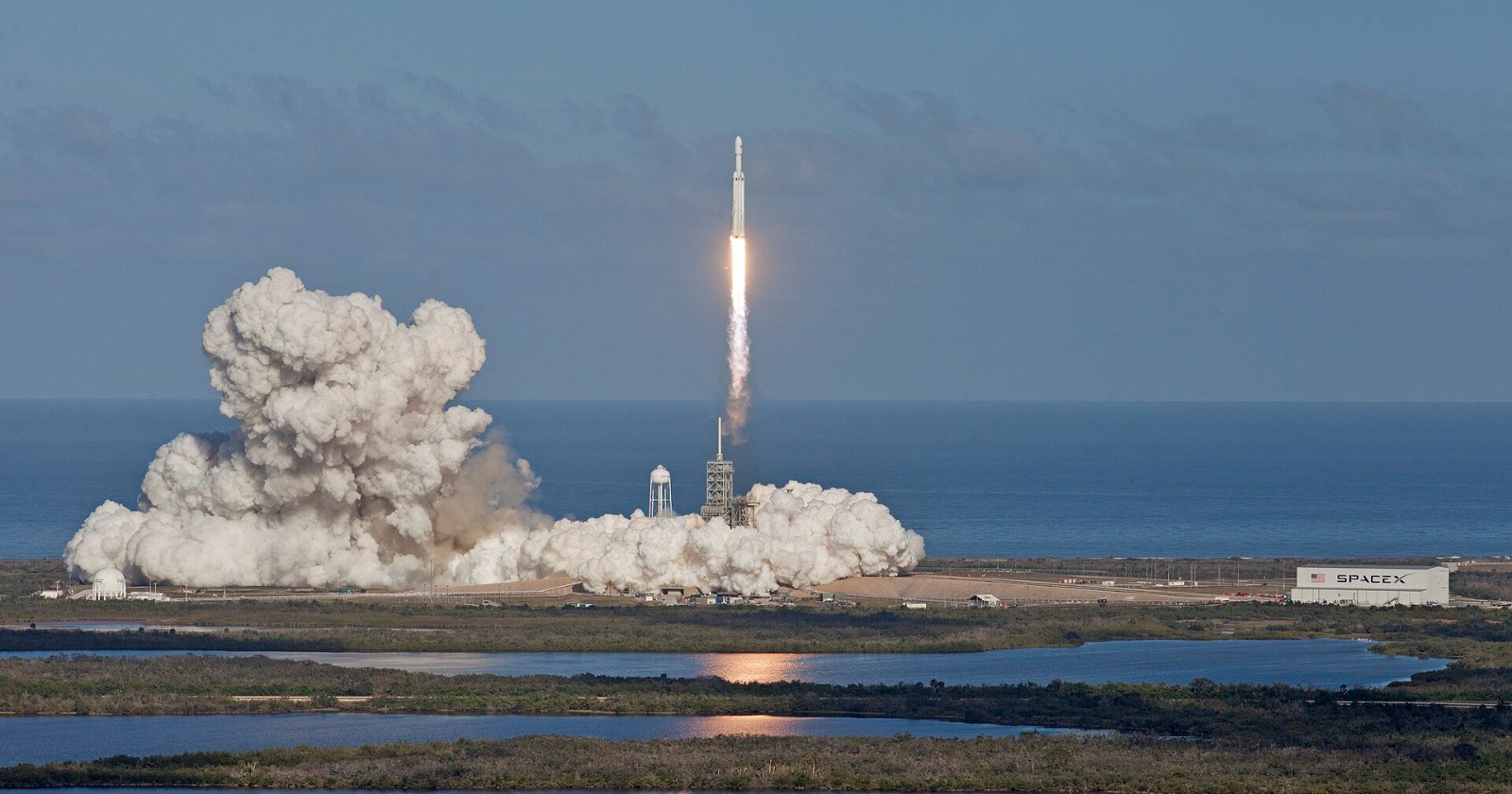
SpaceX completed its initial public offering on June 12, 2026, raising $75 billion at $135 per share. On June 15, CNBC, Reuters, and Investing.com reported that underwriters Goldman Sachs and Morgan Stanley exercised the standard overallotment option -- the 'greenshoe' -- purchasing an additional 83.3 million shares and bringing total IPO proceeds to $85.7 billion. The greenshoe exercise is standard practice when an IPO is oversubscribed: underwriters sell extra shares initially, then buy them from the issuer at the offering price if the stock holds above it, locking in additional capital. At $85.7 billion total, this ranks among the largest IPOs on record. SpaceX's Starlink satellite network and rocket manufacturing operations use AI and machine learning for routing, capacity management, and manufacturing quality control.
What Happened
SpaceX completed its initial public offering on June 12, 2026, raising $75 billion at $135 per share, according to CNBC. On June 15, CNBC and Reuters reported that underwriters Goldman Sachs and Morgan Stanley exercised the standard overallotment option -- commonly called a greenshoe -- purchasing an additional 83.3 million shares from SpaceX and bringing total IPO proceeds to $85.7 billion, per CNBC.
How the Greenshoe Works
A greenshoe option allows underwriters to sell more shares than the issuer originally planned. When demand is high, underwriters sell the overallotment shares into the market. If the stock price holds at or above the offering price after listing, underwriters exercise the option, buying those shares directly from the issuer at the offering price, directing additional proceeds to the company. Goldman Sachs and Morgan Stanley held this overallotment option on 83.3 million additional SpaceX shares, per CNBC.
Scale and Significance
At $85.7 billion in total proceeds, the SpaceX IPO ranks among the largest public offerings ever recorded, per market coverage. SpaceX's primary businesses include rocket manufacturing and launch services, the Starlink global satellite broadband network, and development of the Starship launch system. Starlink's global operation relies on machine learning for satellite routing, capacity optimization, and handoff management across its constellation. SpaceX also applies computer vision and reinforcement learning to rocket landing systems and manufacturing quality control.
What to Watch
Analysts and practitioners will track how SpaceX deploys the capital -- specifically any investments affecting Starlink's AI-driven network management, autonomous landing system development, or AI infrastructure for manufacturing. The IPO also signals broad investor appetite for large-scale technology platforms with embedded AI components, relevant context for how capital markets currently price AI-adjacent infrastructure.
Key Points
- 1SpaceX raised $75 billion at listing and $85.7 billion total after underwriters Goldman Sachs and Morgan Stanley exercised the greenshoe overallotment option.
- 2The greenshoe purchased 83.3 million additional shares at the $135 offering price, a standard mechanism when an IPO closes with excess demand.
- 3One of the largest IPOs on record, this reflects market appetite for AI-adjacent infrastructure platforms; capital deployment toward Starlink AI and manufacturing ML will be worth watching.
Scoring Rationale
SpaceX's $85.7 billion IPO is a landmark capital markets event but SpaceX is primarily a space and satellite company. The AI angle - Starlink's routing ML, Starship computer vision, and AI compute named as an intended use of proceeds - is real but secondary to the company's core business. Relevant to AI/DS practitioners as a market signal, not a direct AI capability development.
Sources
Public references used for this report.
Practice interview problems based on real data
1,625 SQL & Python problems across 15 industry datasets — the exact type of data you work with.
Try 250 free problems