Soderbergh Defends AI While Championing Human Art
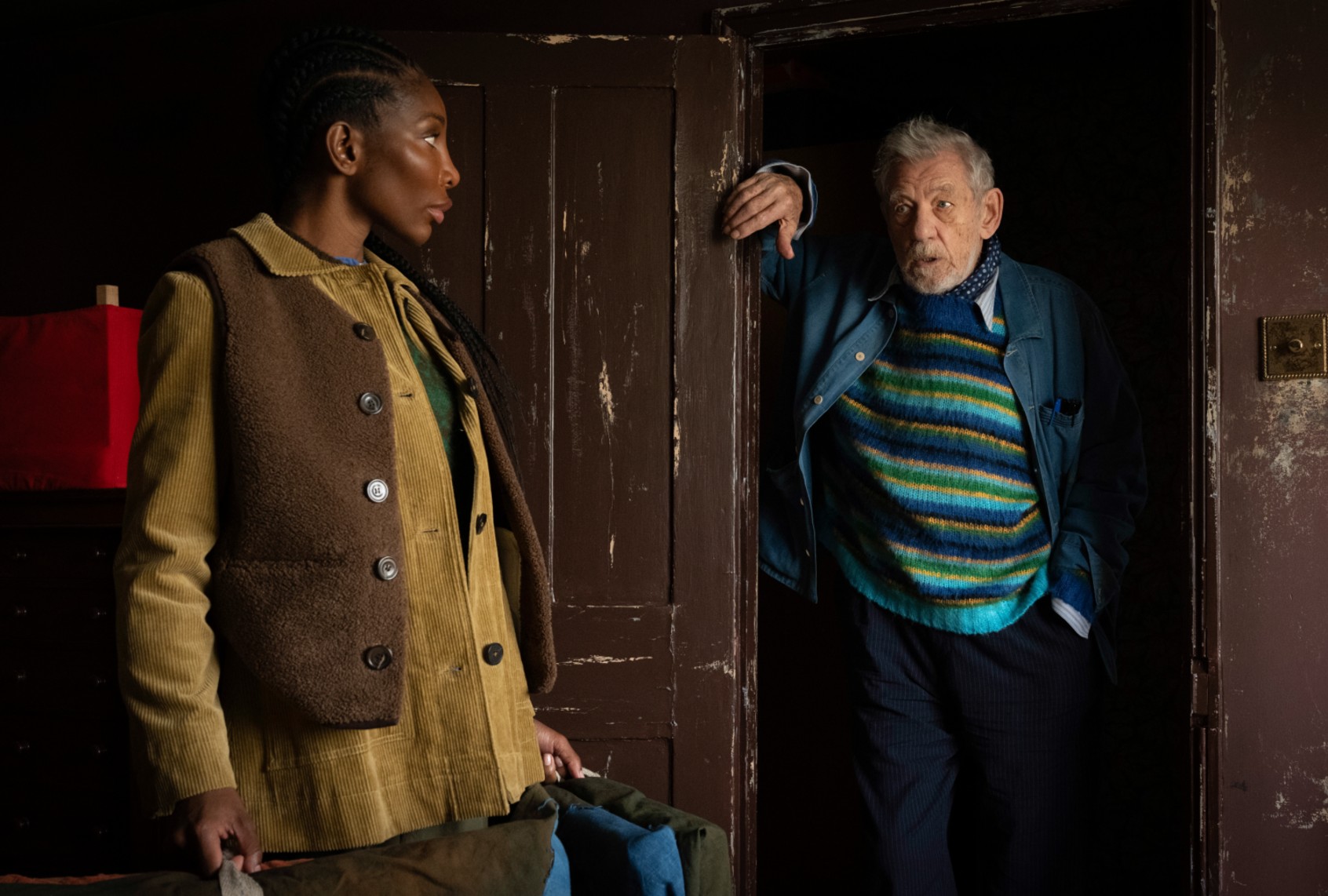
Steven Soderbergh publicly embraces AI for an upcoming documentary while releasing The Christophers, a small-scale drama that interrogates creativity and authorship. The film, starring Ian McKellen and Michaela Coel, centers on an aging painter and a mysterious assistant, using human performance and ambiguity to argue for the irreplaceable elements of artistic practice. Soderbergh says he is not threatened by AI and doubled down on generative tools' possibilities, but the press tour revealed friction: social media backlash frames AI as a labor risk for entertainment. For data practitioners working in media, the story crystallizes a pragmatic split, creators exploring hybrid production tools even as the industry debates ethics, credit, and job impacts.
What happened
Steven Soderbergh publicly defended his use of AI on an upcoming John Lennon documentary while opening his new film The Christophers, which foregrounds human creativity through the story of a past-his-prime painter and a mysterious assistant. The film stars Ian McKellen and Michaela Coel and opened in limited release on April 10. Soderbergh faced social media criticism for embracing AI tools, but he reiterated, "I'm just not threatened by it," and argued for the technology's creative potential.
Technical details
The interview and press coverage do not list specific tools, models, or vendors; Soderbergh described using generative techniques on a documentary project without naming APIs or model families. Practitioners should note three operational points:
- •Creative teams will mix human-driven direction, performance capture, and algorithmic assets in hybrid pipelines.
- •Absence of disclosed provenance, dataset consent, and model settings creates practical and legal ambiguity for rights, residuals, and attribution.
- •The film itself uses traditional production choices to highlight human nuance, suggesting directors will combine technical augmentation with conventional cinematography and acting rather than replace them.
Context and significance
This episode is a compact example of a broader industry trend: high-profile creators experimenting with generative tools while public debate centers on labor displacement, intellectual property, and ethics. Soderbergh's stance is influential because directors set norms for studios and vendors. For AI practitioners building media tooling, this means demand for features that support traceability, versioning, audit logs, and explicit rights metadata. It also signals commercial opportunity for tools that can integrate with existing edit and VFX pipelines while exposing configurable provenance hooks for compliance teams.
What to watch
Track whether Soderbergh or other A-list directors disclose specific toolchains, and whether guilds or studios push for formal provenance and compensation frameworks. Also watch for product announcements that embed rights metadata and consent tracking into creative workflows.
Key Points
- 1High-profile creators will adopt generative tools pragmatically, driving hybrid production workflows that combine AI and human craft.
- 2Lack of toolchain transparency raises immediate questions about provenance, rights, and compensation for contributors and performers.
- 3Demand will grow for media-oriented AI tooling that enforces audit logs, metadata, and integration with existing postproduction pipelines.
Scoring Rationale
This story matters to practitioners because it reflects mainstream adoption pressure in creative industries and highlights operational gaps-provenance, rights, and workflow integration. It is not a technical breakthrough, and the report is several days old, so its direct technical impact is moderate.
Sources
Public references used for this report.
Practice interview problems based on real data
1,625 SQL & Python problems across 15 industry datasets — the exact type of data you work with.
Try 250 free problems