Researchsleep eegmachine learningdementiabrain age
Sleep EEG Predicts Higher Dementia Risk
8.2
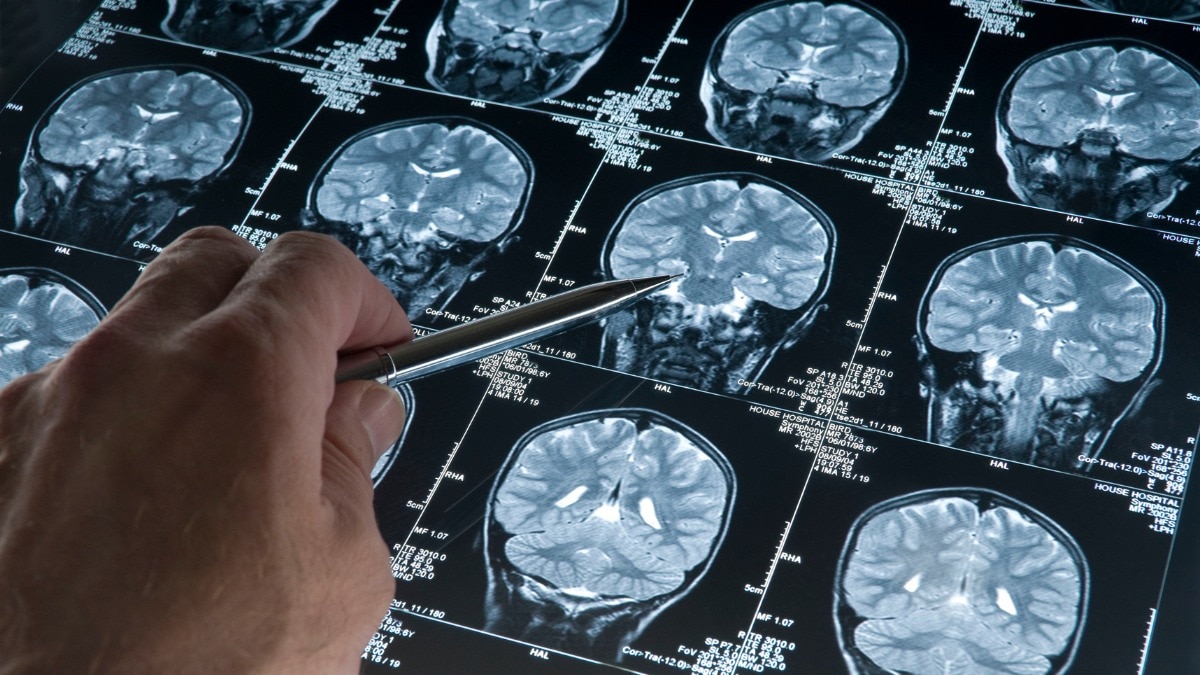
A UCSF and Beth Israel Deaconess study published March 19 used machine-learning on sleep EEGs from roughly 7,000 adults aged 40–94, tracked 3.5–17 years, to estimate 'brain age' and predict dementia onset. Researchers report that each 10-year gap where brain age exceeds chronological age raised dementia risk by nearly 40%, identifying delta waves, spindles, and kurtosis as predictive features.
Key Points
- 1Applied machine-learning to sleep EEG from ~7,000 adults aged 40–94 to estimate brain age
- 2Linked a 10-year brain-age gap to almost 40% higher dementia risk in longitudinal follow-up
- 3Suggests noninvasive EEG and wearables could enable earlier detection and preventive lifestyle interventions
Scoring Rationale
Strong longitudinal data and institutional credibility, but findings require clinical validation and broader replication.
Practice interview problems based on real data
1,625 SQL & Python problems across 15 industry datasets — the exact type of data you work with.
Try 250 free problems