Shashi Tharoor Moves Delhi HC Over Deepfakes
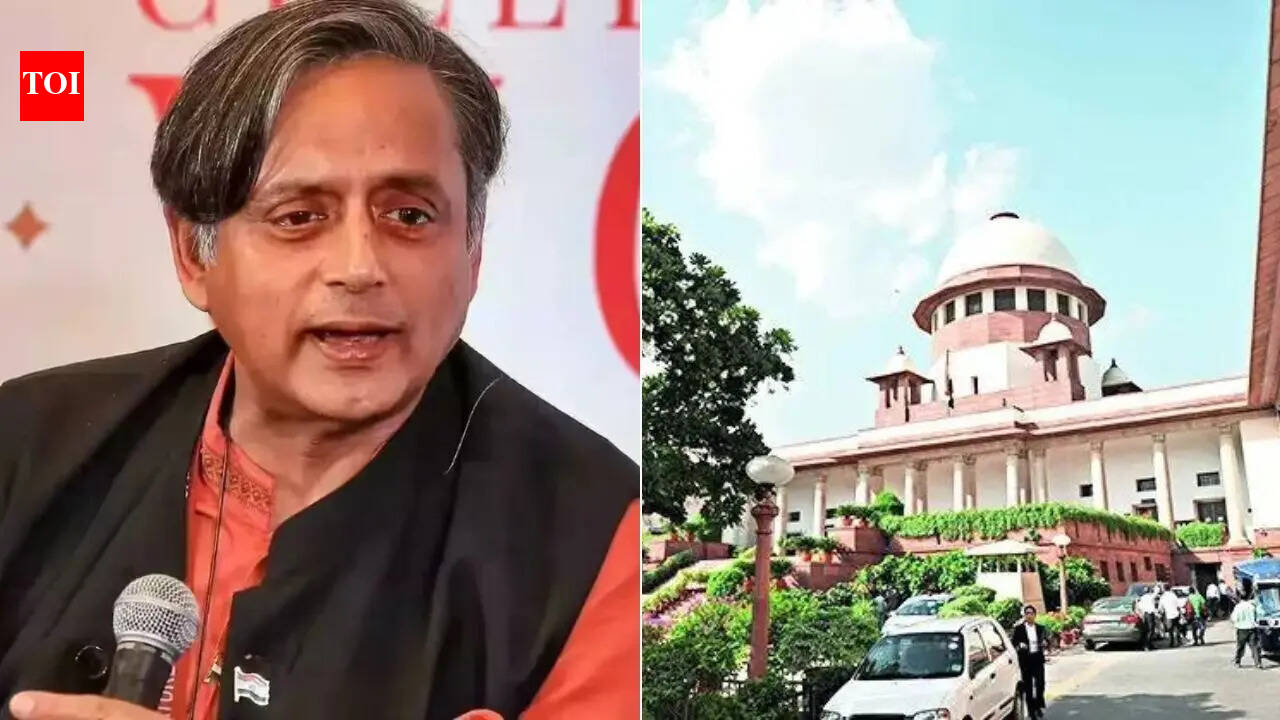
Per Daily Excelsior, Congress MP Shashi Tharoor on May 8 moved the Delhi High Court to stop publication of AI-generated deepfake videos that purportedly show him praising Pakistan and making politically sensitive statements. Daily Excelsior reports Justice Mini Pushkarna issued summons to social media platforms X and Meta Platforms and the Centre and indicated she would pass an interim order in his favour. Senior advocate Amit Sibal, appearing for Tharoor, told the court unknown entities were repeatedly publishing fake videos misappropriating Tharoor's face and voice; Sibal is quoted saying, "India Today and PTI have put publicly that these are fake videos, yet the public continues to have the impression that the videos are genuine and authentic." The suit alleges the campaign began around March 2026 and contends the content infringes personality and privacy rights. Counsel for Meta submitted that the offending Instagram content was made inaccessible this morning, per Daily Excelsior.
What happened
Per Daily Excelsior, Congress MP Shashi Tharoor on May 8 filed a lawsuit in the Delhi High Court seeking removal and prevention of publication of AI-generated deepfake videos that allegedly depict him praising Pakistan and making politically sensitive statements. Daily Excelsior reports Justice Mini Pushkarna issued summons to social media platforms X and Meta Platforms and the Centre, and indicated she would pass an interim order in Tharoor's favour. Senior advocate Amit Sibal, appearing for Tharoor, told the court unknown entities were repeatedly publishing fake videos misappropriating Tharoor's face, voice and mannerisms; Sibal is quoted saying, "India Today and PTI have put publicly that these are fake videos, yet the public continues to have the impression that the videos are genuine and authentic." The lawsuit alleges the campaign began around March 2026 and contends the content infringes personality and privacy rights. Per Daily Excelsior, counsel for Meta submitted that the offending content on Instagram was made inaccessible this morning.
Editorial analysis - technical context
Deepfake synthesis today commonly combines face and voice cloning models with audio-visual alignment, producing hyper-realistic output that can bypass casual verification. Industry-pattern observations note that detection tools and provenance systems (cryptographic signing, watermarking, provenance metadata) have uneven adoption across platforms, which complicates rapid takedown and attribution workflows.
Industry context
Legal filings by public figures over AI-generated media are increasingly used to force platform-level action and create judicial records about liability and remedial measures. Industry observers have tracked a growing number of similar cases that test how courts treat personality, publicity and privacy claims where the underlying technology enables rapid resynthesis and rehosting.
What to watch
Observers should follow whether the court issues an interim injunction and how platforms respond on notice-and-takedown, repeat-hosting, and source attribution. For practitioners, the case highlights the intersection of content-moderation engineering, forensic detection, and legal remedies when dealing with politically sensitive deepfakes.
Key Points
- 1High-profile legal challenges over AI deepfakes force platforms to reconcile takedown speed with repeat-hosting and cross-platform proliferation.
- 2Detection and provenance gaps remain the primary technical failure point for stopping reuploaded deepfakes at scale.
- 3Court outcomes in such suits will shape operational and compliance priorities for moderation, forensics, and authenticated media tooling.
Scoring Rationale
This is a notable legal escalation over AI-generated deepfakes involving a senior public figure and platform summonses, relevant to practitioners building detection, provenance, and moderation systems. It is not a paradigm-shifting technical development, but it could influence platform policy and engineering priorities.
Sources
Public references used for this report.
Practice interview problems based on real data
1,625 SQL & Python problems across 15 industry datasets — the exact type of data you work with.
Try 250 free problems