Seshadri Sen Flags AI Pressure On Indian IT
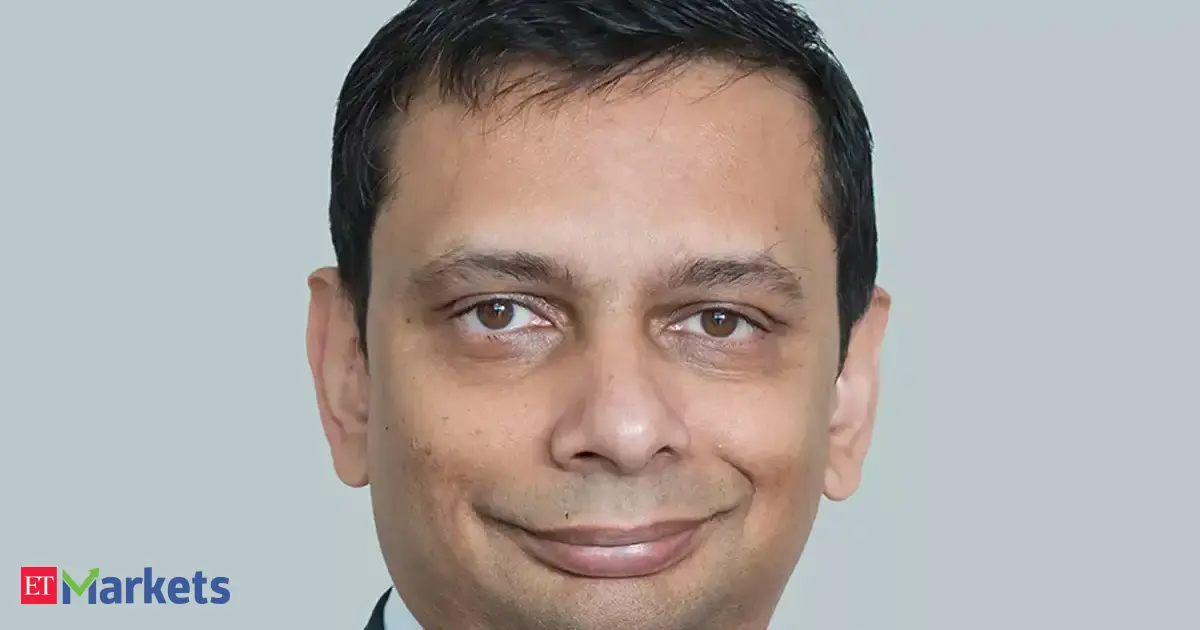
In an ET Now interview reported by The Economic Times, Seshadri Sen of Emkay Global Financial said the AI narrative has become the dominant overhang on Indian IT stocks, keeping valuations under pressure even when quarterly results are not showing clear earnings damage. The report notes Sen expects near-term pain to persist while long-term valuations look attractive, and he highlighted macro-watch items including transmission of earlier rate cuts and rural demand tied to the monsoon. The Economic Times reportage also records Sen preferring domestic consumption and industrials for the near term, and saying improved earnings breadth is likely into FY27.
What happened
In an ET Now interview covered by The Economic Times, Seshadri Sen, identified in the report as an analyst at Emkay Global Financial, said the market narrative that AI will structurally damage the Indian IT sector continues to weigh on stock prices. The Economic Times reports Sen argued that the results companies are reporting "are doing nothing to dispel that fear among investors," keeping IT valuations under pressure. The coverage also records Sen emphasising that the transmission of earlier rate cuts, rather than fresh easing, will be a key theme, and flags rural demand/monsoon as a monitorable macro factor. The article states Sen prefers domestic consumption and industrials and expects improving earnings breadth into FY27, per the ETMarkets write-up.
Editorial analysis - technical context
Industry-pattern observations: Market narrative effects often outlast measurable operational impact in technology sectors, especially when a disruptive technology like AI is widely discussed. For practitioners, this can mean a longer interval between observable productivity gains from AI pilots and corresponding investor confidence, because adoption, client contracting cycles, and measurable margin effects typically lag proof-of-concept work.
Context and significance
The Economic Times piece frames this as a market-sentiment story rather than a reported collapse in fundamentals. That distinction matters for data and ML teams embedded in services firms: workflow automation and model-driven efficiencies change headcount and pricing dynamics gradually and unevenly across service lines. From a portfolio perspective, reported analyst preference for domestic cyclicals and industrials reflects near-term macro sensitivity rather than a sectoral verdict on technical viability of AI in services.
What to watch
Editorial analysis
Observers should track three observable indicators:
- •client contract disclosures that explicitly tie pricing or scope to AI-enabled automation
- •sequential margin movements in IT services segments tied to labor arbitrage versus automation
- •signs of renewed demand from rural/consumption channels if monsoon-driven income proves supportive. Media commentary and analyst calls like Sen's are useful early-warning signals of sentiment shifts, but they should be cross-checked against contract-level and revenue-mix data from company filings
Practical takeaway for practitioners
Industry context
Teams building production AI should expect a period where investor sentiment outpaces measurable business outcomes. That gap typically incentivises firms to focus on reproducible ROI case studies, clear measurement of automation impact, and tighter coupling of outcomes to client SLAs. Those are generic patterns observed across past technology transitions and are not claims about any single firm's internal roadmap.
Key Points
- 1Analyst Seshadri Sen says AI fears are the primary overhang on Indian IT valuations, even without clear earnings damage reported.
- 2Sentiment-driven pressure can persist longer than operational disruption, meaning observable margin effects may lag AI adoption by months to years.
- 3Observers should monitor client contract language, margin mix by service line, and rural demand tied to monsoon for concrete signs of sector recovery.
Scoring Rationale
Analyst market commentary on AI sentiment overhang for Indian IT stocks. The AI angle is real - the concern that AI automation displaces IT services revenue - but this is a financial analysis piece rather than a concrete AI development, deployment, or product event. Seshadri Sen is a credible voice (Head of Research, Emkay Global) and the observation is relevant to practitioners tracking AI adoption cycles, but the story does not introduce new facts or developments.
Sources
Public references used for this report.
Practice with real FinTech & Trading data
90 SQL & Python problems · 15 industry datasets
250 free problems · No credit card
See all FinTech & Trading problems