Scammers Exploit AI and Call Centers to Defraud Americans
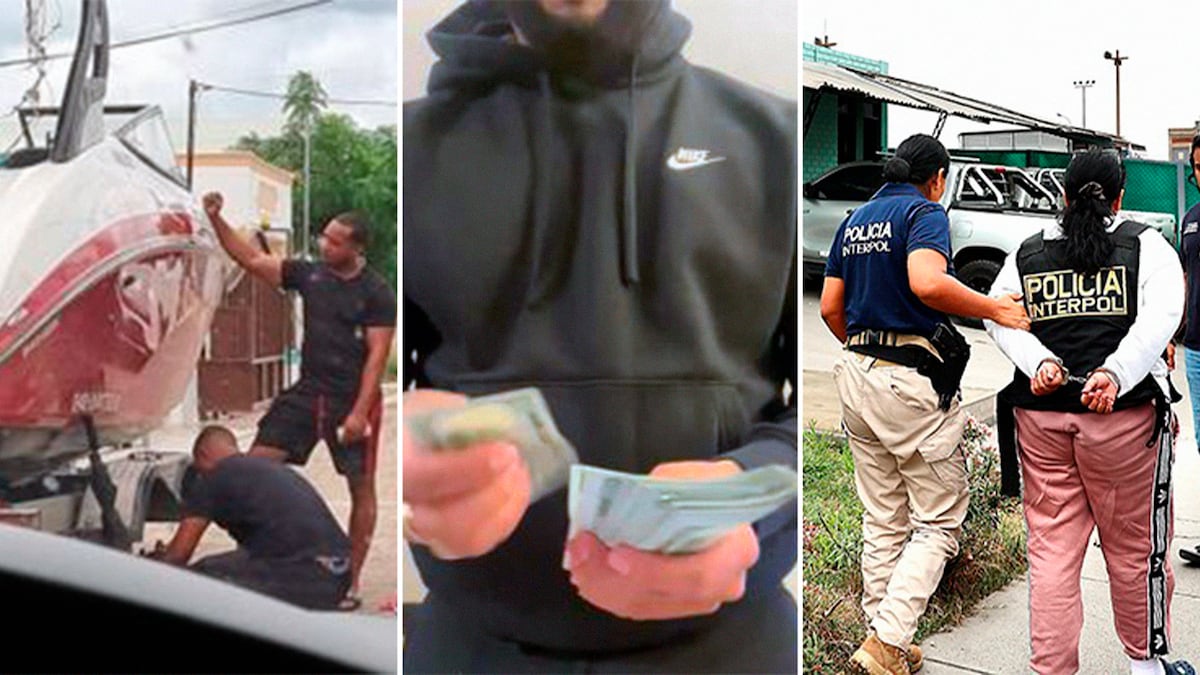
According to El País, organized fraud rings using clandestine call centers, scripted social-engineering and some artificial intelligence have carried out large-scale scams against U.S. residents. El País reports FBI statistics showing growth from 49,000 reports and nearly $18 million in losses in 2001 to one million complaints and $20.8 billion in losses in 2025. The article describes a case the FBI alleges involved call centers in Santiago de los Caballeros and Puerto Plata, Dominican Republic, that defrauded more than 400 elderly people; a photograph shown by authorities reportedly displayed $189,250 in cash and the victims' average age was 84, per El País. El País reports the schemes used impersonation (relatives, lawyers, ICE), courier or ride-share dropoffs, English-speaking operators, scripted dialogs and some AI-assisted techniques. El País reports U.S. authorities are collaborating with foreign agencies to locate and arrest suspects.
What happened
According to El País, organized fraud rings operating from clandestine call centers have executed high-volume scams against U.S. residents. El País reports FBI statistics documenting a rise from 49,000 complaints and nearly $18 million in losses in 2001 to one million complaints and $20.8 billion in losses in 2025. El País reports a case the FBI alleges involved operations run from houses in Santiago de los Caballeros and Puerto Plata, Dominican Republic, that targeted more than 400 elderly victims; a photo attributed to authorities reportedly showed $189,250 in cash and an average victim age of 84. El País reproduces one call script used in the scams: "Hi, Grandpa. It's me, your grandson... I came to a friend's funeral... On the way out, a driver ran a red light and I hit her car." El País reports the incidents included impersonation of lawyers and immigration agents, English-speaking operators, scripted follow-ups, couriers and ride-share handoffs, and some use of artificial intelligence.
Technical details
El País reports the operations used standardized scripts and role specialization-operators making initial emotional-appeal calls and follow-up callers posing as legal or law-enforcement figures. The article states that operators demanded cash sent by courier or handed to unsuspecting ride-share drivers. El País reports English-speaking staffing and that operations demanded ever-increasing results from operators.
Editorial analysis - technical context
For practitioners: organized call-center fraud that combines scripted workflows, role specialization and lightweight AI (for scripting or voice assistance) materially raises volume and multilingual reach. Detection teams face classic social-engineering signals (rapid escalation of emotional narratives, multiple caller personas, courier-based cash flows) that are harder to block than single-channel automated attacks.
Context and significance
El País frames these reports against an upward trend in fraud losses reported to the FBI, culminating in $20.8 billion reported for 2025. The scale and professionalization of these rings - localized call centers, English-capable staffing, and money-movement accomplices - illustrate a shift from ad-hoc scams to organized, repeatable fraud operations. For payments, fraud-detection and identity teams, the combination of human voice, coached narratives and physical cash collection changes detection surface and escalation vectors compared with purely online scams.
What to watch
El País reports that U.S. authorities are coordinating with foreign partners to pursue arrests; observers should track law-enforcement actions, prosecution filings, and any public disclosures of call patterns or account flows. Industry observers will also watch for increases in courier- or ride-share-linked money movement, reported abuse of trusted third parties, and documented uses of AI in call scripting or voice presentation, as reported by media and court filings.
Key Points
- 1Organized call-center operations plus scripted workflows let fraudsters scale social-engineering attacks into high-volume losses.
- 2Use of AI for scripting or voice assistance lowers operational barriers and increases multilingual reach, complicating voice-based authentication.
- 3Couriers and ride-share dropoffs, combined with elderly targets, create physical money-movement patterns that detection systems and investigators must monitor.
Scoring Rationale
The story documents large-scale, organized fraud with $20.8 billion in reported losses for 2025 and tactics that affect fraud detection, payments and identity systems. It is notable for practitioners though not a frontier-technology breakthrough.
Sources
Public references used for this report.
Practice interview problems based on real data
1,625 SQL & Python problems across 15 industry datasets — the exact type of data you work with.
Try 250 free problems