Researchpaleoecologymorrison formationsauropod
Sauropod Parents Abandon Hatchlings Fueling Predators
5.3
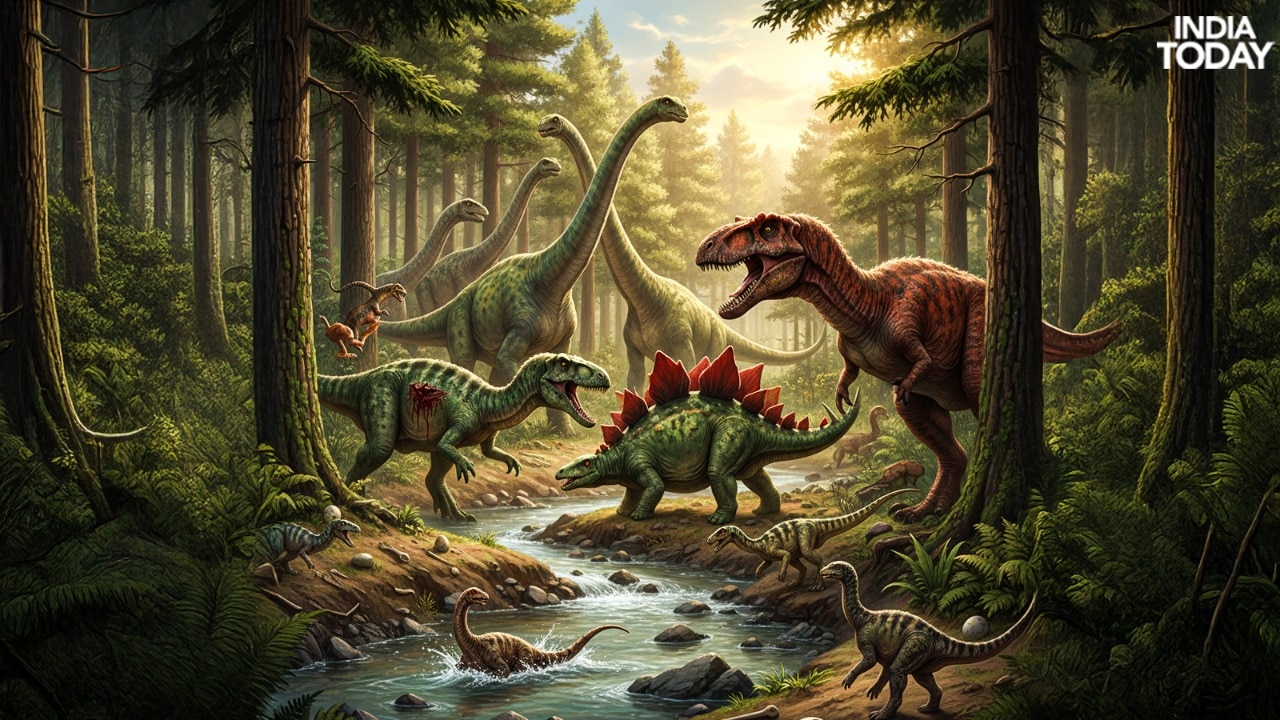
A new study led by University College London, published Feb. 1, 2026 in the New Mexico Museum of Natural History and Science Bulletin, maps Late Jurassic food webs in the Morrison Formation. Researchers analyzing Dry Mesa fossils found baby sauropods served as the primary prey for predators such as Allosaurus and Ceratosaurus, enabling predator survival and influencing later T. rex evolution.
Key Points
- 1Maps juvenile sauropods as primary prey in the Late Jurassic Morrison Formation using Dry Mesa fossils.
- 2Demonstrates Allosaurus and ceratosaurs depended on hatchlings, sustaining injured predators and population stability.
- 3Suggests decline of easy juvenile prey over time pressured predators, influencing later T. rex hunting specializations.
Scoring Rationale
New palaeontological evidence with credible publication supports a notable ecological claim, but relevance beyond paleontology is limited.
Practice interview problems based on real data
1,625 SQL & Python problems across 15 industry datasets — the exact type of data you work with.
Try 250 free problems