San Francisco March Calls for a Coordinated AI Training Pause

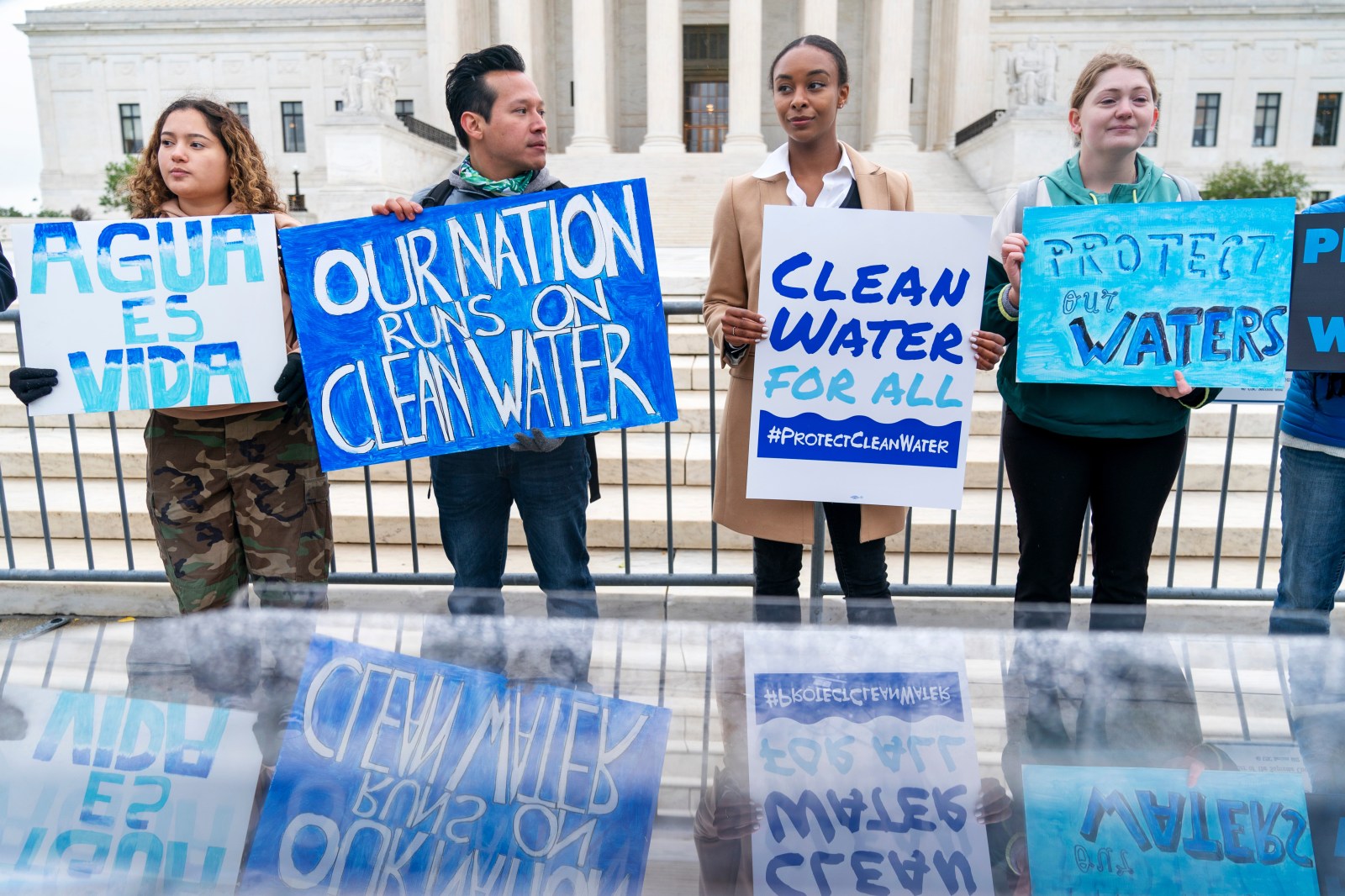
Stop The AI Race organized a July 11 march from OpenAI to Anthropic and Google DeepMind in San Francisco. The official event listing asked the companies' leaders to commit to stopping development of more powerful AI if other major labs made the same commitment. Independent reports placed attendance between more than 100 and about 200 people, showing crowd estimates differed by outlet. Organizers connected the request to AI safety, jobs, energy use, housing, and the influence of large technology companies. The march demonstrates growing public pressure, but not a settled policy design. LDS explains the operational questions any pause proposal must answer: which training runs are covered, who verifies compliance, what safety work remains allowed, how international coordination works, and what conditions end the pause.
What happened
Stop The AI Race organized a July 11 march from OpenAI to Anthropic and Google DeepMind in San Francisco. The official event listing routed participants between the companies' offices and asked their leaders to make a conditional commitment: stop developing more powerful AI if other major AI companies agree to do the same.
Independent reports placed attendance between more than 100 and about 200 people, showing crowd estimates differed by outlet. Decrypt reported that organizers wanted frontier labs to pause training more powerful models while keeping existing systems available. The San Francisco Standard independently described the completed route and the mix of safety, labor, environmental, and local concerns raised by participants.
Policy context
A coordinated training pause is narrower than shutting down deployed AI products, but the boundary still needs precision. Model capability can increase through larger training runs, post-training, new tools, additional inference-time computation, or better data. A policy that names only one method could move development rather than reduce the targeted risk.
| Policy question | Why it matters | Evidence needed |
|---|---|---|
| Scope | Labs need a shared definition of covered development | Compute, capability, and deployment thresholds |
| Verification | Voluntary promises need auditable compliance | Independent reporting and protected inspections |
| Safety work | Risk reduction must continue during a pause | Explicit exemptions and controlled test environments |
| Coordination | One laboratory acting alone may not change competition | Comparable commitments across jurisdictions |
| Exit criteria | A pause cannot rely on an undefined future state | Measurable safeguards and review dates |
Editorial analysis
The march is evidence of political and civic pressure, not evidence that a particular pause design is feasible or sufficient. The practical policy challenge is converting a broad demand into rules that can be measured without blocking defensive research, incident response, or evaluation of already deployed systems.
LDS recommends evaluating pause proposals against scope, verification, international coordination, safety research allowances, enforcement, and exit criteria. Policymakers should also distinguish model training, deployment, access, and high-risk uses because each may require different controls.
What to watch
Watch for formal commitments from frontier labs, specific legislative proposals, definitions tied to compute or capability, third-party audit mechanisms, and participation beyond one city or country. The size of a march can show salience; the durability of any policy will depend on whether its obligations are technically clear, internationally credible, and independently verifiable.
Key Points
- 1The official event listing routed the march from OpenAI to Anthropic and Google DeepMind around a conditional development-pause request.
- 2Independent reports placed attendance between more than 100 and about 200 people, showing crowd estimates differed by outlet.
- 3LDS recommends evaluating pause proposals against scope, verification, international coordination, safety research allowances, enforcement, and exit criteria.
Scoring Rationale
An impact score of 5.8 reflects a verified public action involving major AI labs, with policy significance but no binding commitment or enacted measure.
Sources
Primary source and supporting public references used for this report.
Practice interview problems based on real data
1,625 SQL & Python problems across 15 industry datasets — the exact type of data you work with.
Try 250 free problems