
DOJ Backs xAI Bid to Dismiss Clean Air Act Citizen Suit
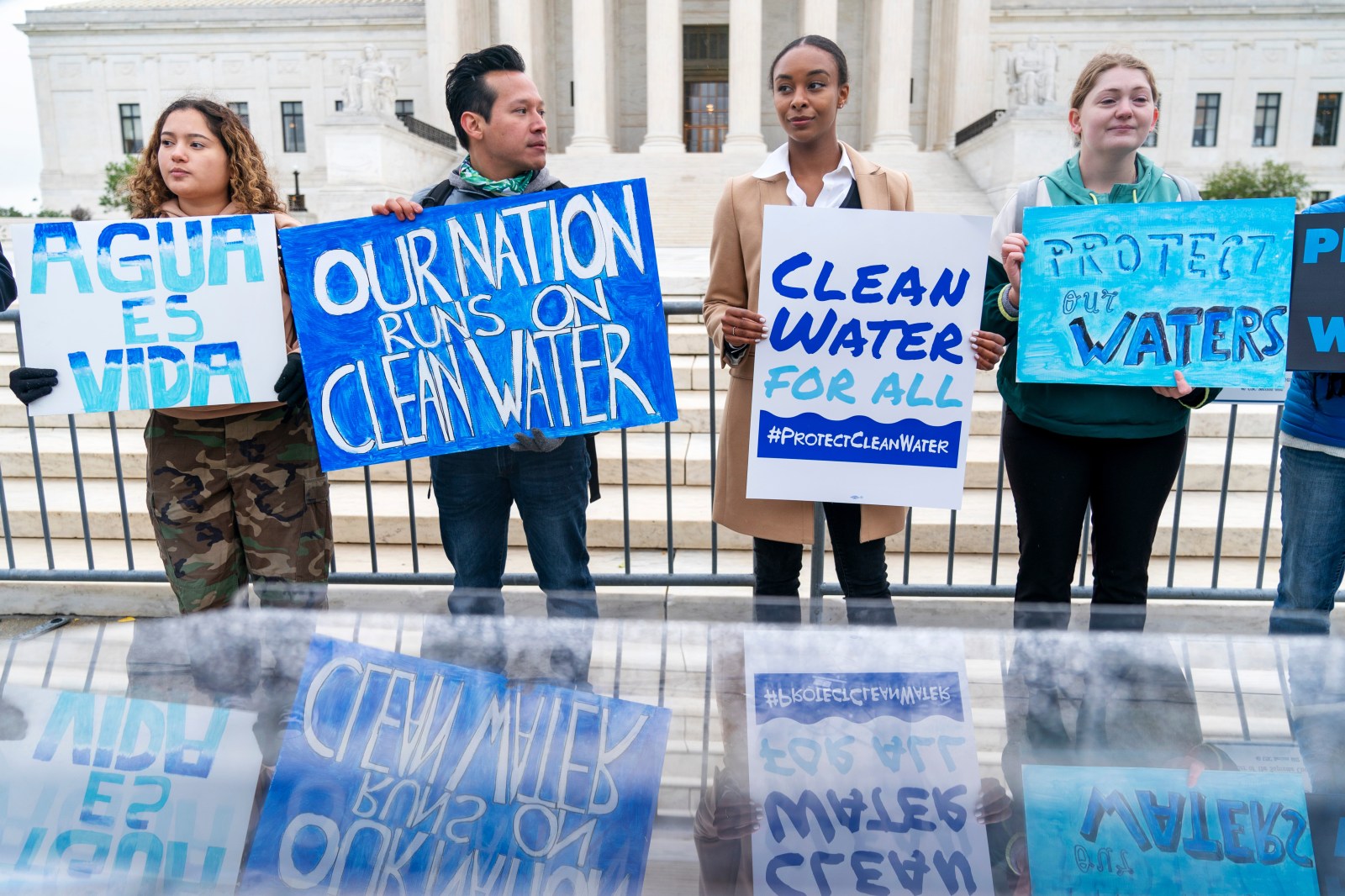
An August 8 Associated Press analysis highlights the Justice Department's June 15 bid to intervene and dismiss the NAACP's Clean Air Act lawsuit against xAI and MZX Tech over gas turbines powering Colossus 2 near Memphis. DOJ argues executive enforcement discretion can override the plaintiffs' citizen suit; the court has not ruled, leaving both the facility dispute and the broader legal theory unresolved.
An August 8 Associated Press analysis places xAI's Clean Air Act dispute within a broader set of challenges to citizen-suit enforcement. The specific xAI case began on April 14, when the NAACP and its Mississippi conference sued xAI and subsidiary MZX Tech in federal court over a gas-turbine power plant in Southaven, Mississippi, that supports the Colossus 2 data center near Memphis.
The complaint alleges that xAI and MZX Tech constructed and operated 27 gas-fired turbines without permits and pollution controls required by the Clean Air Act. The plaintiffs seek an order stopping operation until the companies obtain required permits, apply required controls, and comply with monitoring and reporting rules. Those are allegations in a pending case, not judicial findings. Mississippi regulators and the defendants dispute the plaintiffs' permitting position.
DOJ asks to intervene and end the case
On June 15, the Justice Department filed a motion to intervene and dismiss the lawsuit. The filing says the Clean Air Act lets the United States intervene in citizen suits and argues that Article II enforcement authority, federal policy, and national-security interests permit the executive branch to terminate the case. DOJ also says shutting down the turbines could affect power supporting Grok and Defense Department operations.
The motion makes a broader claim than a conventional disagreement about whether the turbines require permits: it argues that a private Clean Air Act enforcement action should not proceed when the federal government determines the suit conflicts with its enforcement priorities and the public interest. The court has not accepted that theory or ruled on the merits of the underlying permit allegations.
Why the citizen-suit argument matters
Citizen-suit provisions let private parties seek enforcement after statutory notice requirements are met, subject to limits that include government prosecution of the same violation. AP reports that four pending federal cases are testing related theories about executive control over such suits. Harvard's Environmental and Energy Law Program described the xAI intervention as the first time the United States had intervened in a citizen suit against a private defendant and argued that the action must be dismissed.
For AI-infrastructure operators, this case does not change any emissions standard, permit requirement, or current compliance duty. Its practical significance is procedural: if courts accept DOJ's theory, executive enforcement choices could narrow when communities or advocacy groups may litigate alleged violations themselves. If the theory is rejected, the NAACP's underlying Clean Air Act claims would still need to be resolved on their facts.
Key Points
- 1The NAACP's April 14 complaint alleges that xAI and MZX Tech operated 27 gas turbines in Southaven without Clean Air Act permits and controls; the court has not ruled on those allegations.
- 2DOJ's June 15 motion asks to intervene and dismiss the case, arguing executive enforcement authority can override the private citizen suit when federal policy and national-security interests point against it.
- 3The dispute currently changes no environmental standard or permit duty, but its outcome could affect who may bring future enforcement cases involving data-center infrastructure.
Scoring Rationale
The pending case directly involves power infrastructure for xAI's Colossus 2 data center and advances an unusual executive-control theory with possible consequences for private environmental enforcement. Its immediate technical impact is limited because no court has ruled and no compliance standard has changed.
Sources
Primary source and supporting public references used for this report.
Practice interview problems based on real data
1,625 SQL & Python problems across 15 industry datasets — the exact type of data you work with.
Try 250 free problems
