Samsung Details Gemini-Powered Intelligent Eyewear for Fall Release
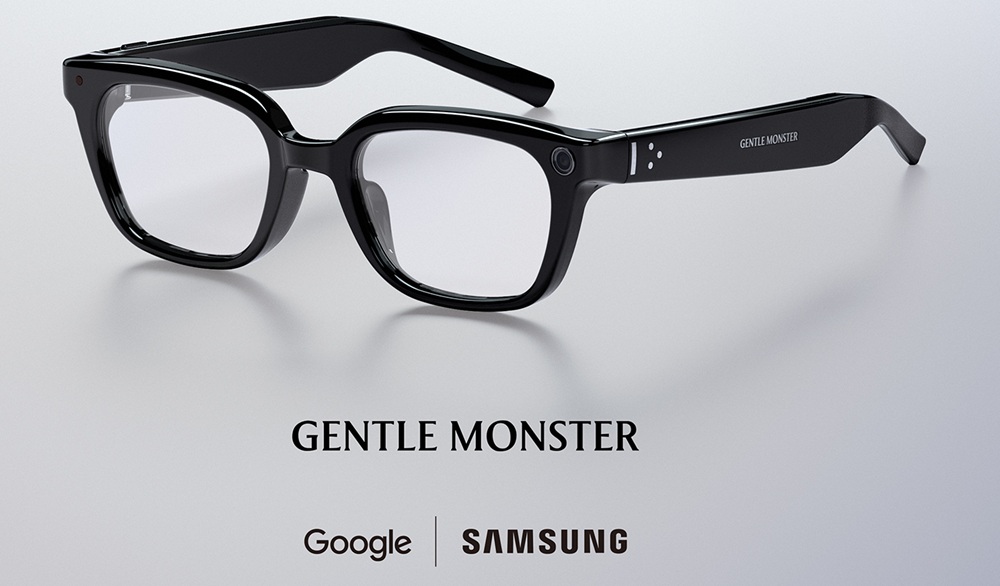
Samsung introduced its Gemini-powered Intelligent Eyewear at Galaxy Unpacked on July 22, showing camera-equipped Android XR glasses developed with Gentle Monster and Warby Parker. Samsung claims up to nine hours of battery life and plans a fall release; pricing, exact markets, weight, camera specifications and independent performance tests remain unavailable.
Samsung introduced its Intelligent Eyewear at Galaxy Unpacked in London on July 22, expanding on designs first shown with Google in May. The camera-equipped glasses run Android XR, use Gemini for contextual assistance and are being developed with Gentle Monster and Warby Parker.
Samsung and Qualcomm say the product line is scheduled to arrive this fall. Pricing, exact launch markets and a specific release date have not been announced.
Hardware and interaction model
The glasses use Qualcomm's Snapdragon AR1 Gen 1 platform and include a camera, microphones and speakers. Samsung describes voice, gesture and touch controls, with some interactions relying on connected Galaxy devices or supported apps.
Samsung claims up to nine hours of use on one charge and up to seven additional full charges from the case. Those figures vary with network conditions, features and settings, and have not been independently tested. E-Daily reports that Samsung did not disclose the exact weight, camera resolution or battery capacity at the event.
The product is intended to look more like everyday eyewear than a headset. Samsung showed additional Gentle Monster and Warby Parker frames at Unpacked, bringing the number of publicly revealed designs to four.
Advertised Gemini workflows
Samsung says the glasses can summarize messages, read information aloud, support live translation and provide location-aware guidance. The camera can capture material such as a whiteboard or meeting discussion and organize selected information in Samsung Notes. Users may also record first-person video or share what they see during a call.
These functions come with conditions. Samsung's footnotes say availability can depend on language, region, network access, compatible devices, apps, permissions and consent requirements. Public materials do not explain which processing runs on the glasses, a connected phone or cloud services.
What remains unresolved
The July announcement establishes the hardware platform, design partners and intended workflows, but it is not an independent performance test. Developers still lack public details about an SDK, application access, latency, data retention and regional availability.
Privacy implementation will be equally important because the product combines an always-available camera and microphones with contextual AI. Samsung says clear controls and safeguards will support responsible use, but it has not yet published enough technical detail to evaluate those protections. The fall release will therefore be a test of both multimodal usefulness and whether the product makes capture, consent and data handling understandable in everyday settings.
Key Points
- 1Samsung's Intelligent Eyewear combines Android XR, Gemini, a camera and Snapdragon AR1 Gen 1 in frames developed with Gentle Monster and Warby Parker.
- 2Samsung claims up to nine hours of battery life and plans a fall release, but pricing, exact markets and independent performance results remain unavailable.
- 3Advertised translation, navigation, note capture and visual sharing depend on supported devices, services, permissions and consent requirements.
Scoring Rationale
Samsung's entry expands Gemini and Android XR into a prominent consumer wearable category with implications for multimodal interfaces. The announcement is notable, but pricing, exact availability, developer access, privacy implementation and independent testing remain unresolved.
Sources
Primary source and supporting public references used for this report.
View 4 more sources
- Qualcomm and Samsung Expand Collaboration with Snapdragon Powering the New Galaxy Lineup Across Smartphones, Watches, and Intelligent Eyewearqualcomm.com
- Samsung Unveils Its First AI Glasses — Up to 9 Hours on a Single Chargeen.edaily.co.kr
- Samsung announces latest smart glasses with Geminiitmedia.co.jp
- Samsung unveils privacy-first smart glasses to counter backlash against Meta glasseslatimes.com
Practice interview problems based on real data
1,625 SQL & Python problems across 15 industry datasets — the exact type of data you work with.
Try 250 free problems