Analysismachine learninglsstastronomycitizen science
Rubin Observatory Uses AI To Prioritize Discoveries
7.2
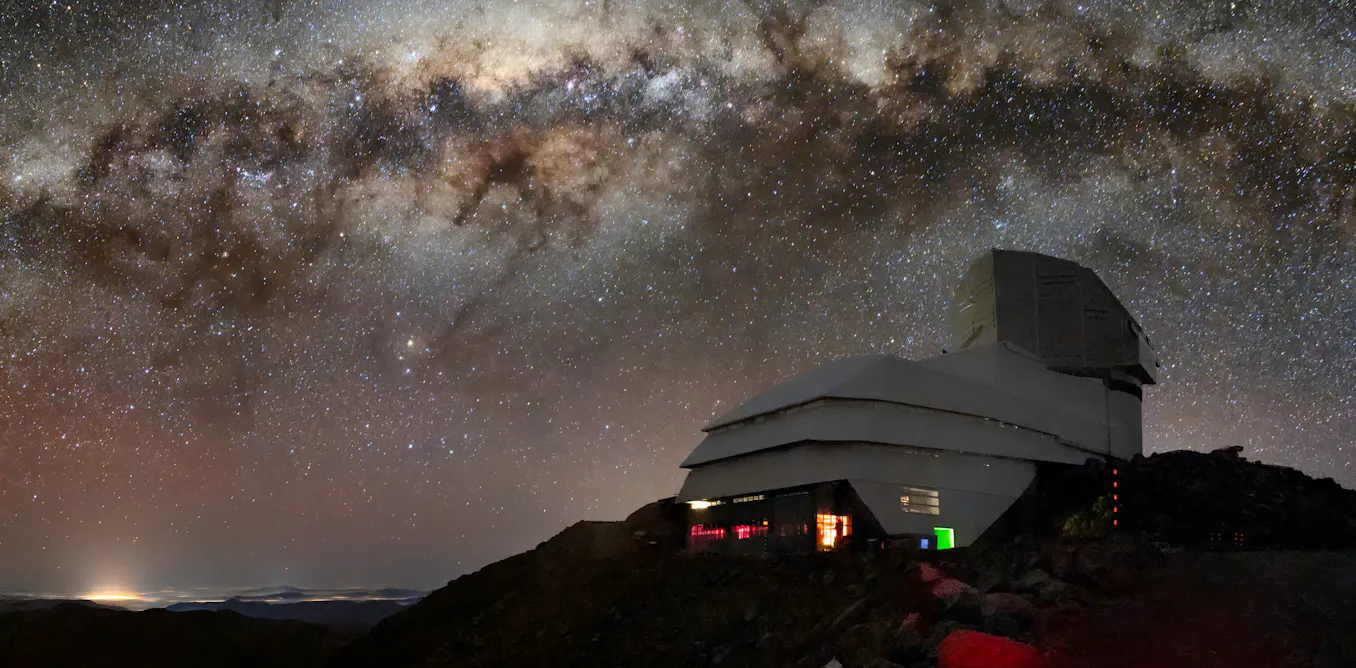
The Vera C. Rubin Observatory’s Legacy Survey of Space and Time (LSST) will run a ten-year survey of the southern sky, producing about 10 terabytes nightly and an expected 15 petabytes total. International teams and broker networks are deploying machine-learning pipelines to filter roughly 10 million nightly alerts, most false, so astronomers can prioritize follow-up observations and accelerate discovery.
Key Points
- 1Produces 10 terabytes of data nightly and an estimated 15 petabytes across the ten-year LSST
- 2Requires advanced machine learning to sift roughly 10 million alerts per night, most of them false
- 3Enables astronomers to prioritize follow-up observations and creates roles for developers and citizen scientists
Scoring Rationale
Broad, actionable survey implications drive score, limited by overview reporting rather than novel technical contributions.
Practice interview problems based on real data
1,625 SQL & Python problems across 15 industry datasets — the exact type of data you work with.
Try 250 free problems