RTX Spark N1x Forces ~$2,900 Minimum PC Price
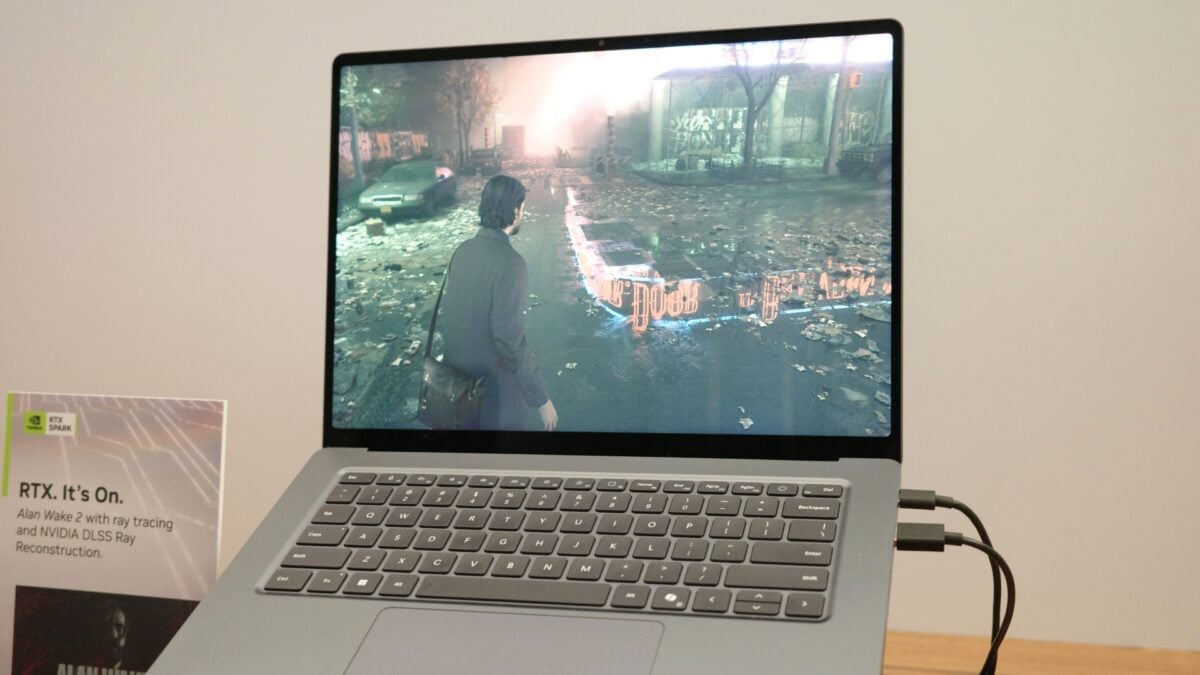
NVIDIA's upcoming RTX Spark Arm SoC for Windows PCs will reportedly carry steep entry prices, according to a Morgan Stanley analyst tabulation cited by Wccftech, VideoCardz and others. Systems built on the higher-end N1x variant reportedly cannot be priced below about $2,899, while N1-based systems would likely start at $1,799 or more. The leaked N1x specifications put it well into workstation territory: a 20-core Grace CPU paired with a Blackwell GPU featuring 6,144 CUDA cores and up to 1 PFLOP of FP4 AI performance, up to 128 GB of LPDDR5X unified memory, and about 600 GB/s of NVLink-C2C bandwidth, reportedly on TSMC's 3 nm node. At those prices, coverage notes RTX Spark is aimed at Apple's MacBook Pro rather than mainstream Windows laptops, with OEM designs such as a Surface Laptop Ultra and Dell XPS 16 tipped. The figures are unconfirmed analyst estimates, not official NVIDIA pricing.
What happened
A Morgan Stanley analyst tabulation, reported by Wccftech and VideoCardz and picked up across hardware outlets, indicates NVIDIA's RTX Spark Arm SoC will push end-device prices well above mainstream levels. According to the estimate, PCs and laptops built on the higher-end N1x variant cannot be priced below roughly $2,899, while systems using the lower N1 variant would likely start at $1,799 or more. These are analyst projections, not official NVIDIA or OEM price lists.
The hardware
The reported N1x configuration is workstation-class for a thin-and-light platform: a 20-core Grace CPU paired with a Blackwell GPU carrying 6,144 CUDA cores and up to 1 PFLOP of FP4 AI performance, up to 128 GB of LPDDR5X unified memory, and about 600 GB/s of NVLink-C2C bandwidth between CPU and GPU, reportedly built on TSMC's 3 nm node and supporting NVIDIA's CUDA, TensorRT and DLSS stack. High core counts, large unified memory and advanced packaging all raise bill-of-materials cost, which propagates to retail pricing.
Market positioning
Why it matters
What to watch
Editorial analysis
at these price points, RTX Spark is not competing with mainstream Windows laptops; coverage frames it as a direct challenge to Apple's MacBook Pro, which starts near $2,100 for an M5 Pro configuration. OEM designs such as a Surface Laptop Ultra and Dell XPS 16 have been tipped as early vehicles. The approach mirrors a broader industry pattern of pricing high-integration AI silicon as a premium, capability-led tier rather than a volume play.
for teams weighing on-device or near-edge inference, the reported floors imply a markedly higher capital cost per endpoint than conventional client GPUs or cloud-first deployments. Procurement will likely model total cost of ownership across device density, power budgets and amortized model throughput before committing to premium local hardware, especially while inference can often be served more cheaply from the cloud.
watch for official NVIDIA and OEM SKUs and pricing to confirm or revise the Morgan Stanley figures, performance-per-dollar benchmarks against discrete mobile GPUs and cloud instances, and the spread of memory and TDP tiers, which typically create multiple price points across an SoC family.
Key Points
- 1A Morgan Stanley estimate cited by Wccftech and VideoCardz pegs NVIDIA RTX Spark N1x systems at no less than about $2,899, with lower-end N1 systems starting around $1,799.
- 2Leaked N1x specs are workstation-class: 20-core Grace CPU, Blackwell GPU with 6,144 CUDA cores (up to 1 PFLOP FP4), up to 128 GB LPDDR5X unified memory, and about 600 GB/s NVLink-C2C, reportedly on TSMC 3 nm.
- 3At these prices RTX Spark targets the MacBook Pro tier, implying a high capital cost per endpoint for on-device AI; the figures are unconfirmed analyst estimates, not official pricing.
Scoring Rationale
A practitioner-relevant hardware-economics story: reported price floors for NVIDIA's RTX Spark edge-AI SoC directly affect on-device inference deployment costs, and the specs are workstation-class. It rests on a single analyst estimate of unconfirmed, pre-launch pricing rather than official figures or new research, which keeps it solid but below the notable tier.
Sources
Public references used for this report.
Practice interview problems based on real data
1,625 SQL & Python problems across 15 industry datasets — the exact type of data you work with.
Try 250 free problems