Rio Tinto builds AI assistant documenting Metpro system
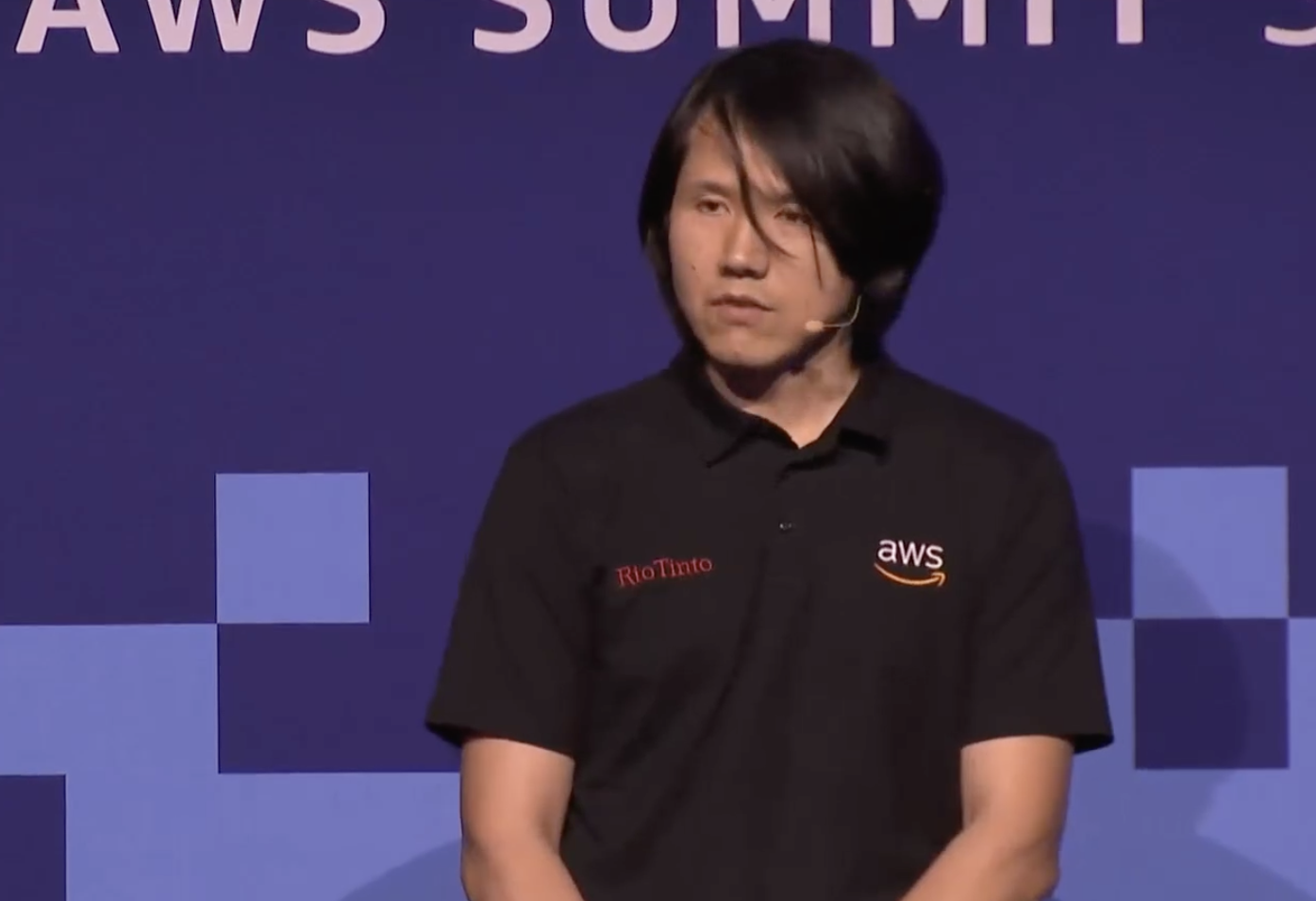
Rio Tinto has built an AI domain assistant to document the knowledge, dependencies and decision logic in a 30-year-old manufacturing execution system called Metpro used across its Australia and New Zealand aluminium operations, Ke Shi, data science senior advisor, told the AWS Summit Sydney. Ke Shi said Metpro's documentation had become fragmented across "thousands" of documents and that the system's highly coupled dependencies were not always documented, creating onboarding difficulty and change risk. Rio Tinto fed the Metpro code base and "business and operational context" into Amazon Bedrock Knowledge Bases and Amazon Bedrock AgentCore, and used Amazon SageMaker AI Jumpstart with Llama 3.1 8B as the initial inference model, per the presentation.
What happened
Rio Tinto built an AI domain assistant to capture and expose the embedded knowledge, dependencies and decision logic inside a 30-year-old manufacturing execution system, Metpro, which manages the aluminium product lifecycle for its Australia and New Zealand aluminium operations, Ke Shi, data science senior advisor, said at the AWS Summit Sydney. Ke Shi reported that Metpro's technical documentation had become fragmented across "thousands" of documents and that undocumented coupling meant small changes could have unexpected downstream impacts.
Technical details
Ke Shi said Rio Tinto created a "domain-aligned training dataset" by combining the Metpro code base with "business and operational context" and ingested that into Amazon Bedrock Knowledge Bases and Amazon Bedrock AgentCore. The team used Amazon SageMaker AI Jumpstart to evaluate foundation models and adopted Llama 3.1 8B as the initial inference model, according to the AWS Summit remarks.
Industry context
Editorial analysis
Companies integrating foundation models with operational technology often aim to centralise fragmented documentation and make system behaviour discoverable without replacing legacy platforms. Observed patterns in comparable deployments include the need to manage data lineage, guardrails for model outputs, and integration with change-management and safety workflows.
What to watch
For practitioners and observers
metrics on onboarding time, incident/change-related outages, versioning and audit trails for the assistant, and how the organisation vets and updates the training dataset and model choice over time.
Key Points
- 1Organisations use AI domain assistants to centralise fragmented MES documentation, improving discoverability and reducing knowledge silos.
- 2Combining code, operational context and foundation models (via Bedrock and SageMaker) accelerates building searchable system models but raises governance needs.
- 3Practitioners should prioritise auditability, dataset lineage and integration with change-management when adding AI overlays to legacy OT systems.
Scoring Rationale
This is a notable example of applying foundation models to industrial operations rather than a frontier model release. It matters to practitioners building AI overlays for legacy OT systems, but it is not a sector-wide paradigm shift.
Sources
Public references used for this report.
Practice with real Retail & eCommerce data
90 SQL & Python problems · 15 industry datasets
250 free problems · No credit card
See all Retail & eCommerce problems