Researchers Use AI to Identify Roman Gameboard
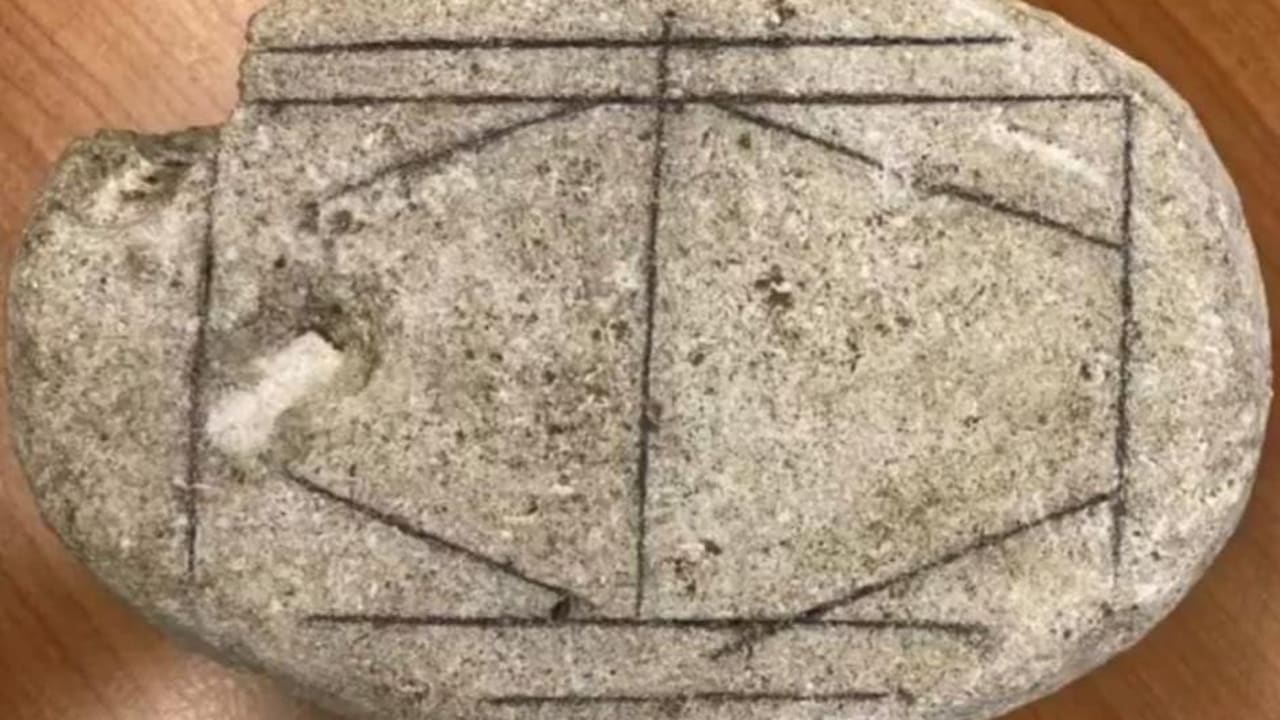
Researchers led by Walter Crist of Leiden University published a study in Antiquity reporting that an etched limestone slab from a Roman site in Heerlen, Netherlands, is likely an ancient blocking board game. They used Ludii AI to simulate gameplay across roughly 100 candidate rulesets and reproduced wear patterns, supporting a blocking-game hypothesis with asymmetric piece placement. The method enables reconstruction of playable rulesets from archaeological wear.
Key Points
- 1Simulated gameplay reproduces wear, indicating the etched limestone is a Roman-era blocking game.
- 2Used Ludii AI across ~100 candidate rulesets, narrowing matches to blocking games like Blokus.
- 3Enables archaeologists to reconstruct playable rulesets and detect ancient play from wear patterns.
Scoring Rationale
Novel AI-driven archaeological method with peer-reviewed validation; high relevance for archaeologists, but narrow applicability beyond game-related artifacts.
Practice interview problems based on real data
1,625 SQL & Python problems across 15 industry datasets — the exact type of data you work with.
Try 250 free problems