Researchers Propose Circular Space Economy Framework
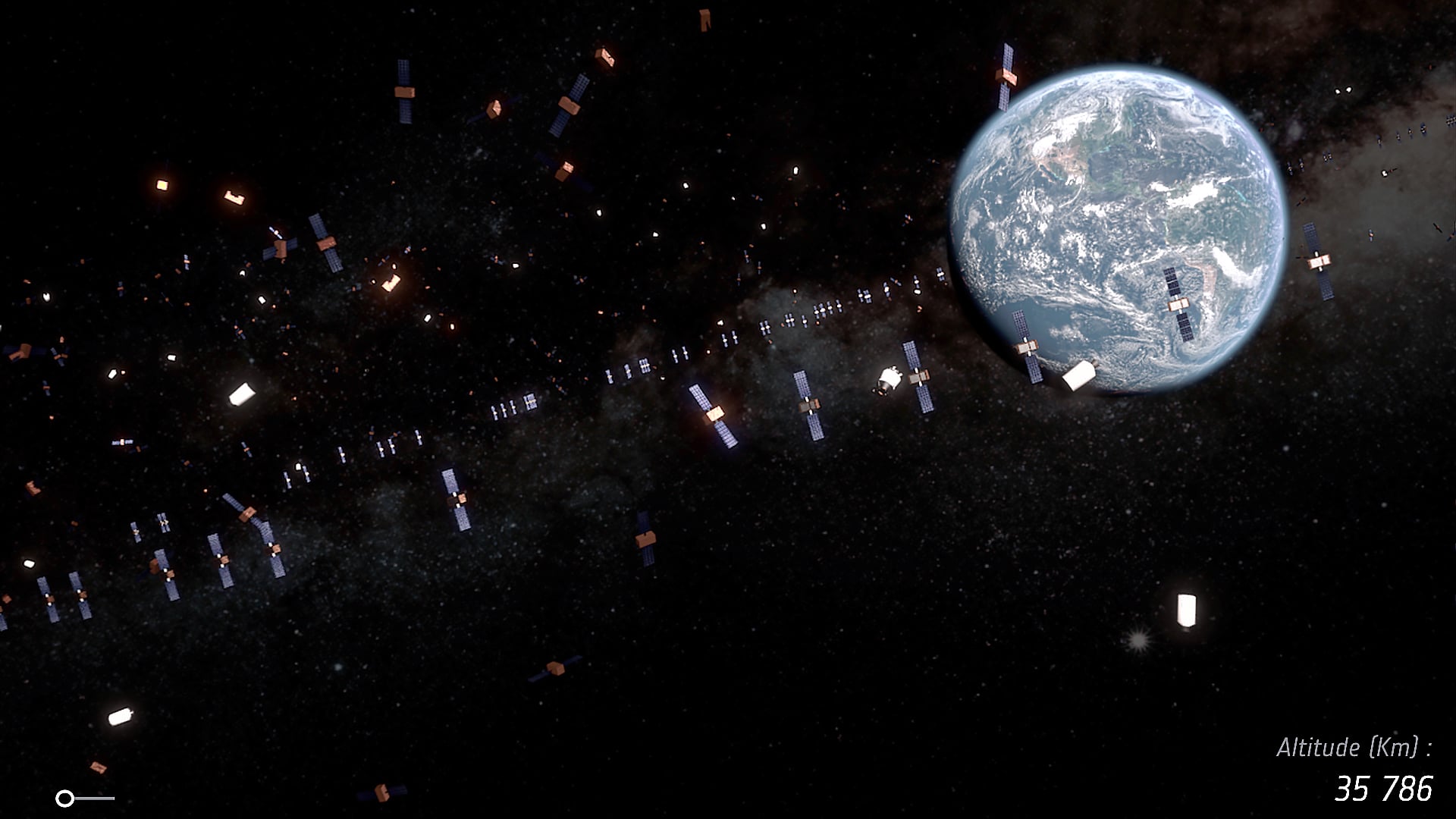
A University of Surrey-led team published a paper on Dec. 1 proposing a circular space economy to reduce waste across spacecraft lifecycles. The authors quantify the scale of the problem—7,070 launches since 1957 and roughly 15,100 metric tons of debris in LEO—and recommend refueling, repair, recycling, on-orbit manufacturing, and AI-enabled design to extend asset life and recover materials. Implications include reduced launches and new servicing infrastructures.
Key Points
- 1Quantifies orbital waste: 7,070 launches and about 15,100 metric tons of debris currently in LEO.
- 2Highlights risk: fragmentation-driven debris (65%) and decommissioned objects (30%) raise Kessler cascade concerns.
- 3Urges practitioners to adopt modular, refuelable spacecraft, orbital servicing, debris recovery, recycling, and AI design.
Scoring Rationale
Peer-reviewed, industry-wide proposals with actionable recommendations; modest novelty because it synthesizes existing concepts rather than presenting breakthroughs.
Sources
Public references used for this report.
Practice interview problems based on real data
1,625 SQL & Python problems across 15 industry datasets — the exact type of data you work with.
Try 250 free problems