
Researchers Find No Structural Navigation Link
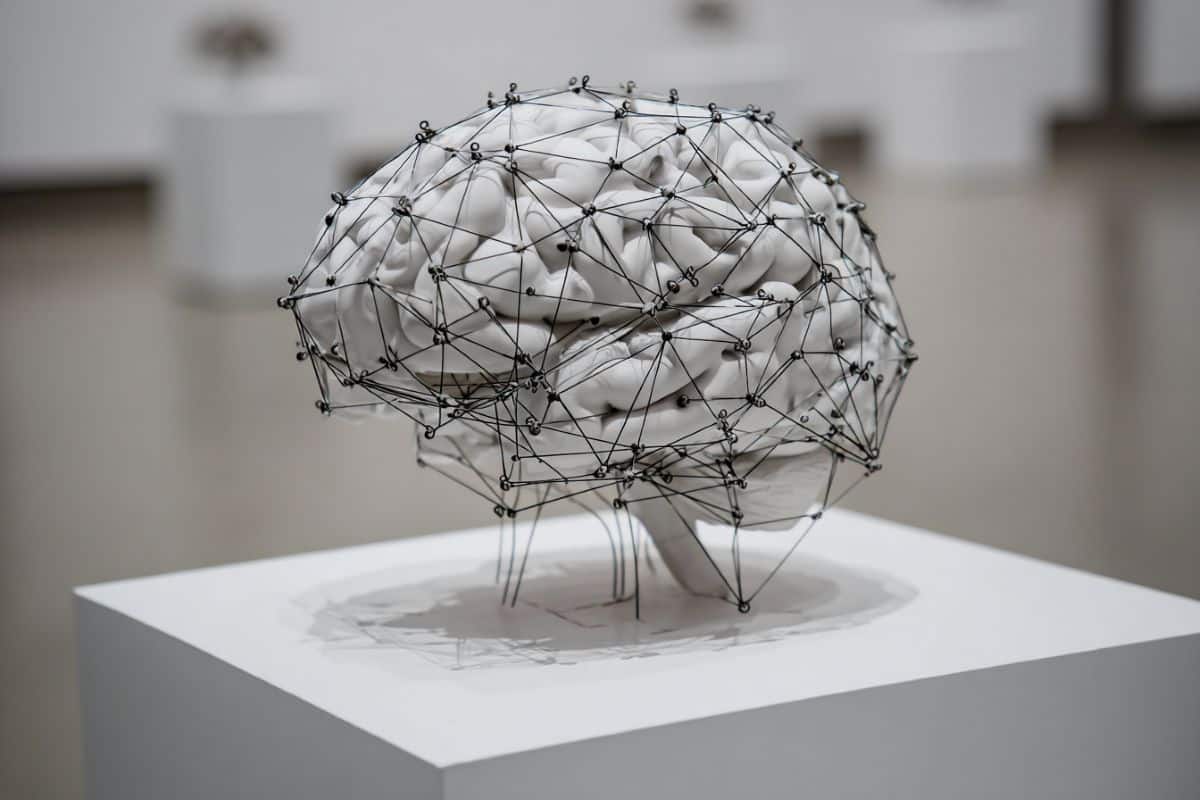
Researchers led by Steven Weisberg published in Neuropsychologia analyzed MRI scans from 90 healthy young adults (mean age 23.1) using deep-learning models (GCNN, 3D CNN) to predict spatial navigation ability measured in a virtual environment. Despite advanced convolutional neural networks, models failed to find a measurable relationship between macroscopic brain structure—including hippocampus and thalamus—and navigation performance. The result suggests functional connectivity may matter more than gross anatomy.
Key Points
- 1Apply deep-learning models to 90 MRI scans; find no structural navigation signal in young adults
- 2Challenge hippocampus-size hypothesis; hippocampus and thalamus show indistinguishable structural relevance
- 3Guide practitioners to focus on functional connectivity and larger, older cohorts for behavioral prediction
Scoring Rationale
Moderate novelty and high credibility from a peer-reviewed study, but limited by small, young-adult sample and narrow generalizability.
Practice interview problems based on real data
1,625 SQL & Python problems across 15 industry datasets — the exact type of data you work with.
Try 250 free problems


