Researchers Apply AI To Create Cellular Brain Maps
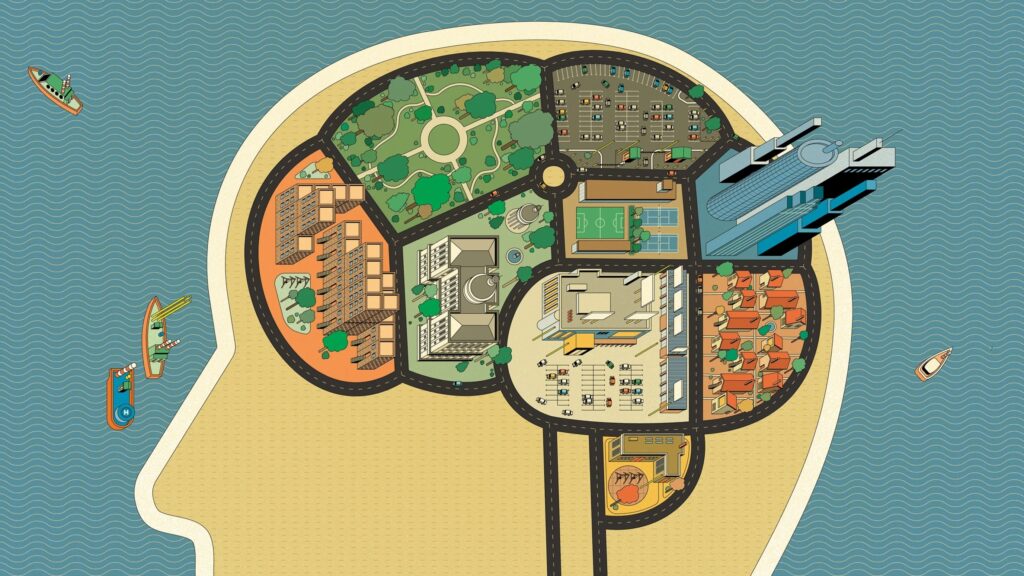
Tasic at the Allen Institute and collaborators recently enlisted artificial intelligence to sort large single-cell genetic datasets and produce higher-resolution brain maps. Using AI-driven clustering and classification, they aim to subdivide broad brain regions into distinct cellular neighborhoods that match gene-expression profiles. The approach addresses longstanding inconsistencies in anatomical maps and could streamline mapping from massive genomic datasets.
Key Points
- 1Use AI to sort single-cell gene-expression data into finer cellular neighborhoods
- 2Improve map resolution to resolve inconsistent regional assignments and subdivide heterogeneous brain regions
- 3Enable researchers to link cell types to functions and accelerate scalable, reproducible brain atlases
Scoring Rationale
Novel AI-driven brain-mapping addresses an important research gap; authoritative Allen Institute report but limited technical detail tempers impact.
Practice interview problems based on real data
1,625 SQL & Python problems across 15 industry datasets — the exact type of data you work with.
Try 250 free problems