Researchers and practitioners highlight how art training and AI interact to sharpen visual intelligence
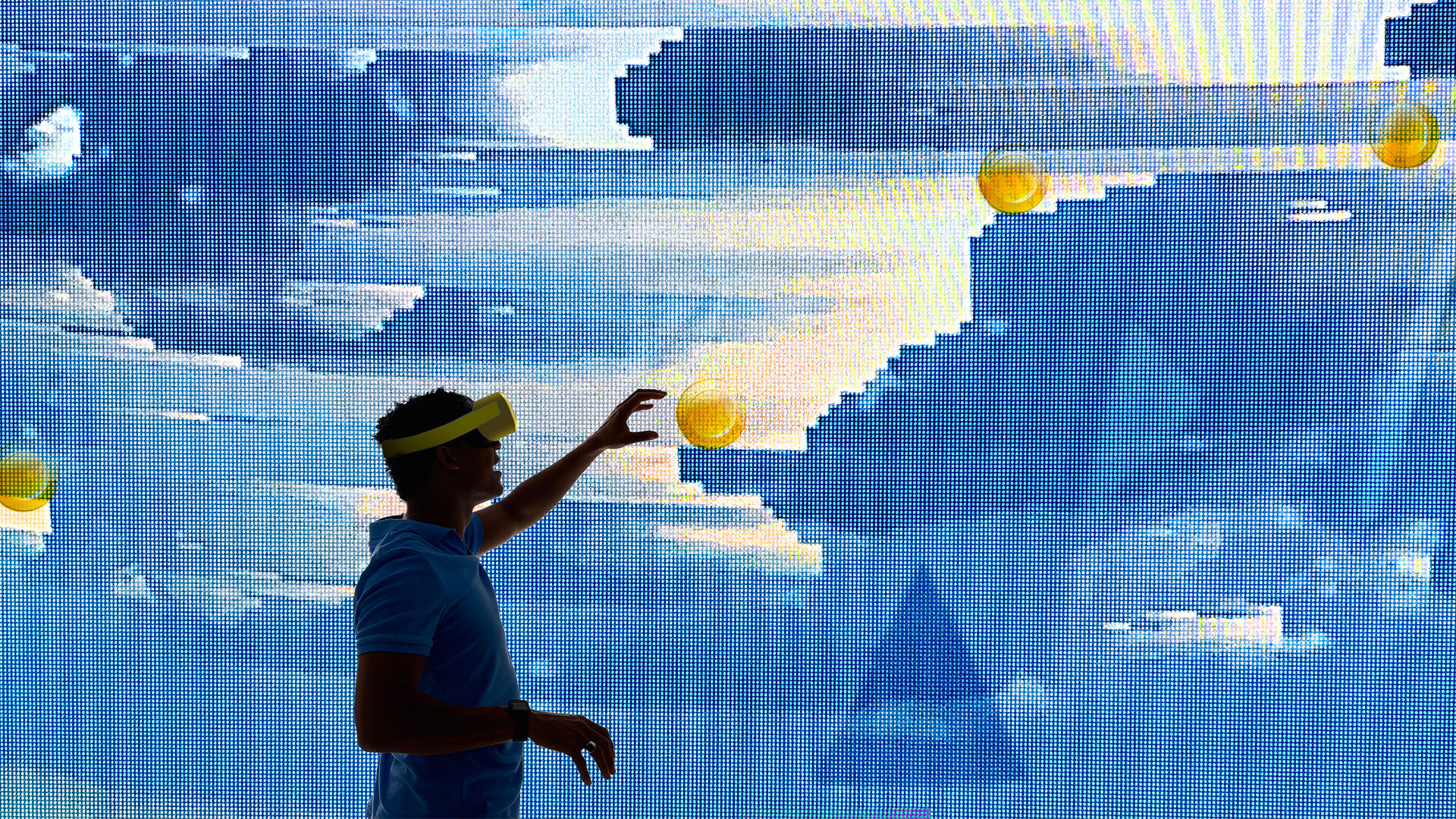
Researchers and practitioners argue that human "visual intelligence"—the skill to notice, interpret, and act on visual detail—remains essential alongside AI. Studies show art-based observation training improves diagnostic accuracy and empathy in medical students and yields transferable gains for engineers and designers. Experts note that modern computer-vision systems perform strongly on trained datasets but falter in uncontrolled, real-world conditions, creating risks from over-reliance. The article recommends integrating humanities-based observation drills with technical workflows to strengthen judgment and reduce costly errors.
Key Points
- 1Core technical detail: Computer-vision systems rely on neural networks trained on large datasets and excel at pattern detection but degrade under out-of-distribution, real-world conditions (lighting, weather, backgrounds).
- 2Business implication: Training humans in disciplined observation (e.g., art-based curricula) can cut costly mistakes, improve diagnostics and customer service, and should be paired with AI rather than replaced by it.
- 3Future impact: Blending strengthened human visual skills with more robust, in-the-wild computer vision will be critical for safer, more reliable applications across medicine, transportation, manufacturing, and security.
Sources
Public references used for this report.
Practice interview problems based on real data
1,625 SQL & Python problems across 15 industry datasets — the exact type of data you work with.
Try 250 free problems