Research Finds AI Training Gap Fuels Frontline Fear
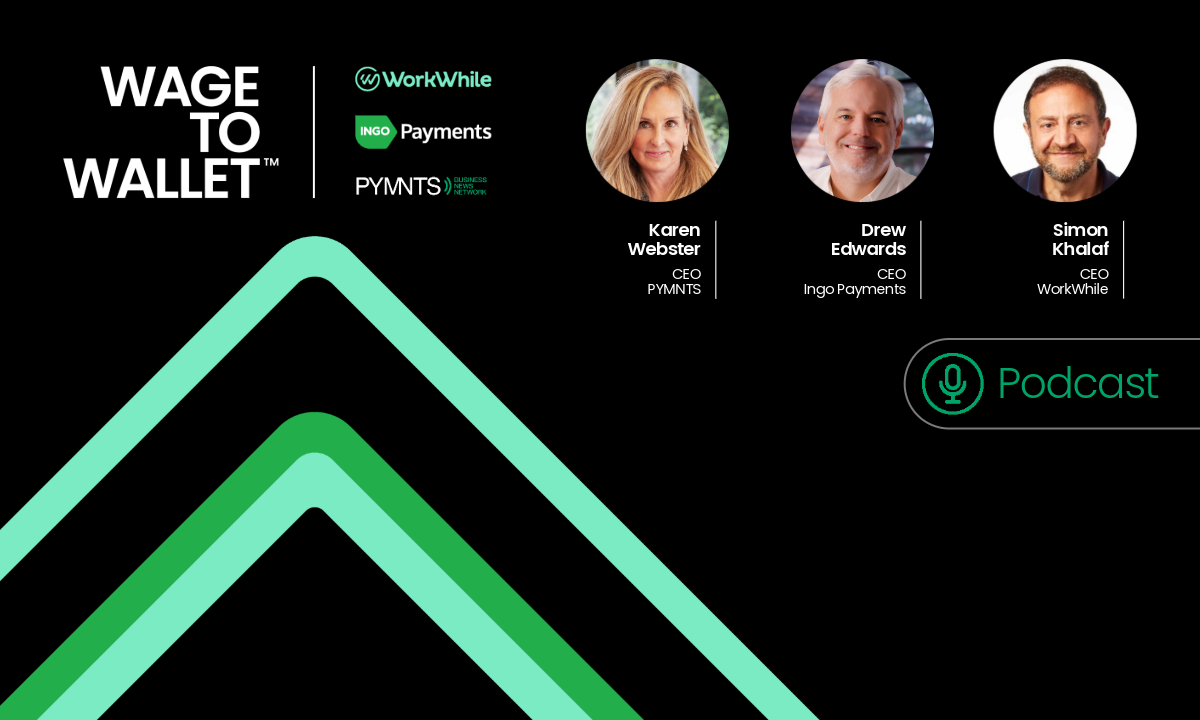
PYMNTS reports new research from PYMNTS, Ingo Payments and WorkWhile showing that frontline workers express greater anxiety about AI job displacement than knowledge workers. The study found nearly 40% of "Labor Economy" respondents said their employer has introduced AI, while 60% of those workers reported receiving no training on the new tools, per PYMNTS. PYMNTS also reports that Drew Edwards of Ingo Payments and Simon Khalaf of WorkWhile framed the core problem as a failure of communication and preparation rather than immediate mass layoffs. This is an adoption-and-training mismatch: workers with the most exposure to AI-driven process change often lack access to workplace training, which can amplify fear even where automation risk is uneven across occupations.
What happened
PYMNTS reports a joint study conducted with Ingo Payments and WorkWhile that found frontline, "Labor Economy" workers are more anxious about AI-driven job loss than knowledge workers. The survey results show nearly 40% of Labor Economy respondents said their employer has introduced AI, but 60% of those workers reported receiving no training on the new tools, according to PYMNTS. PYMNTS reports Drew Edwards of Ingo Payments and Simon Khalaf of WorkWhile characterized the central issue as a failure of communication and preparation rather than runaway layoffs.
Editorial analysis - technical context
Industry-pattern observations: Training gaps commonly slow practical AI adoption because tools that require human-machine handoffs depend on operator fluency. For many frontline roles, automation manifests as augmented workflows or decision-support interfaces rather than full task replacement, and lack of training raises error rates, reduces productivity gains, and increases perceived risk among workers.
Context and significance
What to watch
Editorial analysis
For practitioners and managers, the finding reframes "AI readiness" as a workforce capability problem as much as a model-accuracy problem. Organizations that deploy models into customer-facing or operational workflows need rollout plans that include user training, change communication, and monitoring of task outcomes to realize productivity benefits and reduce disruption.
Look for follow-up studies measuring post-training adoption, employer investment in upskilling, and correlations between training and measurable productivity or safety outcomes. Observers should also track whether industry trade groups, labor regulators, or large employers publish best-practice guidance on AI deployment that emphasizes workforce training.
Key Points
- 1Surveyed frontline workers report higher AI-job-anxiety despite lower objective automation exposure, highlighting a perception gap.
- 2Nearly 40% reported employers introduced AI, but 60% received no training, per PYMNTS, revealing a major skills-delivery shortfall.
- 3Industry-pattern observation: rollout without training often produces fear and user error, limiting realized productivity gains.
Scoring Rationale
The story highlights a widespread adoption-and-training gap that matters for deployment teams and managers but does not introduce new models or regulations. It is notable for operational practice and workforce planning.
Practice with real Ad Tech data
90 SQL & Python problems · 15 industry datasets
250 free problems · No credit card
See all Ad Tech problems