Raghav Chadha Seeks Court Protection Against AI Deepfakes
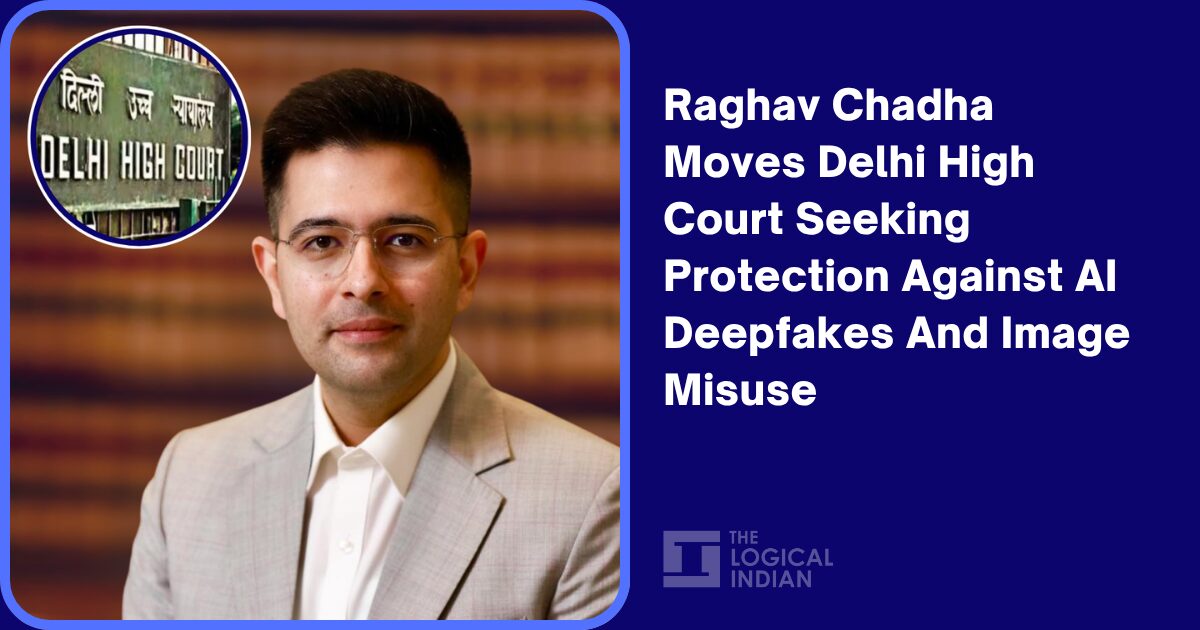
Rajya Sabha MP Raghav Chadha has moved the Delhi High Court seeking relief against alleged misuse of his image, voice and identity through AI-generated deepfakes, synthetic voice clones and other digitally manipulated content, according to reports from ANI, Republic and CNBC-TV18. The matter is listed for hearing before Justice Subramonium Prasad on May 21, and is listed for hearing on May 21, per AP7AM and CNBC-TV18. Chadha's petition requests directions to restrain creation, circulation and commercial exploitation of morphed visuals, fabricated speeches and related deceptive material and impleads unnamed defendants as John Doe parties, according to AP7AM and Republic. ANI notes the filing frames the issue as part of a broader wave of personality-rights suits in the Delhi High Court involving public figures and alleged AI impersonation.
What happened
Raghav Chadha, a Rajya Sabha MP, has approached the Delhi High Court seeking protection of his personality and publicity rights against alleged unauthorised use of his image, voice and identity via AI-generated deepfakes and related digitally manipulated content, according to reports by ANI, Republic and CNBC-TV18. Per AP7AM and CNBC-TV18, the petition is listed for a hearing before Justice Subramonium Prasad on May 21. Republic and AP7AM report that the plea seeks directions to restrain the creation, circulation and commercial exploitation of morphed videos, synthetic voice clones, fabricated speeches and other deceptive digital material. AP7AM also reports that unnamed defendants have been impleaded as John Doe parties in the suit.
Technical details
According to the media coverage (ANI, Republic), the petition specifically names types of alleged misuse including morphed visuals, synthetic voice cloning, and fabricated speeches attributed to Chadha. The filings reportedly ask the court for removal of offending material and injunctive relief against unauthorised use across social media and digital platforms, per AP7AM and Republic.
Context and significance
What to watch
Editorial analysis
Courts in India are increasingly seeing personality-rights litigation that explicitly references AI tools. ANI cites earlier Delhi High Court matters where public figures such as actors and politicians sought remedies against unauthorised voice and image use. Industry observers and legal analysts have treated these cases as part of a broader pattern where existing publicity and defamation doctrines are being adapted to address synthetic media.
For practitioners building or deploying generative systems, a rising number of litigation examples is relevant because they affect moderation expectations, takedown procedures and documentation practices. Public reporting shows litigants are seeking injunctions and removal, which increases operational pressure on platforms and content-distribution intermediaries to respond to verified legal orders.
Observers should track whether the court issues interim relief, the scope of any injunction (platform-level takedown versus targeted removal), and whether the judgment references technical standards for verifying synthetic media provenance or watermarking. Reporting (AP7AM, Republic) indicates the case will be heard on May 21, which is the immediate milestone for monitoring filings and orders.
Practitioners should also note how courts treat John Doe impleadments and requests for injunctive relief aimed at unidentified actors. Comparable cases documented in media coverage often prompt platforms to tighten complaint handling and escalate verification workflows, which has downstream effects on content moderation pipelines and forensics efforts.
Bottom line
The filings reported by ANI, Republic, CNBC-TV18 and AP7AM place this matter within a sequence of Indian court actions addressing synthetic-media misuse. The immediate legal outcome and any reasoning the court provides will be material for engineers and policy teams working on detection, provenance and evidence-preservation systems.
Key Points
- 1High-profile legal filings over AI deepfakes are increasing in India, driving platform takedown and verification demand.
- 2Courts are being asked for injunctive relief and John Doe impleadments, which affects moderation and evidence procedures.
- 3Practitioners should watch whether rulings reference technical provenance measures or set new obligations for platforms.
Scoring Rationale
The case is a notable legal development that fits into a growing set of personality-rights suits over synthetic media in India, with practical implications for content moderation, provenance and forensic workflows used by ML practitioners and platforms.
Sources
Public references used for this report.
Practice interview problems based on real data
1,625 SQL & Python problems across 15 industry datasets — the exact type of data you work with.
Try 250 free problems