Q'orianka Kilcher Sues James Cameron Over Neytiri Likeness
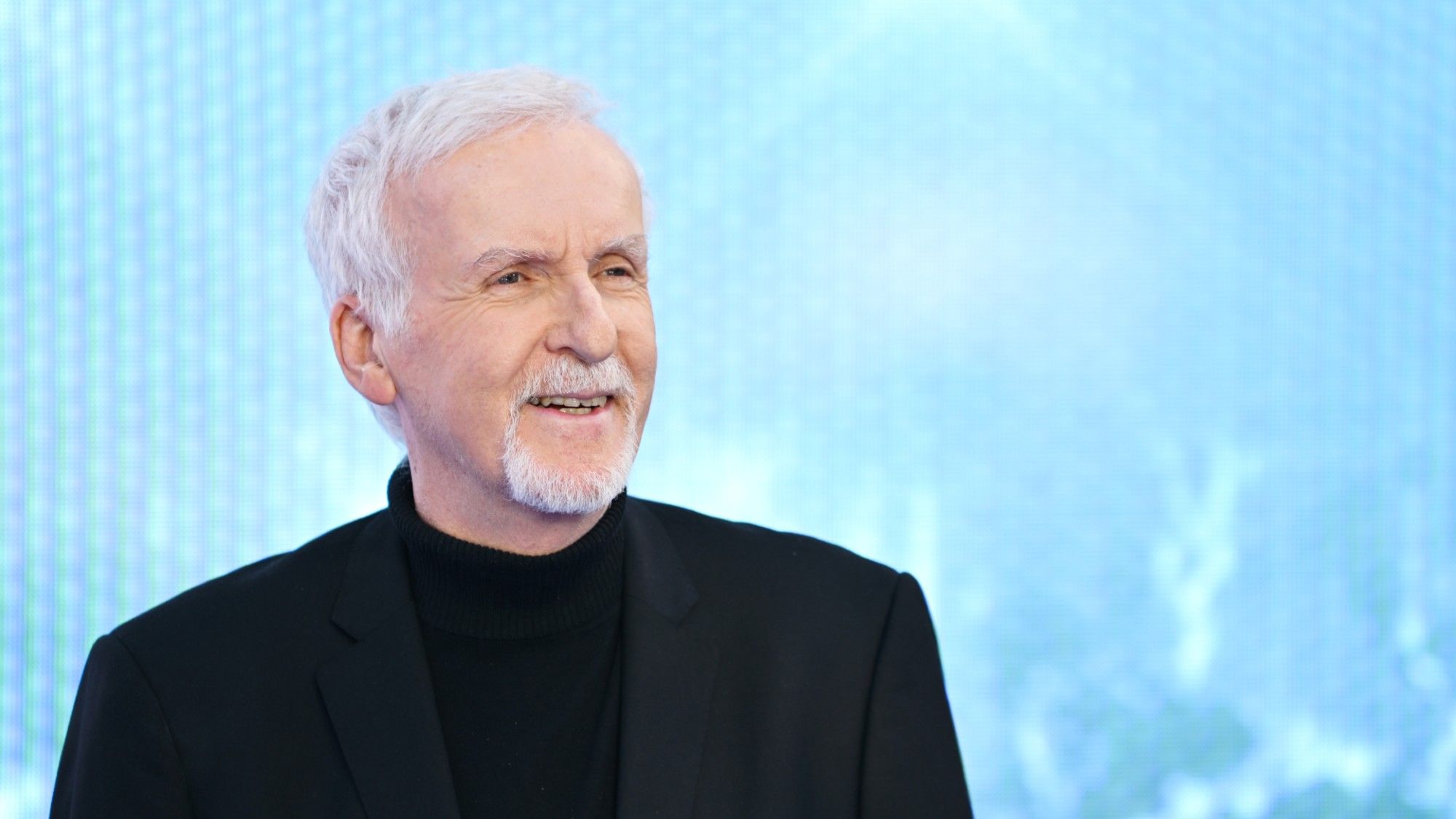
Actor Q'orianka Kilcher filed a federal lawsuit in California alleging that director James Cameron and co-defendants, including The Walt Disney Company, used her facial likeness without permission to design the character Neytiri in the "Avatar" franchise, Reuters and the Los Angeles Times report. The complaint, filed in the Central District of California, accuses Cameron of having "extracted, replicated, and commercially deployed her facial likeness" from a 2005 photo of Kilcher in Terrence Malick's The New World and describes use of production sketches, maquettes and high-resolution laser scans, according to reporting by The Week and BBC. Kilcher is seeking unspecified damages and a jury trial, per the LA Times. The suit raises broader questions about biometric likeness, digital scanning and copyright or publicity rights in an era of advanced visual effects and AI, several outlets note.
What happened
Q'orianka Kilcher filed a complaint this week in the United States District Court for the Central District of California alleging that director James Cameron, Lightstorm Entertainment, The Walt Disney Company and several visual-effects vendors used her facial likeness without permission to design the Neytiri character in the Avatar films, Reuters and the Los Angeles Times report. The complaint says Kilcher was 14 in 2005 when she appeared as Pocahontas in Terrence Malick's The New World, and that Cameron "extracted, replicated, and commercially deployed her facial likeness" for Neytiri, according to Reuters. The LA Times reports Kilcher is seeking an unspecified amount in damages and a jury trial.
Technical details
Per reporting in The Week and the BBC, the complaint alleges Kilcher's image was captured in production sketches, sculpted into maquettes, and "laser-scanned into high-resolution digital models," which were then distributed across multiple visual-effects vendors and used in promotional materials and merchandise. Reuters and BBC note the complaint frames those steps as part of an industrial design process that produced Neytiri's final appearance, the on-screen role played by Zoe Saldaña.
Editorial analysis - legal context
Editorial analysis - cultural and reputational stakes
Industry context
Public reporting places this case squarely in a growing field of litigation over biometric likeness, publicity rights and unauthorized digital reproduction, a trend that accelerated as studios adopted high-fidelity scanning and computer-generated characters. The New York Times and other outlets have framed similar suits as part of a broader debate over how traditional rights and consent doctrines apply when a human face becomes input to a digital production pipeline.
Several outlets, including the Guardian and BBC, highlight the complaint's cultural framing, noting that Kilcher is of indigenous Peruvian descent and that the suit alleges exploitation of her biometric identity and cultural heritage. Reporting emphasizes the tension between a film franchise that has public-facing themes about indigenous struggle and behind-the-scenes uses of real-world likenesses, which raises distinct reputational and equity considerations for studios and creators.
For practitioners
Data scientists, VFX engineers and ML practitioners working with face data should note that litigation over likeness and scanning workflows is increasing, according to news reporting. Even absent explicit statutory changes, reported disputes like this can affect acceptable-source documentation, consent practices, vendor contracts and risk assessments when projects use archived imagery, scans or image-to-3D pipelines.
What to watch
Observers should follow the court docket for initial motions and any published opinion addressing the scope of publicity or biometric-rights claims, reporting by Reuters and the LA Times notes. Also monitor whether the parties disclose technical exhibits showing the alleged scans and production notes, and whether guilds, legislators or industry bodies respond by updating guidance on consent for biometric capture and downstream digital reuse.
Key Points
- 1High-profile likeness suits now intersect with high-fidelity VFX workflows, increasing legal risk around scanned or repurposed face data.
- 2Reported allegations cite production sketches, maquettes and laser scans, highlighting points in the VFX pipeline where consent and provenance matter.
- 3Industry observers note that precedents from such cases could change documentation, vendor contracts and consent practices for datasets and facial assets.
Scoring Rationale
The story is notable for practitioners because it connects celebrity likeness litigation to high-fidelity VFX and digital-replication workflows. It is not a technical breakthrough but has meaningful legal and procedural implications for anyone handling face data or scanned assets.
Sources
Public references used for this report.
View 11 more sources
- Indigenous actor sues James Cameron for ‘stealing’ her facial features for Avatar charactertheguardian.com
- ‘Avatar’ Suit Focuses on Hot Topic in A.I. Age: A Character’s Facenytimes.com
- ‘Yellowstone’ Actress Q’orianka Kilcher Sues James Cameron and Disney Over Unauthorized Use of Likeness in ‘Avatar’hollywoodreporter.com
- James Cameron and Walt Disney Company Sued Over Unauthorized Use of Actress’ Likeness in ‘Avatar’variety.com
- Actor alleges James Cameron used her teenage face to create key 'Avatar' characternbcnews.com
- Actress Sues James Cameron and Disney for Stealing Her Likeness for ‘Avatar’ Characterrollingstone.com
- James Cameron, Disney Sued Over Alleged Use of Indigenous Actress’ Likeness in ‘Avatar’ Character Designthewrap.com
- Q'orianka Kilcher Alleges James Cameron Used Her Likeness in 'Avatar' Without Permissionpeople.com
- James Cameron, Disney Sued Over Unauthorised Use of Actress ...ign.com
- 'Yellowstone' star sues 'Avatar' director, saying he used her likeness ...pennlive.com
- Actor alleges James Cameron used her teenage face to create key ...aol.com
Practice interview problems based on real data
1,625 SQL & Python problems across 15 industry datasets — the exact type of data you work with.
Try 250 free problems