Researchprednetpredictive codingvisual illusionsneuroscience
PredNet Neural Network Reproduces Human Visual Illusions
7.1
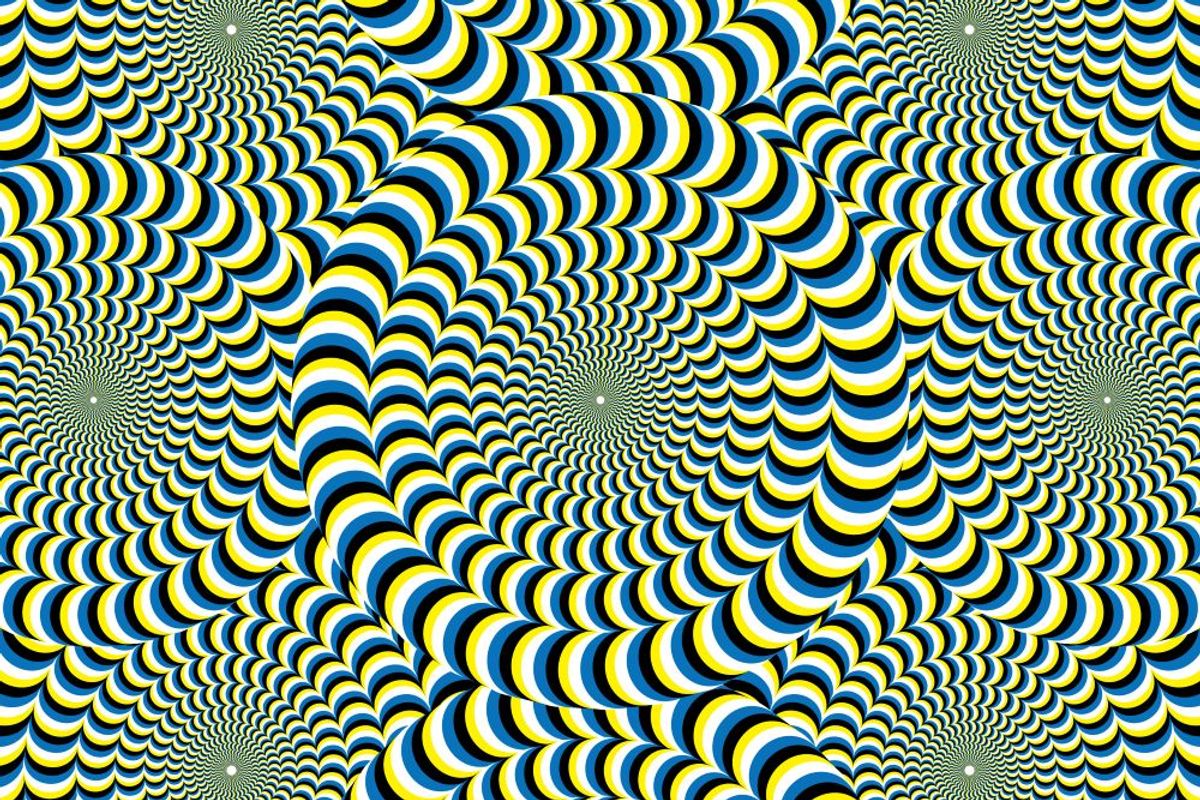
Eiji Watanabe and colleagues recently found that PredNet, a deep predictive neural network, reproduces the rotating snakes visual illusion, interpreting static concentric patterns as motion. Published in Frontiers in Psychology, the study supports predictive coding models of perception and suggests deep networks can both probe perceptual mechanisms and generate new illusions, offering a computational tool for neuroscience and vision science research.
Key Points
- 1Shows PredNet perceives illusory motion in the rotating snakes image, mirroring human perceptual errors
- 2Supports predictive coding theory: both brains and PredNet predict sensory input, producing similar misperceptions
- 3Enables use of deep networks to probe perception and generate new illusions for neuroscientific experiments
Scoring Rationale
Strong experimental evidence linking predictive models to human illusions, but limited scope and incremental novelty.
Practice interview problems based on real data
1,625 SQL & Python problems across 15 industry datasets — the exact type of data you work with.
Try 250 free problems