Pope Leo Apologises, Warns of AI Risks
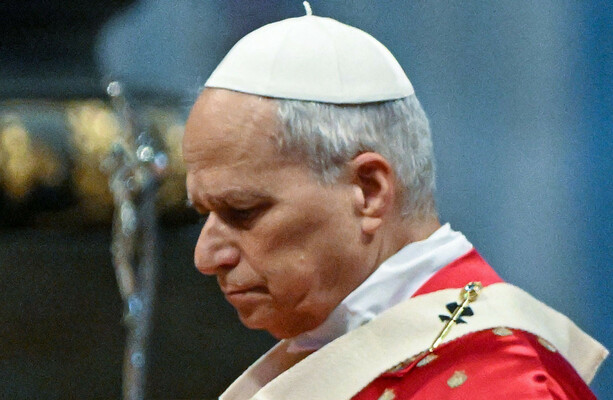
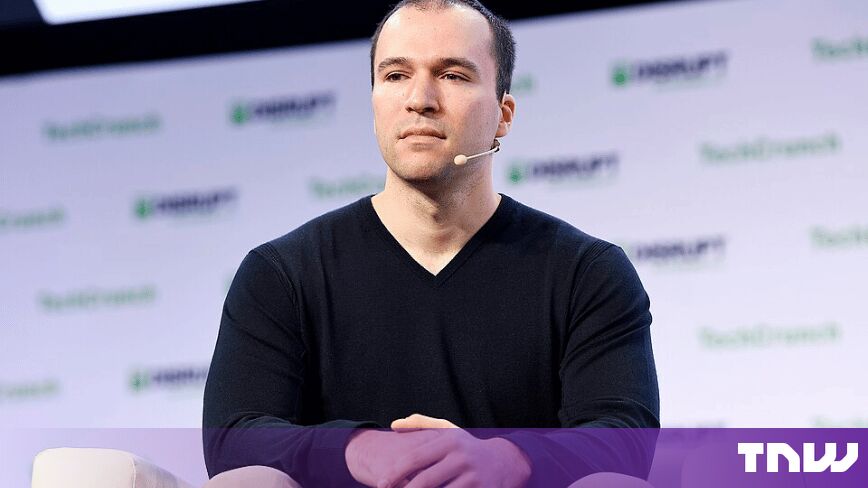
Pope Leo XIV released a major encyclical, "Magnifica humanitas," that links safeguards for human dignity to regulation of artificial intelligence. According to The New York Times, the letter runs roughly 42,300-word and was presented at the Vatican on May 25, 2026 alongside Christopher Olah, a co-founder of Anthropic. The document calls for government regulation of AI, worker protection and retraining, education on the technology, and strict limits on the use of AI in warfare, per reporting by The New York Times, The Associated Press and CNN. The Guardian and CNN report that the pope also apologised for the Church's delayed condemnation of slavery and warned of "new forms of slavery" emerging in the digital economy. Reporting emphasizes the encyclical's broad moral framing rather than specific policy prescriptions.
What happened
Pope Leo XIV published an encyclical titled "Magnifica humanitas", which several outlets describe as a sweeping moral manifesto on artificial intelligence and human dignity. According to The New York Times, the document runs approximately 42,300-word and was presented at the Vatican on May 25, 2026 in an event that included Christopher Olah, a co-founder of Anthropic (The New York Times; Associated Press). The encyclical urges "government regulation of the private companies that are driving the development of A.I.," and calls for protection and retraining for workers, education to foster critical thinking about the technology, and safeguards to keep humans responsible for decisions about weapons (The New York Times; AP; CNN). The Guardian and CNN report that the pope apologised for the Church's long delay in condemning slavery and warned of "new forms of slavery" linked to the digital economy (The Guardian; CNN).
Editorial analysis - technical context
Observers note that the encyclical places ethical demands on a broad set of actors, governments, corporations, educators and civic institutions, rather than on a single technical fix. Industry reporting highlights recurring policy themes: calls for regulatory frameworks, workforce reskilling, content safety for children, and explicit constraints on military uses of autonomous systems (The New York Times; AP; CNN). The document frames AI harms in moral and social terms that complement, and at times extend beyond, technical risk metrics such as model accuracy, robustness, or adversarial vulnerabilities.
Industry context
Encyclicals are a major papal instrument of moral teaching, and public coverage frames this letter as an attempt to shape the ethical vocabulary around AI among the church's 1.4 billion members and global opinion leaders (The Guardian). Reporting by The New York Times emphasizes the symbolic significance of presenting the encyclical alongside an industry figure, Christopher Olah, which commentators described as a gesture of dialogue between religious and technological communities. The document's explicit focus on warfare, inequality and the dignity of work brings moral arguments into public debates that have so far been dominated by technocrats, lawmakers and corporate executives (CNN; Washington Post).
What to watch
- •Legislative and regulatory responses in Europe and key national jurisdictions after the encyclical, especially where moral framing can complement technical risk arguments.
- •Statements or policy papers from major AI companies and research labs, including Anthropic, in reaction to the encyclical and its specific asks (AP; The New York Times).
- •Defense- and security-related policy shifts concerning autonomous weapons and human oversight, since the encyclical calls for the most "rigorous ethical constraints" on military AI use (The Guardian; CNN).
- •Initiatives around worker protection and retraining programs from governments and large employers, given the encyclical's emphasis on preserving social roles and livelihoods (The New York Times; AP).
Quotation highlights
The New York Times reports the encyclical includes the line, "the pursuit of greater profits cannot justify choices that systematically sacrifice jobs." CNN quotes the pope: "I feel entrusted to look upon another huge transformation with eyes of faith, with lucidity of reason, with openness to mystery and with cries of the poor and the earth resounding in my heart." These passages illustrate the document's blend of moral theology and concrete social concerns (The New York Times; CNN).
Editorial analysis
The pope's intervention reframes parts of the AI debate in moral and social terms that resonate beyond specialist forums. For practitioners, that widening of the debate increases the likelihood that regulatory and public-interest arguments will factor into procurement, governance and public communications, even where technical risk assessments remain central.
Key Points
- 1Papal encyclical 'Magnifica humanitas' connects AI policy to human dignity and social justice, amplifying moral arguments in public debates.
- 2The presentation alongside Anthropic co-founder Christopher Olah signals increased dialogue between tech leaders and moral authorities, raising reputational stakes for companies.
- 3Calls for regulation, worker retraining and limits on military AI shift attention from purely technical risk to broader social and ethical governance, influencing policy priorities.
Scoring Rationale
A papal encyclical of this scale elevates moral framing in the AI debate and can influence public opinion and policymakers. The story is notable for broad societal impact rather than technical novelty.
Sources
Public references used for this report.
Practice interview problems based on real data
1,625 SQL & Python problems across 15 industry datasets — the exact type of data you work with.
Try 250 free problems