Pope and Anthropic Co-founder Launch AI Encyclical
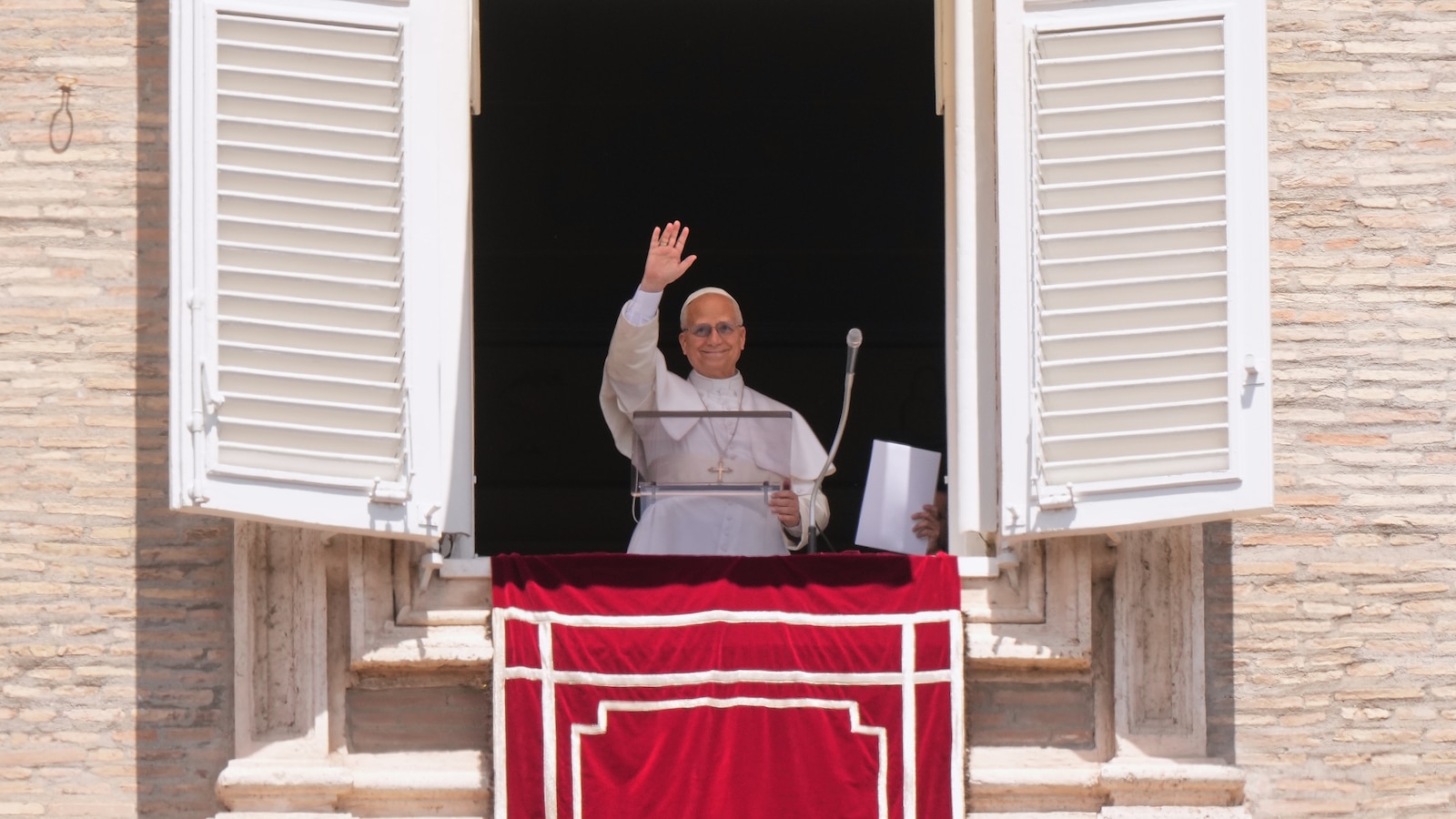
The Vatican will present the pontiff's first AI-focused encyclical, "Magnifica Humanitas (Magnificent Humanity)", on May 25, the Vatican said Monday, according to AP reporting. The document addresses care for human dignity in the era of artificial intelligence, and Pope Leo XIV signed it on May 15, AP reports. The Vatican named Cardinal Víctor Manuel Fernández and Cardinal Michael Czerny as primary presenters, with Anthropic co-founder Christopher Olah listed among lay speakers; Cardinal Pietro Parolin is scheduled to offer a conclusion and the pope will deliver remarks and a blessing, AP reports. AP frames Olah's presence as politically notable and links it to an ongoing dispute between Anthropic and the U.S. government over access to Anthropic's technology, which the article describes as a potential flashpoint.
What happened
Pope Leo XIV and Anthropic co-founder Christopher Olah will take part in the public launch of the pontiff's first encyclical on artificial intelligence, titled Magnifica Humanitas (Magnificent Humanity), on May 25, the Vatican said Monday, according to Associated Press reporting. The Vatican described the document as addressing the care of human dignity in the era of AI, and AP reports that Leo signed the encyclical on May 15. AP lists Cardinal Víctor Manuel Fernández and Cardinal Michael Czerny as the main presenters, names Olah among the lay speakers, and says Cardinal Pietro Parolin will offer a concluding statement while the pope will deliver remarks and a final blessing.
Editorial analysis - technical context
AP reporting highlights the involvement of an industry figure from Anthropic among theological and doctrinal presenters. Industry observers and media coverage frequently note that events combining senior religious leaders and prominent AI technologists tend to draw attention beyond faith communities, particularly when the technologist is tied to public regulatory disputes. For practitioners, such cross-sector forums often surface ethical framings that inform public debate, procurement discussions, and regulatory narratives rather than technical standards.
Editorial analysis - context and significance
AP frames Christopher Olah's presence as politically significant and links it to a reported dispute between Anthropic and the U.S. government over access to Anthropic's technology; AP characterizes that dispute as a potential flashpoint with the U.S. administration. Religious encyclicals historically influence moral and social discussion; in this instance, the Vatican is staging a high-profile public rollout in the main Vatican auditorium rather than the typical press-room briefing, AP reports. For policymakers and ethicists, a papal encyclical explicitly addressing AI could become a reference point in debates about human dignity, military use, and responsible deployment.
What to watch
Observers will watch how the encyclical frames specific harms and uses of AI, whether it addresses military applications, and how governments and industry react. Also watch subsequent public statements from Anthropic and U.S. agencies for any responses that reference the document. For practitioners, note that major ethical statements from influential institutions often appear in tender language but can nevertheless shape public expectations and regulatory momentum.
Reporting note
All event details above are reported by the Associated Press and attributed to the Vatican or AP coverage; the Vatican has not provided technical specifications or operational recommendations in the material cited by AP.
Key Points
- 1Papal encyclical 'Magnifica Humanitas' arrives May 25, framing AI around human dignity, per AP and the Vatican.
- 2Anthropic co-founder Christopher Olah will speak at the launch, bringing industry visibility to a faith-based ethical intervention.
- 3Editorial analysis: High-profile moral statements often shape public debate and regulatory discourse, even without technical prescriptions.
Scoring Rationale
A papal encyclical on AI is notable for policy and ethics conversations and may influence public debate and regulation. It is not a technical benchmark or model release, so its direct operational impact on practitioners is moderate.
Sources
Public references used for this report.
Practice interview problems based on real data
1,625 SQL & Python problems across 15 industry datasets — the exact type of data you work with.
Try 250 free problems