Podcast Explores Four Decades of Surgical Robotics
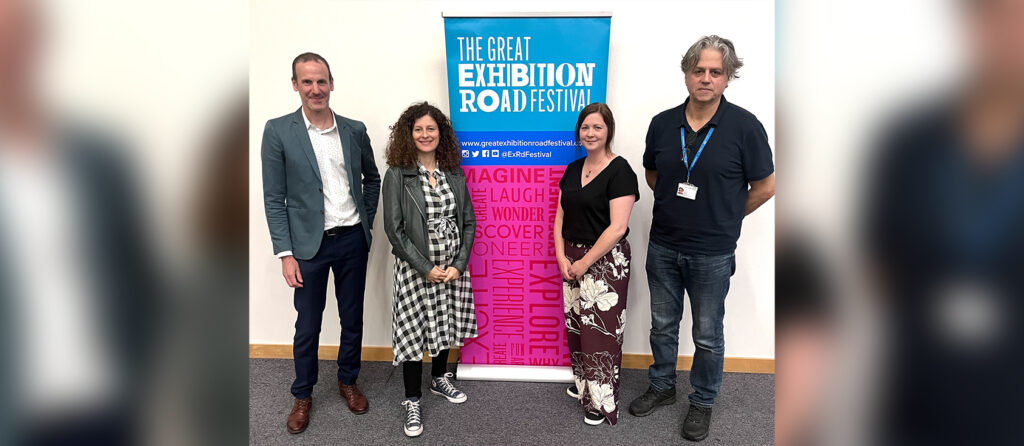
Robot Talk Episode 162 features a live panel recorded at the Great Exhibition Road Festival in London, with host Claire discussing over four decades of robot-assisted surgery with three leading UK academics. George Mylonas (Imperial College London), Antonia Tzemanaki (University of Bristol), and Tom Vercauteren (King's College London) trace how robotics, computer vision, and AI have reshaped medicine from early experiments to today's smart operating theatres. The episode addresses open questions: how to regulate medical AI systems that learn and evolve, what ethical frameworks are needed as tools grow more autonomous, and how to ensure equitable access to advanced surgical technology.
Episode Overview
Robot Talk Episode 162, "The robot doctor will see you now," is a live panel recorded at the Great Exhibition Road Festival in London, published June 26, 2026. Host Claire brings together three senior UK researchers to reflect on more than 40 years of robot-assisted surgery and the AI now reshaping operating theatres worldwide.
Guests and Research Areas
George Mylonas is Associate Professor in Robotics and Technology in Cancer at Imperial College London's Hamlyn Centre, leading research in surgical robotics, soft robotics, minimal access surgical technology, and data-driven operating theatres. Antonia Tzemanaki is Senior Lecturer in Robotics at the University of Bristol, where her Dexterous Manipulation and Wearable Robotics group builds robotic surgical simulators, needle-steering tools, and hand exoskeletons for surgery and rehabilitation. Tom Vercauteren is Professor of Interventional Image Computing at King's College London and co-founder of Hypervision Surgical, whose non-invasive optical imaging technology is now used in hundreds of hospitals worldwide.
Key Themes
The panel surveys the arc from the first robot-assisted surgical procedures over 40 years ago to current AI-enhanced systems supporting clinicians in diagnosis, surgery, and rehabilitation. Discussion centres on three open challenges: how regulators can oversee medical AI tools that continuously learn and adapt; what ethical frameworks govern increasingly autonomous surgical systems; and how to ensure equitable global access to advanced medical robotics beyond well-resourced institutions.
Why It Matters
For AI and ML practitioners working in healthcare and robotics, the episode offers a structured expert overview - from three active researchers whose work spans lab-to-clinic translation - of how machine learning and computer vision are advancing surgical robotics into mainstream clinical practice.
Key Points
- 1What: Live festival panel with three UK robotics professors surveys 40+ years of robot-assisted surgery advances in diagnosis, surgery, and rehabilitation.
- 2Why: AI and computer vision now enable smarter surgical tools, raising open questions about regulation, ethics, and equitable access to autonomous medical devices.
- 3So What: Active researchers from Imperial, Bristol, and KCL offer a rare expert overview of how ML research is translating directly into clinical surgical robotics.
Scoring Rationale
Live-recorded panel featuring three senior UK academics from Imperial College London, University of Bristol, and King's College London, covering 40+ years of AI and robotics in surgery. Well-sourced public engagement content from credible active researchers, but a podcast episode rather than primary research or a major announcement; relevant to AI/ML practitioners in healthcare robotics.
Sources
Public references used for this report.
Practice with real Health & Insurance data
90 SQL & Python problems · 15 industry datasets
250 free problems · No credit card
See all Health & Insurance problems