Pirelli Acquires Univrses Stake to Enhance Cyber Tyre
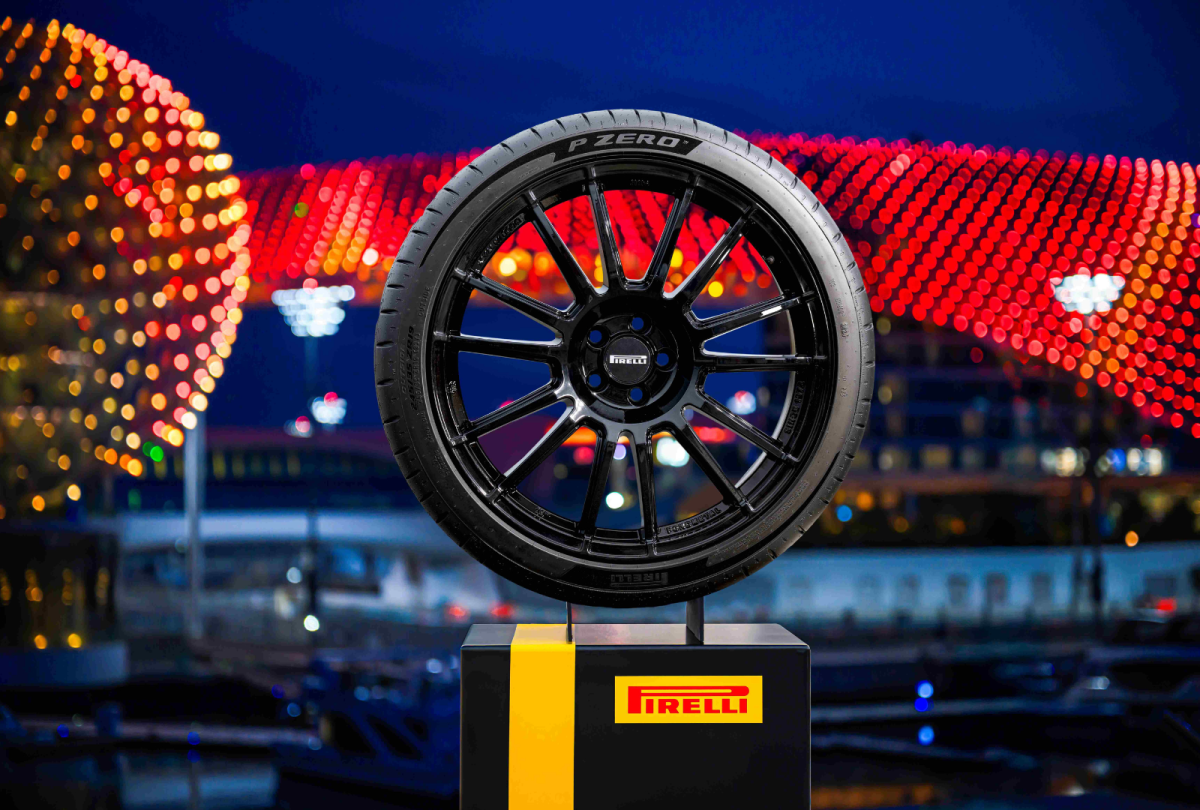
Pirelli has acquired a 30% stake in Stockholm-based computer-vision company Univrses, with an option to raise its holding to a majority, per Pirelli's April 29, 2026 press release. Univrses' 3DAI computer-vision and spatial deep-learning technology will be integrated into Pirelli's Cyber Tyre system, combining in-tyre sensor data with onboard-camera feeds to produce real-time road-condition intelligence for ADAS, autonomous-driving perception, and road-network monitoring. The companies point to an existing 2025 pilot with Italy's Puglia region as proof of concept, and Univrses already supplies similar road-monitoring analytics to Sweden's Trafikverket, England's National Highways, and the EU-backed ROMO project alongside Stellantis and Mercedes-Benz.
For practitioners building automotive or infrastructure-monitoring AI products, the more telling fact here isn't the deal size - it's what's already running in production: Univrses' road-monitoring analytics operate today with Sweden's Trafikverket, England's National Highways, and the EU-backed ROMO consortium alongside Stellantis and Mercedes-Benz, meaning Pirelli is buying into a proven sensor-fusion pipeline, not funding early-stage research.
What happened
Pirelli and Stockholm-based Univrses signed a partnership under which Pirelli acquired a 30% stake in Univrses, with an option to raise that to a majority holding, according to Pirelli's April 29, 2026 press release. Univrses' 3DAI computer-vision technology - which gives vehicles 3D positioning, 3D mapping, and spatial deep-learning perception - will be integrated into Pirelli's Cyber Tyre platform, described as the first system combining in-tyre sensors with onboard software that reports road-condition data to vehicle electronics and the cloud. Pirelli CEO Andrea Casaluci said the deal will help transform cars into "software-defined vehicles"; Univrses CEO Jonathan Selbie said the partnership will "deliver increasingly advanced services and products."
Technical context
The two companies already ran a joint pilot in 2025 with Italy's Puglia region, mapping regional road conditions by combining Cyber Tyre sensor data with Univrses' camera-based analytics. Beyond that pilot, Univrses' technology is independently deployed with Sweden's Trafikverket and England's National Highways, and the company recently joined the Netherlands' EU-backed ROMO ("Road Monitor") project alongside automotive suppliers Stellantis and Mercedes-Benz - evidence that the underlying sensor-fusion pipeline (tyre telemetry plus onboard-camera perception feeding a shared analytics layer) already runs at production scale for public road authorities, not just as a research pilot.
For practitioners
Teams building similar sensor-fusion or fleet-telemetry products should expect the integration work this kind of deal typically requires: timestamp and coordinate alignment between tyre-embedded sensors and camera frames, bandwidth-constrained edge preprocessing versus cloud inference, and calibration drift as sensor modalities vary across vehicle fleets and geographies. The ROMO precedent also points to a viable go-to-market path for road-condition AI: selling anonymized, aggregated vehicle data to government road authorities and OEMs rather than only to consumers.
What to watch
Whether Pirelli exercises its option to take majority control of Univrses; expansion of the Cyber Tyre/Univrses pipeline beyond Puglia to other regions; and whether either company publishes developer-facing data-access specifications for third-party ADAS or municipal customers.
Editorial analysis
The deal fits a broader industry pattern of component and hardware makers repositioning as data and analytics providers by pairing existing physical sensors with acquired computer-vision capability - a pattern also visible in other automotive-adjacent hardware categories, though this describes an industry trend rather than a claim about either company's strategy beyond what they have stated publicly.
Key Points
- 1Pirelli bought a 30% stake in Univrses, with an option to take majority control, to integrate 3DAI computer vision into Cyber Tyre.
- 2Univrses' road-monitoring analytics already run in production with Sweden's Trafikverket, England's National Highways, and the EU-backed ROMO project.
- 3Teams building similar sensor-fusion products should expect integration work on timestamp alignment, edge preprocessing, and cross-fleet calibration drift.
Scoring Rationale
A concrete, well-documented commercial sensor-fusion deal (verified via direct fetch of Pirelli's press release) with real practitioner relevance for automotive AI, edge-to-cloud pipelines, and road-infrastructure analytics; score nudged up slightly from 6.7 given confirmed evidence of existing production deployments with Sweden's Trafikverket, England's National Highways, and the EU-backed ROMO project, which shows the underlying technology is already validated at scale rather than an early pilot.
Sources
Public references used for this report.
View 4 more sources
- Agreement, investment to further Pirelli Cyber Tyre functionalitiestyrepress.com
- Pirelli invests in AI vision systems startup to expand cyber tire technologyeuropean-rubber-journal.com
- Pirelli acquires 30% of Swedish company Univrses and integrates its AI-based artificial vision systems into Cyber Tyrefirstonline.info
- Pirelli accelerates on smart cars: acquired 30% of Swedish Univrsesitalianfacts.com
Practice interview problems based on real data
1,625 SQL & Python problems across 15 industry datasets — the exact type of data you work with.
Try 250 free problems