
Photographs Reveal Enduring Racially Motivated Image Manipulation
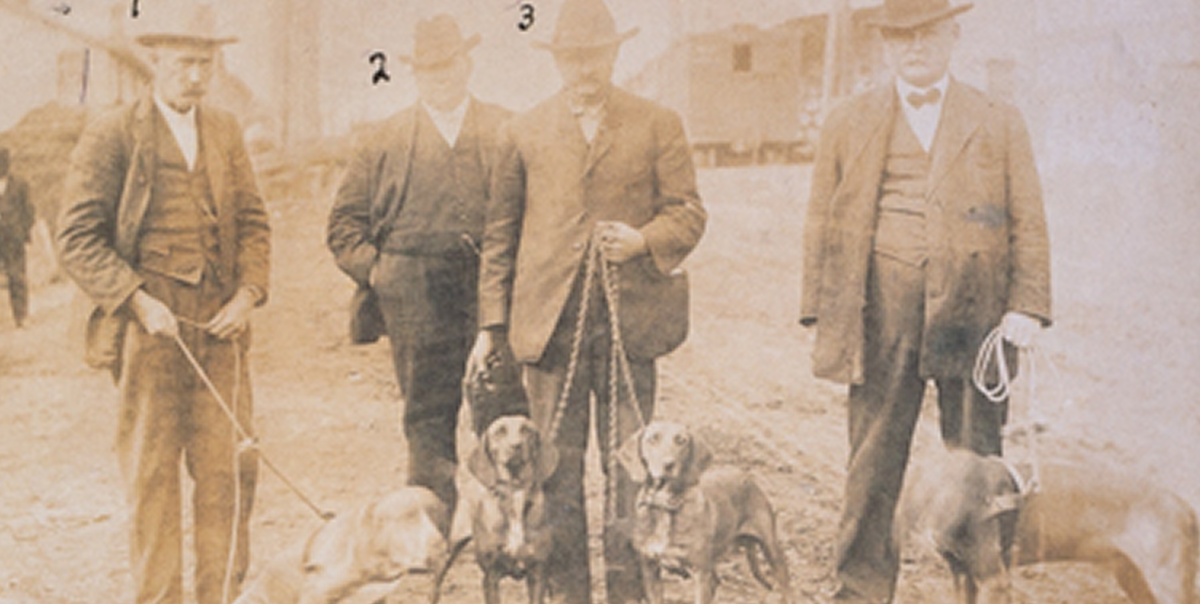
An essay reviewing the 2000 photo collection Without Sanctuary and contemporary image manipulation argues that lynching photographs documented historic racial terror while modern digital and AI-altered images continue to distort and dehumanize Black people. Citing Tuskegee Institute lynching records (4,743 victims, 1882–1968), the Ahmaud Arbery murder (2020), and recent government and social-media alterations, the piece warns visual media's credibility erosion threatens documentary truth and public memory.
Key Points
- 1Show documented lynching photographs exposing historic racial terror; Tuskegee lists 4,743 lynchings (1882–1968).
- 2Show that many lynching photos were created in celebration, not protest, reinforcing racist social systems and denial.
- 3Warn practitioners that AI and editorial alterations now erode visual evidence, necessitating ethical design and verification practices.
Scoring Rationale
High societal relevance and broad scope; limited novel methods and few concrete remediation steps constrain direct practitioner impact.
Practice interview problems based on real data
1,625 SQL & Python problems across 15 industry datasets — the exact type of data you work with.
Try 250 free problems
