Pentagon Reportedly Eyes Frontier Cyber-Capable AI Models
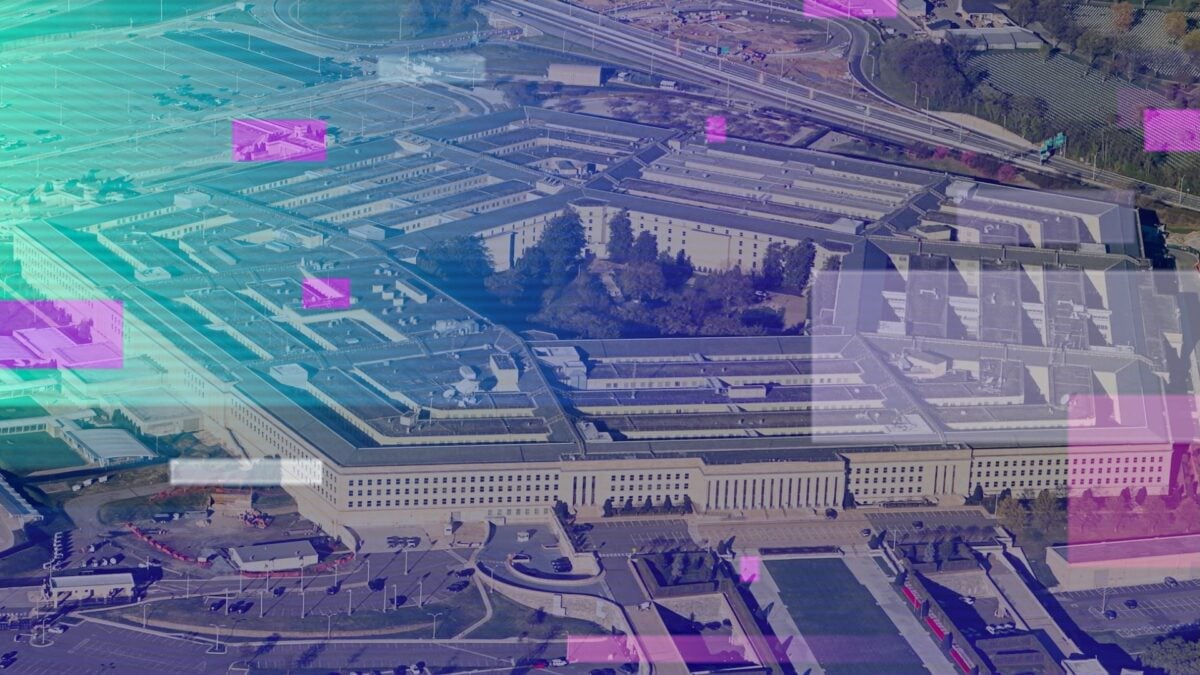
Politico reports, via a leaked email and two anonymous sources, that the Pentagon is forming a task force to evaluate adopting and weaponizing frontier cyber-capable AI models, including Anthropic's unreleased Claude Mythos Preview, according to Gizmodo. Gizmodo says the task force was announced earlier this month by Joshua Rudd, described in reporting as Cyber Command's leader and the director of the NSA, and involves both Cyber Command and the NSA. Gizmodo also reports that the Pentagon designated Anthropic a supply chain risk earlier this year, a designation that reporters say in theory bars Pentagon entities and contractors from using the company's technology. Details on scope, legal authority, and operational plans remain limited in the reporting.
What happened
Politico reports, via a leaked email and two anonymous sources, that the Pentagon is evaluating adoption and weaponization of frontier cyber-capable AI models, including Claude Mythos Preview, per Gizmodo. Gizmodo reports the initiative was announced earlier this month by Joshua Rudd, described in reporting as Cyber Command's leader and the director of the NSA, and that both Cyber Command and the NSA are involved. Gizmodo reports that the Pentagon designated Anthropic a supply chain risk earlier this year; reporting states that the designation in theory prohibits Pentagon entities and contractors from using Anthropic technology.
Technical details
Editorial analysis - technical context: Reporting identifies Claude Mythos Preview by name and characterizes it as a frontier model with capabilities that reporters describe as useful for vulnerability discovery and cyber operations. Industry-pattern observations: Models that can generate code, reason over system outputs, or synthesize exploit steps are the types of systems that raise dual-use concerns because they can accelerate both defensive research (red teaming, vulnerability scanning) and offensive workflows.
Context and significance
Editorial analysis: The combination of an active Pentagon task force and an existing supply-chain-risk designation highlights acute governance friction between operational cyber requirements and procurement or security rules. Industry-pattern observations: When governments attempt to reuse or repurpose commercial frontier models for classified or offensive uses, organizations and contractors commonly face legal, compliance, and isolation challenges that complicate integration and oversight.
What to watch
For practitioners: monitor whether the Pentagon or involved agencies publish an official statement, whether any waivers or exemptions for designated vendors are documented in public procurement records, how Anthropic responds publicly, and whether civilian contractors disclose involvement or recuse themselves. These indicators will clarify legal pathways and governance practices around dual-use model adoption.
Key Points
- 1Politico reporting, relayed by Gizmodo, says the Pentagon is evaluating frontier cyber-capable models, including Claude Mythos Preview.
- 2Anthropic was reportedly designated a Pentagon supply-chain risk earlier this year, a designation reporters say in theory restricts use.
- 3Industry-pattern observation: repurposing frontier models for cyber tasks creates acute governance and compliance trade-offs for agencies and contractors.
Scoring Rationale
This is a notable story for practitioners because it concerns government attempts to apply frontier models to cyber operations while existing supply-chain restrictions complicate procurement and governance. The combination of dual-use capability and regulatory tension has practical implications for security teams, contractors, and model governance.
Practice interview problems based on real data
1,625 SQL & Python problems across 15 industry datasets — the exact type of data you work with.
Try 250 free problems