Party Animals Studio Retracts AI Video Contest After Backlash
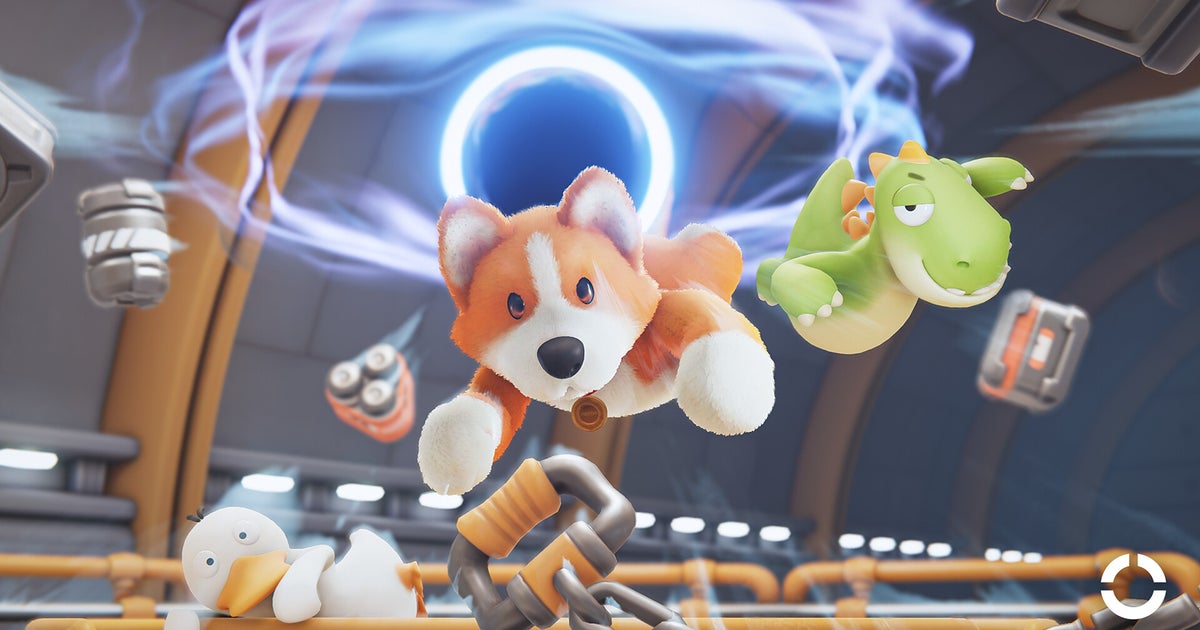
According to reporting from Polygon, Kotaku, PC Gamer and others, developer Recreate Games announced an AI-focused video contest on May 12 with a $75,000 prize pool that required entries to use generative AI as the "core creative tool." The announcement prompted heavy community backlash and review-bombing on Steam, with players criticising the competition's requirement alongside a rules clause banning plagiarism, a contradiction many commenters flagged (Kotaku, Polygon). Recreate posted a follow-up apologising for "upsetting players," writing in a social post, "We are not trying to dismiss handmade work or disrespect creators" and saying the original goal was to "lower the barrier to creation" (Polygon, PC Gamer). Reporting shows the studio has not definitively cancelled the contest and is running a community poll to decide next steps (PC Gamer, Eurogamer).
What happened
Recreate Games, developer of the party brawler Party Animals, announced an AI-focused video contest on May 12 that offered a $75,000 prize pool and stipulated that entries must use generative AI as the "core creative tool," according to Polygon and Kotaku. The contest post also included rules stating that "all submissions must be original works" and warned that "any plagiarism or unauthorized use of others' work will result in disqualification," a detail highlighted by Kotaku and Polygon as a point of irony given common concerns about AI training data provenance. Community reaction was strongly negative, with Steam reviews turning sharply critical and multiple outlets reporting review-bombing and social-media backlash (PC Gamer, PCGamesN, Kotaku). In a follow-up post on X, Recreate wrote, "We're sorry for upsetting players" and added, "We are not trying to dismiss handmade work or disrespect creators," while saying the studio's "original goal was to lower the barrier to creation," per Polygon and PC Gamer.
Editorial analysis - technical context
Industry observers have repeatedly noted that contests or promotions that mandate generative AI as the primary creative method collide with unresolved questions about training-data provenance and attribution. The requirement that AI be the "core creative tool" amplifies those tensions because it forces entrants and judges to confront what counts as "original" when many models are trained on scraped artwork. Comparable episodes in gaming and creative communities have produced swift reputational costs when organisers appeared to overlook these concerns (industry-pattern observations).
Industry context
Community trust is a fragile asset for live-service and community-driven games. Reporting across Polygon, Kotaku, Eurogamer, PC Gamer, and PCGamesN documents a pattern where developer moves perceived as endorsing generative AI-especially when tied to cash awards-trigger rapid, organized pushback. Observed patterns in similar transitions show that transparent communication, explicit attribution rules aligned to platform and model limitations, and engagement with creator communities reduce escalation; conversely, perceived tone-deafness often results in review-bombing and amplified negative coverage (Industry context:).
What to watch
Recreate's poll and any final decision on the contest's format or cancellation will be the immediate signals to monitor (PC Gamer, Eurogamer). Observers should track whether the studio amends rules around permitted tools, introduces attribution requirements, or narrows eligible AI usage. Separately, watch for similar contest announcements from other studios and their reception; repeated community pushbacks would indicate persistent friction between developer-sponsored AI initiatives and player-creators.
Practical takeaway for practitioners
For teams running community contests or tooling that touches creative labor, the episode underscores that contractual language, messaging, and expectations about originality and provenance matter as much as prize size. Industry-pattern observations: contests that require AI as a core tool tend to generate disproportionate scrutiny unless organisers pair the requirement with clear safeguards, attribution expectations, and direct engagement with affected creator communities.
Key Points
- 1Recreate Games' AI-only contest with a $75,000 prize triggered a strong community backlash and Steam review-bombing, per Polygon and Kotaku.
- 2Industry context: mandating generative AI as the "core creative tool" intensifies debate over originality and training-data provenance, increasing reputational risk for studios.
- 3For practitioners: transparent rules on attribution, provenance, and permissible model outputs reduce escalation when staging AI-driven creative contests.
Scoring Rationale
The story matters to developers and community managers because it shows real reputational risk when studios mandate generative AI in paid contests. It is a notable example of community pushback but not a sectoral inflection point, so it ranks as a notable, practitioner-relevant item.
Sources
Public references used for this report.
View 5 more sources
- Party Animals' $75,000 AI video contest is a slap in the face to its creative team, and I'm not surprised it's getting blasted on Steampcgamesn.com
- Studio behind hit co-op game apologizes after $75000 AI video ...gamesradar.com
- Party Animals dev apologizes for AI video contest, will leave its fate ...shacknews.com
- Party Animals studio sparks fury with 'AI video contest,' apologizes ...tech.yahoo.com
- Developers of Party Animals announce an AI video contest - game gets a review bombgamingonlinux.com
Practice interview problems based on real data
1,625 SQL & Python problems across 15 industry datasets — the exact type of data you work with.
Try 250 free problems