OpenClaw Enables Self-Hosted Autonomous AI Assistant
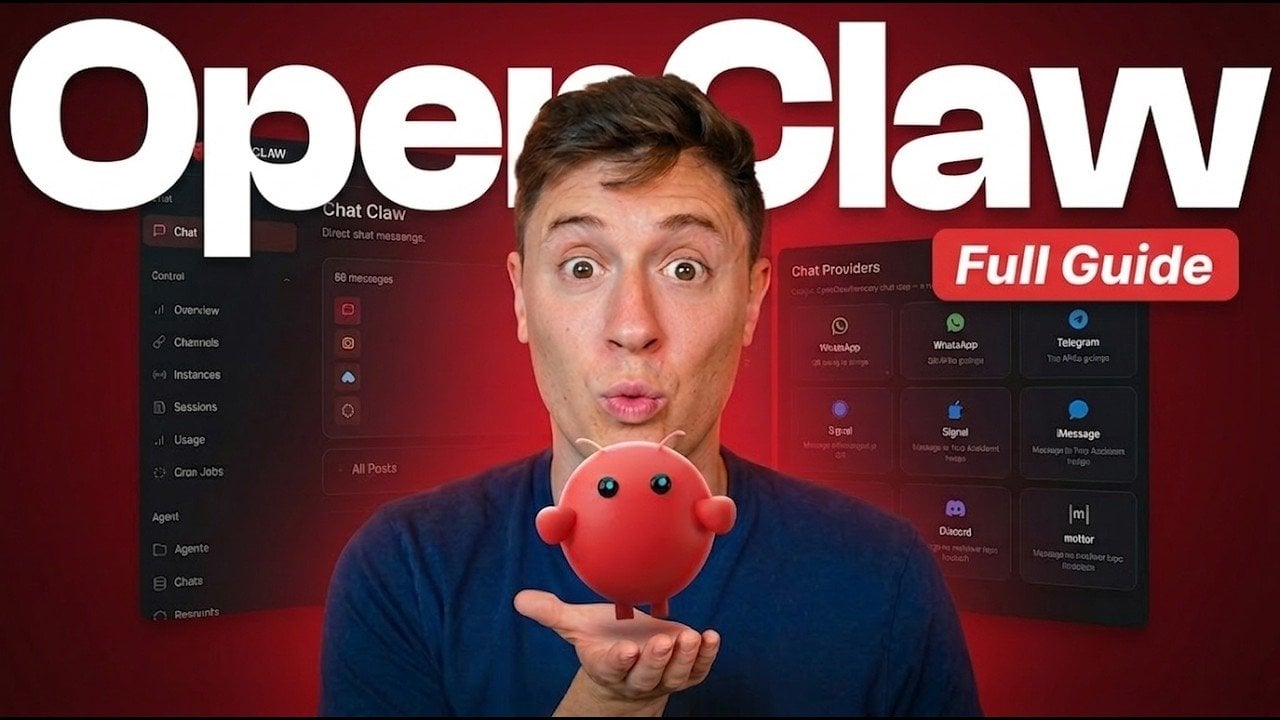
OpenClaw is an open source, self-hosted AI agent that runs as a long-running, autonomous assistant capable of email management, code work, device control, and multi-step workflows. The project prioritizes local hosting for privacy and performance, supports integrations with chat platforms like Telegram, Discord, and WhatsApp, and can use local model-serving engines such as Ollama or stacks like NVIDIA NemoClaw paired with Nemotron. Tutorials and reference deployments show options from single-user macOS installs to DGX Spark production setups, with recommendations for sandboxing, image hardening, and secure onboarding. Practitioners should pick hosting and model strategies based on threat model, latency, cost, and maintainability.
What happened
OpenClaw, an open source autonomous agent, provides a production-ready path to run a long-running personal AI assistant locally or on dedicated hardware. The project offers single-command installs (curl -fsSL https://openclaw.ai/install.sh | bash, npm i -g openclaw) and documented flows for onboarding via openclaw onboard while integrating with messaging platforms like Telegram, Discord, WhatsApp, and Slack. NVIDIA published a companion tutorial using NVIDIA NemoClaw and Nemotron to demonstrate a hardened, local deployment on DGX Spark, including lifecycle, image hardening, and a sandboxed model serving pipeline.
Technical details
OpenClaw is a gateway agent that coordinates tools, file access, and chat integrations while delegating actual language inference to a model-serving layer. Common stack choices in current guides include:
- •Ollama as a lightweight local model server for desktop or small servers
- •NVIDIA NemoClaw as a production orchestration layer for enterprise GPUs and Nemotron inference
- •Direct local hosting on macOS, Linux, or Windows with optional Dockerization
The NVIDIA tutorial details prerequisites: DGX Spark with Ubuntu 24.04 LTS, Docker engine with NVIDIA container runtime, and an initial model download of about 87 GB for the referenced Nemotron checkpoint. The OpenClaw repo and docs provide CLI install paths (pnpm run openclaw onboard), companion menubar apps for macOS, and example integrations for email, calendar, Spotify, Hue, Obsidian, and GitHub. Security guidance emphasizes running on personal devices or dedicated physical machines rather than generic VPS to reduce risk, plus recommended practices: image hardening, container isolation, capability-limited sandboxes, and strict API key management.
Context and significance
Autonomous agents are shifting from ephemeral LLM prompts to long-lived processes that read files, execute code, and call external APIs. OpenClaw sits in a growing ecosystem that includes orchestration reference stacks like NVIDIA NemoClaw, local model hosts such as Ollama, and community tooling on GitHub. The combination of an agent gateway plus pluggable local model servers addresses three practitioner concerns: data privacy by avoiding cloud inference, cost predictability by using on-prem or owned GPUs, and extensibility through integrations and open source code. This model fits use cases ranging from a solo developer automating repetitive tasks to teams running a private, always-on assistant in a controlled data center.
Why it matters for practitioners
Running an agent locally changes operational tradeoffs. You gain data control and lower per-inference cost at scale, but you take on model maintenance, OS and container security, and hardware provisioning. The NVIDIA reference is notable because it documents a repeatable pipeline for enterprise-grade hardware, including lifecycle management and image hardening, which raises the bar for production deployments. For smaller setups, the one-liner installs and Ollama integration make a practical path to experimentation without cloud vendor lock-in.
What to watch
Evaluate hosting by threat model and latency needs. For sensitive data or persistent automation, prefer dedicated hardware with sandboxing and image hardening. Track upstream changes in model sizes and local inference tooling that will affect disk, memory, and GPU requirements. Expect community templates for VPS and hosted quickstarts, but heed the security tradeoffs when moving off-device.
Practical next steps
Clone the openclaw/openclaw repo for examples, test a desktop install with openclaw onboard, and if moving to production, follow the NVIDIA NemoClaw blueprint to implement container hardening, model versioning, and access controls.
Key Points
- 1OpenClaw provides a pluggable agent gateway and supports local model serving to keep sensitive data on-premise and reduce inference costs.
- 2NVIDIA NemoClaw plus Nemotron documents an enterprise-grade path for secure, always-on local agents on DGX hardware with image hardening.
- 3Choose hosting by threat model: personal machines for privacy and simplicity, DGX or dedicated servers for scale and isolation; avoid generic VPS without hardening.
Scoring Rationale
This is a useful, practitioner-focused set of guides tying an open source agent to both lightweight local servers and an enterprise-grade NVIDIA stack. It matters for teams building private agents but is not a frontier model or major paradigm shift.
Sources
Public references used for this report.
View 6 more sources
- Build a More Secure, Always-On Local AI Agent with OpenClaw and NVIDIA NemoClawdeveloper.nvidia.com
- Self-Host OpenClaw on a VPS: Your Own AI Assistant (2026)danubedata.ro
- OpenClaw Personal AI Assistant: 2026 Guide - Enclave AIenclaveai.app
- OpenClaw VPS Hosting: Self-Hosted AI Assistant on Contabocontabo.com
- OpenClaw VPS Hosting | One-Click AI Assistant Setup - Hostingerhostinger.com
- openclaw/openclaw: Your own personal AI assistant. Any OS. Any Platform. The lobster way.github.com
Practice interview problems based on real data
1,625 SQL & Python problems across 15 industry datasets — the exact type of data you work with.
Try 250 free problems