OpenAI upgrades ChatGPT memory architecture for fresher personalized context
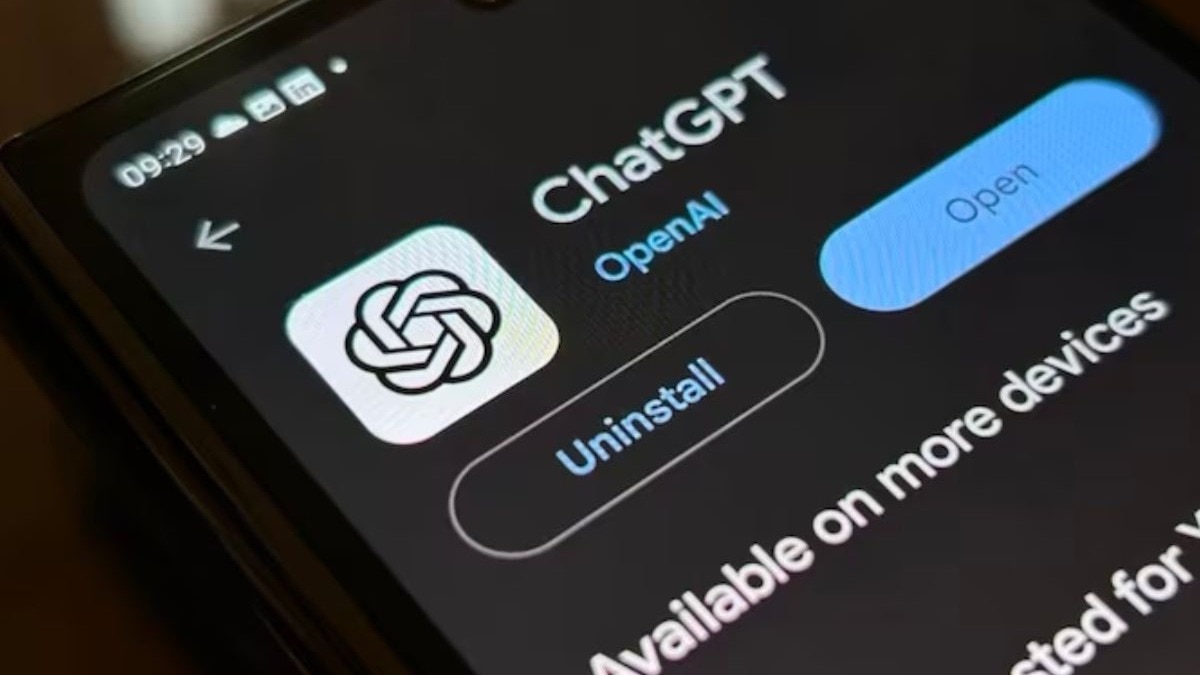
OpenAI is rolling out a rebuilt memory architecture for ChatGPT, which the company's evaluations label Dreaming V3, built on the background "dreaming" process OpenAI introduced in April 2025. Per OpenAI's June 4, 2026 blog post, the update is live for Plus and Pro users in the US today and will reach additional countries plus Free and Go users over the coming weeks. OpenAI says the system produces a readable memory summary users can view and edit, automatically revises time-sensitive memories (for example, updating "You are going to Singapore in July" to "You went to Singapore in July 2026" after the trip), and is more compute-efficient than before. OpenAI says recent work cut the compute needed to serve dreaming to Free users by roughly 5x and that Plus and Pro users get 2x more memory; users who prefer the older saved-memories behavior can switch back in settings.
What happened
OpenAI published a blog post, "Dreaming: Better memory for a more helpful ChatGPT," on June 4, 2026, announcing a rebuilt system for synthesizing ChatGPT memory. OpenAI says the update is available to Plus and Pro users in the US that day and will roll out to additional countries and to Free and Go users over the coming weeks. Independent coverage from Engadget and 9to5Mac corroborates the rollout and the first-time expansion to the free tier.
Key changes
OpenAI describes three user-facing changes: a readable memory summary page showing what ChatGPT has synthesized about you, controls to add or update remembered details, and settings for which topics ChatGPT should raise and when. OpenAI says memory now stays current as time passes, giving the example of revising "You are going to Singapore in July" to "You went to Singapore in July 2026" once the trip has ended. OpenAI frames its goals around three objectives it says it evaluates: carrying forward useful context, following stated preferences and constraints, and staying current over time. Per OpenAI, users who prefer the older saved-memories behavior can switch back in settings.
Background and scale
OpenAI says memory first launched in April 2024 as manually saved memories, and that in April 2025 it added dreaming, a background process that curates memories from chat history without explicit save requests. The company frames the new architecture, which its evaluations label Dreaming V3, as built on dreaming and aimed at the staleness, correctness, and scalability problems it observes "when memory is applied to the hundreds of millions of users and multi-year time horizons in ChatGPT." OpenAI says recent improvements reduced the compute required to serve dreaming to Free users by approximately 5x, which makes the free-tier rollout practical, and that Plus and Pro users get 2x more memory; 9to5Mac reports OpenAI is doubling the capacity for memory storage.
Industry context
For practitioners
Editorial analysis
operators of conversational assistants have converged on two complementary memory approaches, explicit user-written stores and background aggregation that synthesizes signals across sessions. Surfacing a user-visible summary with edit controls mirrors transparency-and-control patterns other platforms have adopted to balance personalization against user oversight, and it tends to raise familiar questions about versioning, deletion, and auditability of synthesized context.
teams integrating conversational assistants can expect a few generic patterns. Background synthesis benefits from timestamped provenance and monitoring for drift and staleness. Compute-efficiency gains usually shift cost between live serving and background aggregation, so both are worth instrumenting. User-visible summaries and edit controls change product-UX and compliance workflows, especially where regulated data or explicit consent is involved.
What to watch
OpenAI's post sets out the rollout and feature set but does not disclose low-level details such as model architectures, embedding methods, or retention policies; it points users to its Memory FAQ for controls. Watch for help-center release notes, screenshots of the memory-summary UX, any developer-facing controls that expose memory provenance, and whether the stated compute and capacity gains show up in published latency, cost, or capacity figures as enterprises adapt retention and audit practices.
Key Points
- 1OpenAI is rolling out a rebuilt ChatGPT memory system (its evals call it Dreaming V3) to US Plus and Pro users; Free and Go follow.
- 2It adds a readable, editable memory summary and auto-updates time-sensitive facts, targeting the staleness OpenAI flags across hundreds of millions of users.
- 3A roughly 5x compute cut lets dreaming reach the free tier at scale, signaling memory and personalization shifting from premium add-on toward baseline.
Scoring Rationale
A major consumer AI update: OpenAI is rebuilding ChatGPT's memory architecture and, for the first time, extending background dreaming memory to the free tier at scale after a roughly 5x compute reduction, while doubling memory for Plus and Pro. It meaningfully affects personalization workflows for hundreds of millions of users and the practitioners building on ChatGPT, but it is an incremental systems-and-UX advance rather than a frontier-model or paradigm shift. Verified against OpenAI's blog and independent reporting from Engadget and 9to5Mac.
Sources
Public references used for this report.
Practice interview problems based on real data
1,625 SQL & Python problems across 15 industry datasets — the exact type of data you work with.
Try 250 free problems